









What Is a Recessed Maxilla and How Does It Affect Your Face?
What is a recessed maxilla? Learn how upper jaw recession affects facial appearance, bite alignment and available treatment options.

- Last updated
- 13 reads
- 6 min read
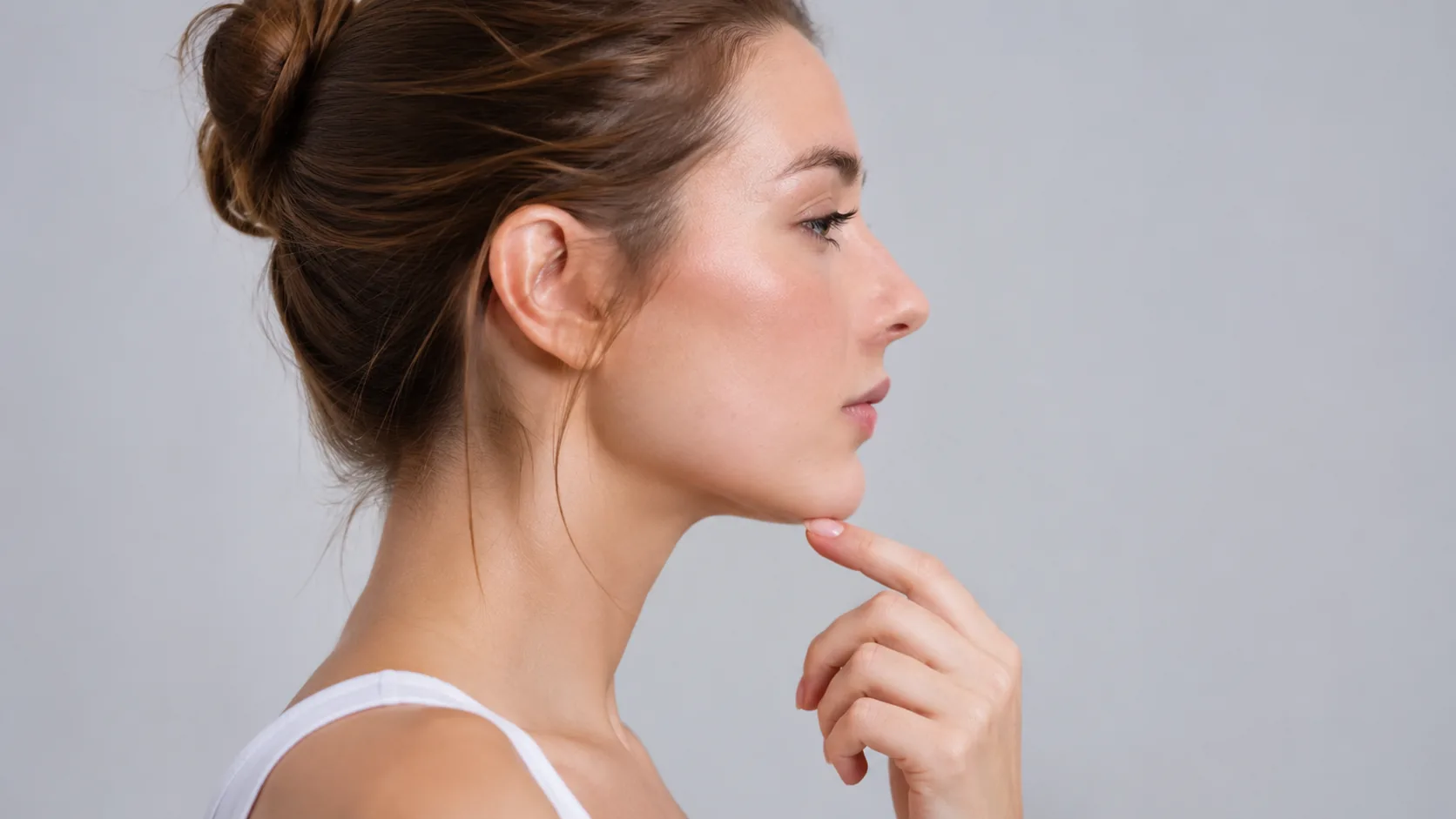


What Is a Recessed Maxilla and How Does It Affect Your Face?
Facial balance is not determined by the nose, lips or chin alone. The position of the upper jaw also plays an important role in how these features relate to one another. When the upper jaw sits further back than expected, it can influence both facial appearance and the way the teeth fit together.
What Is a Recessed Maxilla?
A recessed maxilla is a condition in which the upper jaw is positioned further back than expected in relation to the surrounding facial structures.
The maxilla forms a significant portion of the middle face. It supports the upper teeth, contributes to the structure of the nose and forms part of the floor of the eye sockets.
A recessed upper jaw may be associated with maxillary hypoplasia, a condition in which the upper jaw has not developed sufficiently. However, maxillary underdevelopment and backward positioning are not necessarily the same anatomical problem.
Depending on its severity, a recessed maxilla may affect facial proportions, dental alignment and oral function.
What Does a Recessed Maxilla Look Like?
The appearance of a recessed maxilla can vary considerably. Some people have subtle differences in their facial proportions, while others have a more noticeable skeletal imbalance.
Possible facial characteristics include:
-
A relatively flat or recessed midface
-
Reduced support beneath the nose
-
A less prominent upper lip
-
A lower jaw that appears more prominent
-
A concave facial profile
-
An underbite or anterior crossbite
Having one or more of these features does not necessarily mean that you have a recessed maxilla. Similar characteristics can result from other skeletal variations, dental alignment or differences in soft tissue.
How Does a Recessed Maxilla Affect Your Face?
Because the upper jaw provides structural support to several facial features, its position can influence the appearance of the entire face.
1. Midface Projection
An upper jaw positioned further back may make the middle portion of the face appear flatter or less projected, particularly when viewed from the side.
2. Nose Appearance
Reduced support around the base of the nose can make the nose appear more prominent in relation to the rest of the face.
In some cases, the perceived imbalance may be related to upper jaw positioning rather than the size of the nose itself.
3. Upper Lip Support
The maxilla and upper teeth provide support to the upper lip. Differences in their position may influence lip projection and the relationship between the upper and lower lips.
4. Chin and Jawline
A recessed upper jaw can make the lower jaw and chin appear more prominent, even when the lower jaw itself is not excessively developed.
This is why assessing the relationship between both jaws is important before considering isolated chin enhancement.
5. Overall Facial Profile
The relationship between the forehead, nose, lips and chin contributes to the overall facial profile. A recessed maxilla may create a more concave profile, although the extent of this effect varies.
What Causes a Recessed Maxilla?
Upper jaw recession can develop for several reasons, many of which are related to facial growth and skeletal development.
Potential causes include:
-
Genetic and inherited skeletal characteristics
-
Differences in upper jaw growth during childhood and adolescence
-
Craniofacial developmental conditions
-
Cleft lip and palate and associated growth disturbances
-
Previous facial trauma or surgery affecting jaw development
Mouth breathing and tongue posture are also frequently discussed in relation to facial development. However, the relationship is complex, and these factors should not be considered the sole cause of a recessed maxilla.
Can a Recessed Maxilla Cause Health Problems?
A recessed maxilla is not always a medical problem. Some people have mild skeletal differences without experiencing functional difficulties.
More significant upper jaw discrepancies may be associated with:
-
Difficulty biting or chewing certain foods
-
An underbite or crossbite
-
Uneven tooth wear
-
Speech difficulties in some cases
-
Problems achieving a stable dental bite
Upper jaw anatomy may also influence airway dimensions. However, breathing problems and sleep apnoea have multiple possible causes and cannot be diagnosed based on facial appearance alone.
Recessed Maxilla vs. Recessed Mandible: What Is the Difference?
Although both conditions involve jaw positioning, they affect different parts of the facial skeleton.
| Feature | Recessed Maxilla | Recessed Mandible |
|---|---|---|
| Affected area | Upper jaw | Lower jaw |
| Facial appearance | Relatively flat midface | Recessed lower facial profile |
| Chin appearance | May appear more prominent | May appear less prominent |
| Possible bite pattern | Underbite or crossbite | Increased overjet |
| Surgical correction | Maxillary advancement | Mandibular advancement |
Some patients have skeletal discrepancies involving both jaws. A comprehensive orthodontic assessment is necessary to identify which structures contribute to the imbalance.
How Do You Know If You Have a Recessed Maxilla?
Looking at your side profile in a photograph may help you notice differences in facial proportions, but it cannot provide a reliable diagnosis.
An orthodontist or oral and maxillofacial surgeon may assess:
-
Facial proportions and skeletal relationships
-
Upper and lower jaw positioning
-
Dental alignment and bite function
-
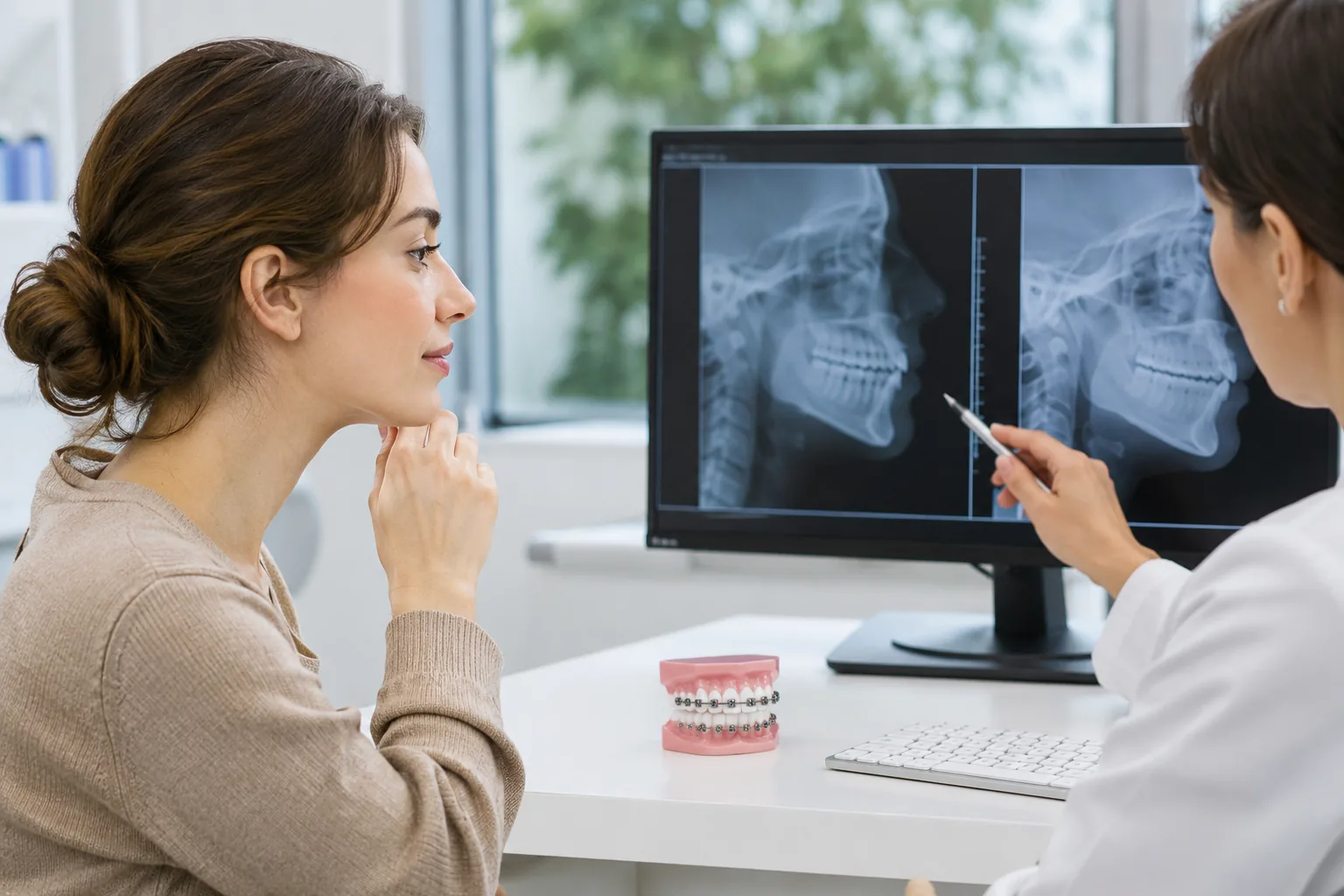
Cephalometric X-rays
-
Three-dimensional imaging when clinically indicated
These assessments help distinguish skeletal upper jaw recession from dental misalignment or other anatomical variations.
Can a Recessed Maxilla Be Fixed Without Surgery?
Treatment without surgery may be possible in selected cases, particularly when the skeletal discrepancy is mild or the patient is still growing.
Orthodontic treatment
Braces and clear aligners can improve dental alignment and compensate for certain mild skeletal discrepancies. However, they cannot substantially reposition a fully developed upper jaw.
Growth modification
In growing children, orthodontic appliances such as reverse-pull facemasks may help encourage forward movement of the upper jaw in selected cases.
The effectiveness of growth modification depends on skeletal maturity and the nature of the discrepancy.
Dermal fillers
Facial fillers may temporarily improve volume in certain areas of the midface. However, they do not correct the underlying jaw position, dental bite or skeletal relationship.
For adults with significant skeletal discrepancies, corrective jaw surgery may be considered.
What Surgery Corrects a Recessed Maxilla?
Le Fort I osteotomy is a commonly used orthognathic surgical technique for repositioning the upper jaw.
During the procedure, the surgeon mobilises the upper jaw and moves it into a planned position. Surgical plates and screws are generally used to stabilise the bone while it heals.
Depending on the relationship between the upper and lower jaws, patients may undergo upper jaw surgery alone or double jaw surgery.
Orthodontic treatment is frequently required before or after the operation to establish a functional and stable bite.
For more information about treatment expenses, explore our guide to orthognathic surgery costs around the world.
Patients requiring correction of both jaws can also read our double jaw surgery cost guide.
Does Mewing Fix a Recessed Maxilla?
Mewing, a practice involving deliberate tongue positioning against the roof of the mouth, has become increasingly popular on social media.
However, there is no convincing clinical evidence that mewing can substantially move a fully developed upper jaw forward or correct significant maxillary recession in adults.
While normal tongue function is important for oral health, online facial exercises should not be considered a substitute for orthodontic or surgical treatment when a skeletal discrepancy is present.
Can a Recessed Maxilla Get Worse With Age?
In adults, a recessed maxilla does not necessarily become progressively more recessed simply because of ageing.
However, changes in facial fat, skin elasticity, bone structure and dental health may make existing skeletal differences more noticeable over time.
In children and adolescents, the relationship between the upper and lower jaws may change as facial growth continues. Early orthodontic assessment can help identify developing skeletal discrepancies and determine whether intervention is appropriate.
Does Everyone With a Recessed Maxilla Need Treatment?
Not necessarily. Facial anatomy varies naturally, and a less projected midface does not automatically indicate a condition requiring treatment.
The decision to pursue orthodontic or surgical correction should consider bite function, skeletal development, oral health and individual concerns rather than online beauty standards alone.
If you are concerned about your upper jaw position or dental alignment, you can explore orthodontic specialists and clinics on MediFinder to learn more about available treatment options and seek professional guidance.
- Last updated
- Language
- English
How did you find this article?
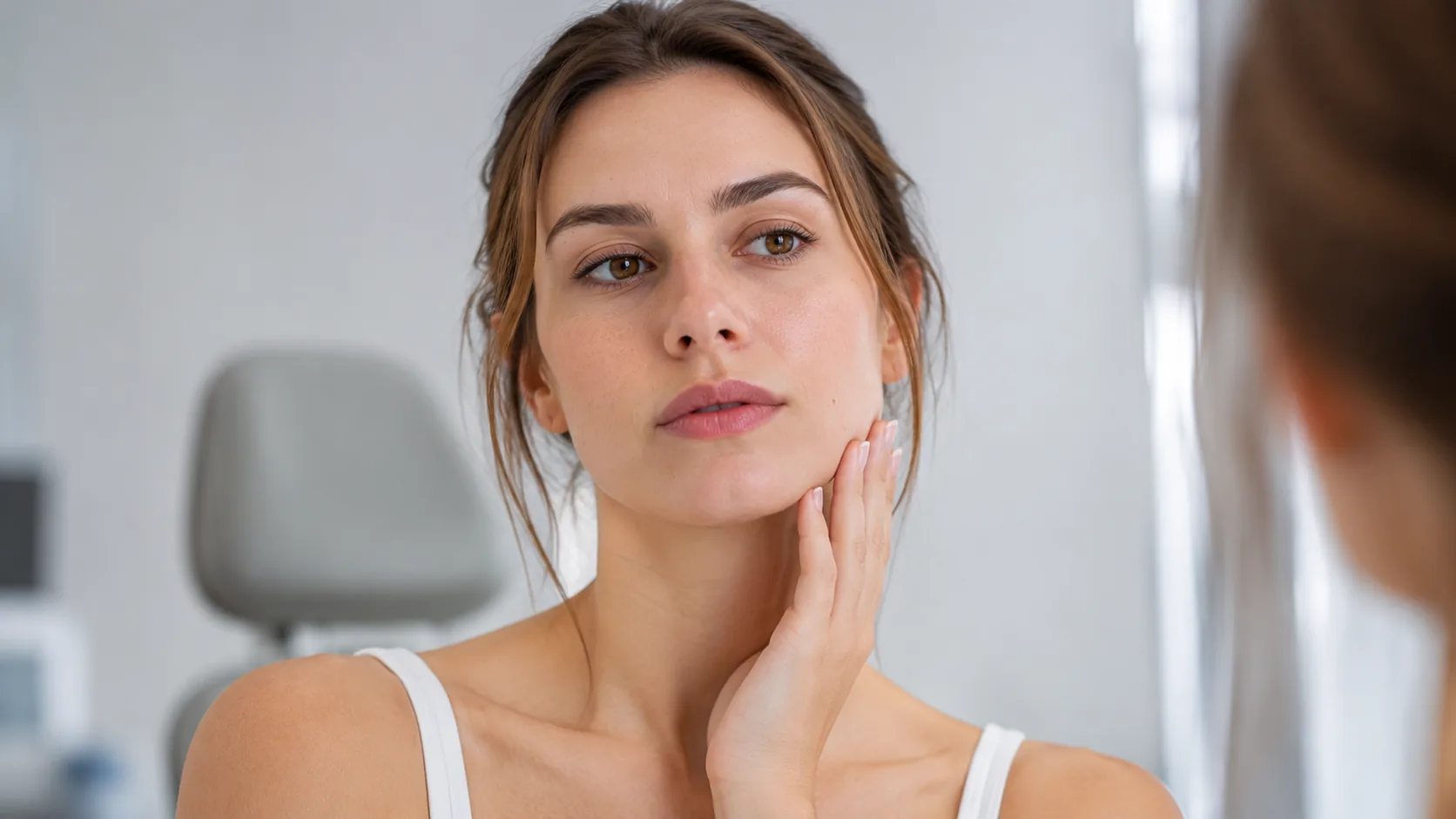
Can jaw surgery fix facial asymmetry? Discover how uneven jaws affect facial balance, when surgery may help and what results to expect.
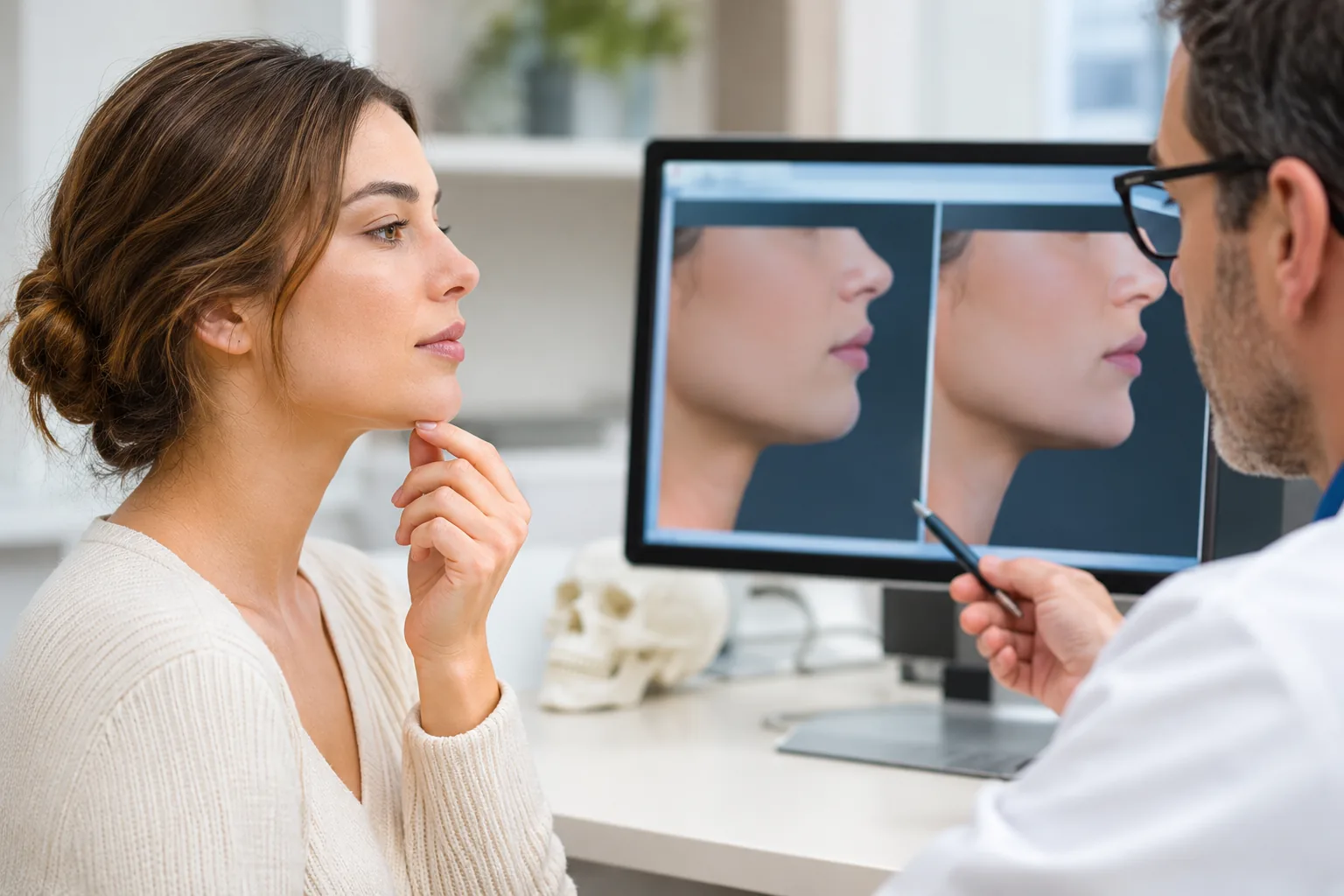
Compare genioplasty and chin implants, including costs, recovery, risks and how each procedure changes your chin and facial profile.
Can you have jaw surgery without braces? Learn about the surgery-first approach, clear aligners and when orthodontic treatment is necessary.
Subscribe to the Medifinder newsletter and never miss our latest content.