










Prominent Ear Aesthetic
This guide explains Prominent Ear Aesthetic surgery, including otoplasty techniques, suitable candidates, anaesthesia, recovery, scars, complications, headband use, and long-term results.

- Last updated
- 83 reads
- 8 min read
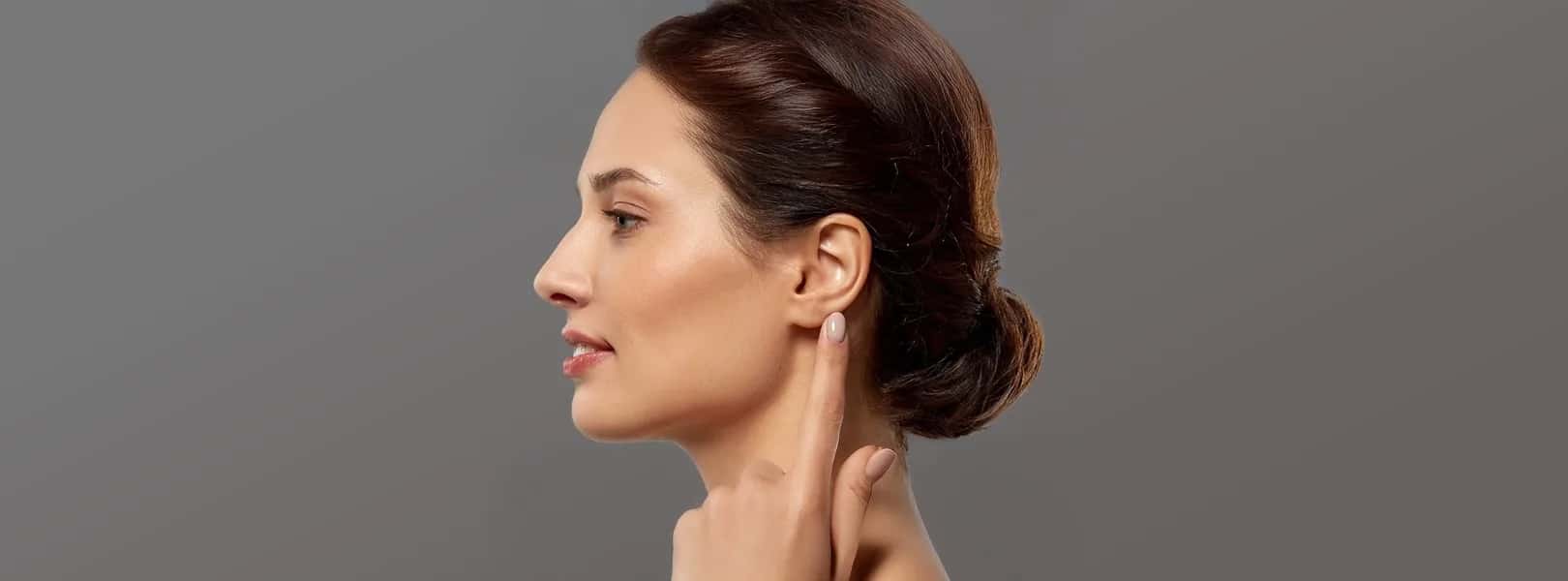


What Is Prominent Ear Aesthetic Surgery?
Prominent Ear Aesthetic surgery is an otoplasty procedure that reshapes and repositions protruding ears closer to the head while preserving a natural ear contour.
The operation is also known as ear pinning or pinnaplasty. It usually modifies the cartilage responsible for excessive projection rather than making the entire ear dramatically smaller. The procedure can strengthen a poorly developed antihelical fold, reduce excessive conchal prominence, or combine both corrections. Incisions are usually positioned behind the ear, where resulting scars are less visible. Otoplasty can be performed in children, teenagers, and adults when ear prominence creates a persistent aesthetic concern.
What Causes Prominent Ears?
Prominent ears most commonly result from an underdeveloped antihelical fold, an enlarged conchal bowl, an increased ear-to-head angle, or a combination of these features.
The antihelix normally creates an internal fold that helps keep the upper ear closer to the head. When this fold is weak, the ear can project outward. Excessively deep conchal cartilage can independently push the whole ear away from the skull. Some people have both anatomical characteristics. Prominent ears are usually congenital and frequently show familial patterns. The condition affects external appearance but does not generally interfere with hearing or normal ear function.
Who Is Suitable for Prominent Ear Aesthetic Surgery?
Prominent Ear Aesthetic surgery is suitable for people with persistent ear projection who want improved position, symmetry, or contour and can follow postoperative protection requirements.
The procedure may address one prominent ear or both ears. Candidates should understand that normal human ears are not perfectly identical, so surgery aims for improved balance rather than exact mirror-image symmetry. Adults should be healthy enough for elective surgery and have realistic expectations about shape and projection. Children should be old enough to cooperate with postoperative dressings and should personally want correction. The operation can also be considered when previous ear surgery has left residual prominence or asymmetry.
What Is the Best Age for Prominent Ear Surgery?
Prominent ear surgery is commonly considered from about five or six years of age because most external ear growth has already occurred by that stage.
The external ear reaches a large proportion of its adult size during early childhood. Cartilage is also relatively flexible at this age, which can make reshaping easier. Surgery is often timed before or during the early school years when the child actively wants correction. Teenagers and adults can still undergo otoplasty successfully, so there is no strict upper age limit. Adult cartilage can be firmer, which may influence the combination of suturing and cartilage-modifying techniques used during surgery.
How Is Prominent Ear Aesthetic Surgery Performed?
Prominent ear surgery is usually performed through an incision behind the ear, followed by cartilage reshaping and internal sutures that hold the ear in its new position.
The exact steps depend on which anatomical feature creates the projection. A weak antihelical fold can be recreated with permanent internal sutures. Excessive conchal cartilage can be repositioned, reduced, or secured closer to the head. Some techniques preserve most cartilage, while others score or remove selected cartilage to achieve a stable contour. The skin incision is then closed, and a padded dressing protects the ears during early healing.
Which Techniques Are Used for Prominent Ear Correction?
Prominent ear correction can use cartilage-sparing sutures, cartilage scoring, cartilage reduction, tissue flaps, or combined techniques selected according to the ear deformity.
Suture-based procedures can recreate the antihelical fold without extensive cartilage cutting. Cartilage-scoring methods weaken selected areas so the cartilage bends into a more suitable shape. Conchal procedures address excessive projection from the deeper bowl of the ear. Current systematic evidence suggests that combined approaches can provide durable correction in selected anatomy. However, more than 200 techniques have been described, and current research does not establish one technique as universally superior for every prominent ear.
What Type of Anaesthesia Is Used for Otoplasty?
Otoplasty can be performed under local anaesthesia, sedation, or general anaesthesia, with age and procedure complexity influencing the anaesthetic approach.
Young children commonly undergo surgery under general anaesthesia because remaining completely still is important during precise cartilage work. Cooperative teenagers and adults may be treated with local anaesthesia, sometimes combined with sedation. General anaesthesia can also be used for adults when the procedure is more extensive or personal circumstances favour it. The surgical technique itself remains similar regardless of anaesthesia because cartilage reshaping and fixation still need to create a stable and natural ear position.
How Long Does Prominent Ear Surgery Take?
Prominent ear surgery usually takes approximately one to two hours, although bilateral or more complex correction can require additional operating time.
During this period, the ears are assessed for projection, cartilage shape, and symmetry before permanent changes are completed. Bilateral treatment requires both sides to be shaped in a balanced manner while respecting natural differences between ears. Revision surgery can take longer because previous scars or sutures may alter the normal tissue planes. Most uncomplicated otoplasty procedures are performed as day surgery, allowing patients to return home after appropriate recovery from anaesthesia and postoperative observation.
Is Prominent Ear Surgery Painful?
Prominent ear surgery usually causes manageable soreness, pressure, tenderness, or itching during early recovery rather than severe prolonged pain.
Discomfort is often strongest during the first few days while swelling and the protective dressing create pressure around the ears. Simple pain medication is commonly sufficient after uncomplicated surgery. Itching beneath the dressing can also occur as incisions begin healing. Increasing pain should not simply be considered normal, especially when one ear suddenly becomes more painful. Significant pressure pain can accompany a hematoma and requires prompt assessment because accumulated blood can affect cartilage and wound healing.
What Is Recovery Like After Prominent Ear Surgery?
Recovery after prominent ear surgery usually involves one to two weeks of visible swelling and bruising, followed by several more weeks of protecting the ears from pressure.
A protective head dressing commonly remains in place for roughly five to ten days. Many children return to school within one or two weeks, while adults often resume desk-based work within a similar period. Contact sports require a longer break because accidental bending or impact can disrupt healing cartilage. Swelling gradually settles after the dressing is removed, although the ears can remain slightly firm, sensitive, or numb for several weeks.
How Long Is a Headband Worn After Otoplasty?
A headband is commonly worn at night for several weeks after otoplasty to prevent the healing ears from folding forward during sleep.
The first postoperative dressing usually provides stronger compression and protection for approximately one week. After its removal, a softer supportive headband can protect the ears while cartilage and surrounding tissues continue stabilising. Published postoperative instructions commonly recommend nighttime protection for several weeks, with some protocols extending considerably longer. Patients should avoid tight bands that create excessive pressure on the ear edges. Headband use is intended primarily to protect the new position rather than actively reshape the cartilage after surgery.
Are Otoplasty Scars Visible?
Otoplasty scars are usually difficult to see because the primary incision is commonly placed within the natural crease behind the ear.
As healing progresses, the scar generally becomes flatter and lighter. Small additional incisions can occasionally be placed within natural front ear folds when a particular technique requires them. These positions help reduce their visibility from normal viewing angles. Some patients develop thicker hypertrophic scars or keloids, although these outcomes are relatively uncommon. A recent systematic review reported hypertrophic or keloid scarring at low percentages across several established techniques. Previous abnormal scar formation can therefore be relevant when planning surgery.
What Results Can Prominent Ear Aesthetic Surgery Achieve?
Prominent Ear Aesthetic surgery can reduce excessive projection, recreate natural cartilage folds, improve symmetry, and produce a more balanced relationship between the ears and head.
Changes are visible once the initial dressing is removed, although swelling means the early appearance is not the final result. The objective is generally a natural reduction in prominence rather than positioning the ears completely flat against the skull. Long-term studies report high patient satisfaction after otoplasty. One large ten-year review documented postoperative satisfaction of approximately 96 percent. Minor asymmetry can remain because normal ears naturally differ in shape, size, and position.
Are Prominent Ear Surgery Results Permanent?
Prominent ear surgery usually provides long-lasting correction because permanent sutures and healed tissue maintain the reshaped cartilage in its new position.
Cartilage nevertheless has elastic properties and can exert some force toward its original shape. Partial recurrence can therefore occur months or years after surgery. A 2026 systematic review found recurrence below or around 10 percent across the techniques it evaluated. Several combined techniques showed recurrence rates closer to 3 to 4 percent in the available studies. Long-term stability depends on maintaining correction while the cartilage and surrounding tissues heal, making postoperative protection particularly important during the early recovery period.
What Are the Risks of Prominent Ear Aesthetic Surgery?
Prominent Ear Aesthetic surgery has a generally favourable safety profile, but recognised surgical complications can affect healing, symmetry, scarring, or long-term ear position.
-
Hematoma or postoperative bleeding
-
Infection or cartilage infection
-
Temporary or persistent numbness
-
Visible or thickened scars
-
Suture irritation or extrusion
-
Residual ear asymmetry
-
Partial recurrence of prominence
-
Poor wound healing
-
Skin pressure injury
-
Unnatural contour or excessive pinning
-
Need for revision surgery
Recent pooled evidence found recurrence or reoperation among the more frequently reported complications, while infection and significant hematoma remained comparatively uncommon.
Can the Ears Still Look Asymmetrical After Otoplasty?
Some asymmetry can remain after otoplasty because natural ears differ from each other and surgery cannot create perfectly identical cartilage on both sides.
The aim is to reduce noticeable imbalance rather than manufacture two geometrically identical ears. Pre-existing differences in ear size, cartilage stiffness, antihelical shape, conchal depth, and lobule position can remain partly visible afterward. Swelling can also make one ear temporarily appear more projected during early healing. Persistent asymmetry becomes more meaningful only after swelling has settled. Revision may be considered when a clear structural difference remains and creates a significant aesthetic concern.
Are There Nonsurgical Alternatives to Prominent Ear Surgery?
Nonsurgical ear molding can correct selected prominent ear deformities in young infants, but established prominent ears in older children and adults usually require surgery for lasting structural change.
Infant ear cartilage is unusually flexible during the first months of life. External molding devices can therefore reshape selected deformities without an operation when treatment begins early. Effectiveness decreases as cartilage becomes firmer with age. Established prominent ears after infancy cannot generally be repositioned permanently with tapes, headbands, exercises, or temporary compression. For older children and adults, otoplasty remains the principal structural treatment when permanent reduction of ear projection is desired.
- Last updated
- Language
- English
How did you find this article?
Liposuction has become part of a more open conversation about cosmetic surgery, with celebrities discussing everything from subtle body contouring to difficult recoveries and results they later regretted. These 20 public figures have personally acknowledged undergoing liposuction, offering different perspectives.
Many actors, models, musicians and television personalities have spoken openly about having rhinoplasty, some for cosmetic reasons and others to repair an injury or improve their breathing. This guide looks at what 20 of these celebrities said about their own nose surgery and what their experiences can teach anyone.
Several well-known musicians, reality stars and influencers have spoken openly about having a Brazilian butt lift, and many of them have also shared regret, reduction surgery or difficult recoveries. This guide looks at what these celebrities said about their own procedures and what their experiences can teach anyone.
Subscribe to the Medifinder newsletter and never miss our latest content.