










Procapil vs Minoxidil: Which One Is Better?
In the comparison of Procapil vs Minoxidil, the option with the stronger clinical background is generally Minoxidil, while Procapil is more commonly evaluated as a supportive ingredient for hair care.

- Last updated
- 517 reads
- 8 min read
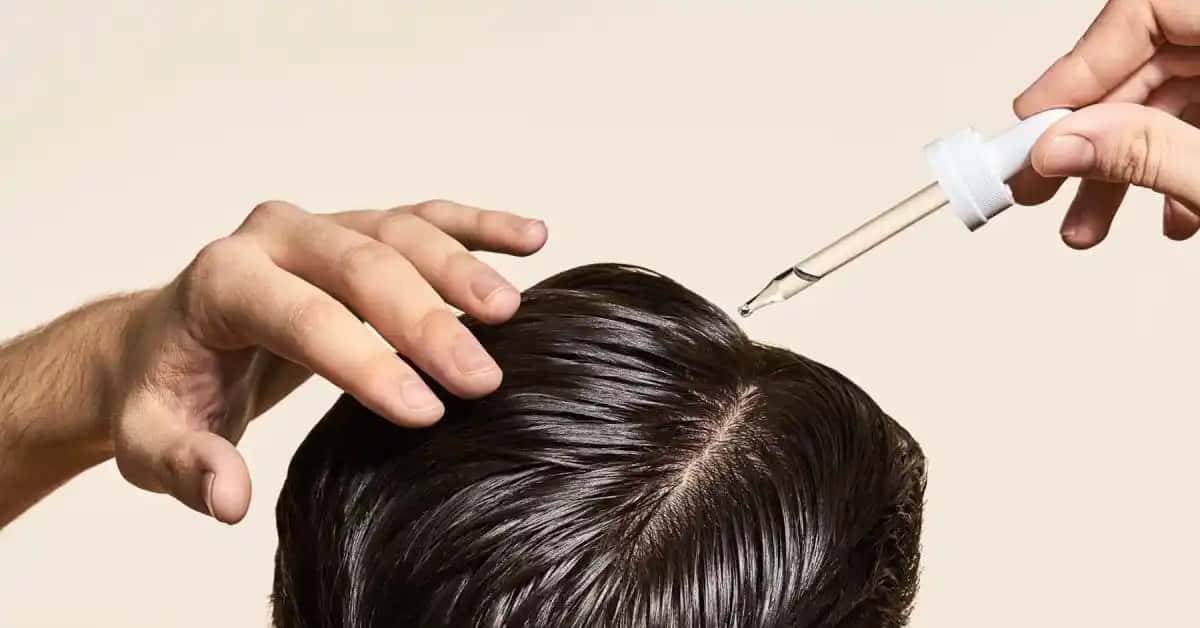


Procapil vs Minoxidil: Which One Is Better?
In the comparison of Procapil vs Minoxidil, the option with the stronger clinical background is generally Minoxidil, while Procapil is more commonly evaluated as a cosmetic active ingredient that supports hair care. This distinction is highly important for people experiencing hair loss. This is because one is recognized as a drug ingredient that has been used for many years in the treatment of androgenetic alopecia, while the other is commonly included in serums and care products aimed at supporting hair follicles, strengthening hair strands, and reducing the appearance of hair loss.
When it comes to hair loss, everyone wants quick results. Shelves are filled with products labeled as “hair growth serum,” “anti hair loss care,” “strengthening tonic,” and “hair follicle support product.” Some of these products contain Minoxidil, some contain Procapil, and others are formulated with Redensyl, Capixyl, biotin, caffeine, or herbal complexes. However, choosing a product based only on popularity is not the right approach. The type, duration, intensity of hair loss, and the condition of the hair follicles are the determining factors in product selection.
Procapil vs Minoxidil: Which One Is Better?
-
Minoxidil stands out in terms of evidence strength. Topical Minoxidil has long been used for male and female pattern hair loss, and its effectiveness has been examined more extensively in clinical studies. A comprehensive review published in 2022 stated that topical Minoxidil is among the FDA approved options for androgenetic alopecia.
-
Procapil is generally positioned more as supportive care. Procapil is a cosmetic active complex associated with ingredients such as oleanolic acid, apigenin, and biotinyl tripeptide-1. It is frequently used in anti hair loss serums, but it does not have as strong or well established a clinical background as Minoxidil.
-
Minoxidil may be a more serious option in early stage genetic hair loss. Especially when there is thinning at the crown, miniaturization of the hair strands, and reduced hair density, Minoxidil is more commonly evaluated. Dermatology sources emphasize that Minoxidil may help in early hair loss, but it should not be expected to fully restore completely lost hair.
-
Procapil may feel more comfortable for people with sensitive scalps. Minoxidil may cause itching, redness, dryness, or irritation in some individuals. Serums containing Procapil are generally used as cosmetic care products and may therefore provide a gentler experience, although this varies from product to product.
-
The clear answer is this: If the goal is evidence based support for hair growth, Minoxidil is generally the stronger option. If the goal is to support a hair care routine, improve the appearance of the hair strands, and reduce the appearance of mild shedding, Procapil may be a reasonable supportive ingredient.
What Is Minoxidil?
Minoxidil is one of the most discussed active ingredients when it comes to hair loss. Initially developed for a different medical purpose, it later gained attention for its effects on hair growth and became widely used in topical forms for hair loss treatment. Today, it is commonly available in solution, spray, and foam forms. It is especially one of the most recognized ingredients for androgenetic alopecia, meaning male and female pattern hair loss.
The main difference with Minoxidil is that it is considered more of a medical active ingredient than a cosmetic care component. When applied regularly to the scalp, it may help support the growth phase of hair follicles. However, this effect does not appear at the same level in everyone. In some individuals, hair shedding slows down; in others, the hair strands become thicker; while in some people, the expected response remains limited.
Patience is required when using Minoxidil. A few days or even a few weeks of use is generally not enough to evaluate results. The hair cycle progresses slowly, and noticeable effects usually require several months of regular application. It should also be understood that the achieved benefits may gradually decrease after discontinuing use. MedlinePlus states that Minoxidil may not provide the expected benefit if not used regularly and that newly grown hair may be lost within a few months after stopping treatment.
What Is Procapil?
Procapil is one of the active complexes used in hair care products. It is commonly included in anti hair loss serums, tonics, and care formulations. Its formula is promoted with claims of supporting hair follicles, improving hair strand anchoring, and contributing to scalp care.
The main reason for Procapil’s popularity is that it appeals to individuals who do not want to use Minoxidil or who are searching for a milder care alternative. Some users may switch to serums containing Procapil because of the dryness, itching, or greasy feeling that Minoxidil may cause. Especially for people who want their hair care routine to remain more on the cosmetic side, Procapil may feel like a more acceptable option.
However, it is not accurate to place Procapil and Minoxidil in the same category. There are studies regarding Procapil, but many existing studies have been conducted using combination products. For example, there are studies evaluating Procapil together with PRP or formulas combining it with caffeine and other ingredients. This makes it more difficult to interpret the effects of Procapil alone as clearly as Minoxidil. A comparative study published in 2023 evaluated Procapil combinations, but the results were considered together with various supportive treatments.
Differences in Mechanism of Action
The main difference between Minoxidil and Procapil lies in how they work. Minoxidil is an active ingredient believed to support the hair follicle growth cycle and help prolong the anagen phase of the hair. For this reason, it holds a more significant place in the treatment of genetic hair loss.
Procapil, on the other hand, is mainly used with claims of supporting the structures surrounding the hair follicle, improving hair anchoring quality, and reducing the appearance of hair shedding. This approach is more care oriented. Especially when the hair strands have weakened, the scalp looks fatigued, or temporary shedding is occurring, products containing Procapil may play a supportive role.
In practical terms, this means that Minoxidil is generally considered treatment focused, while Procapil is evaluated as a strengthening part of the hair care routine. If the hair loss is advanced, the crown area has become more exposed, or genetic shedding is significant, Procapil alone may not be sufficient.
How Long Does It Take to See Results?
The waiting period for results with Minoxidil is generally longer. During the first weeks, some users may feel that shedding has increased. This is not always a negative sign and may be related to weaker hairs leaving the cycle as a new growth phase begins. However, if severe irritation, burning, facial hair growth, or palpitations occur, the situation should be taken seriously. Mayo Clinic reports that topical Minoxidil use may cause scalp burning, redness, unwanted facial hair growth, and some systemic symptoms.
With products containing Procapil, results are usually evaluated based on changes in the appearance and feel of the hair. The hair may appear fuller, more vibrant, or stronger. However, this effect is generally experienced as improved hair quality rather than “new hair growth.” For this reason, expectations from Procapil should remain realistic.
Regular use is important with both ingredients. Using a product for only a few days and then stopping is not enough to evaluate results. Hair loss progresses slowly, and recovery also requires time.
Side Effects and Comfort of Use
Minoxidil may be an effective option, but not every scalp tolerates it in the same way. Some people may experience dryness, itching, flaking, redness, and scalp sensitivity. In some solution forms, ingredients such as alcohol or propylene glycol may further dry the scalp. Foam forms may feel more comfortable for some users, although this depends on personal tolerance.
Products containing Procapil are generally marketed as lighter care products. Therefore, they may feel more comfortable for daily use. Formulas that do not leave the scalp greasy, sticky, or heavy may improve the user experience. However, not every Procapil product is the same. The fragrance level, carrier base, and additional active ingredients may influence how the scalp reacts.
The important thing is to pay attention to the signals coming from your scalp. If redness, burning, increased itching, or noticeable irritation occurs, continuing to use the product simply because it is popular is not appropriate.
Who Should Prefer Which?
-
People with noticeable male or female pattern hair loss may evaluate Minoxidil with dermatological guidance. Especially when started in the early stages, it may provide more meaningful results.
-
People experiencing milder, temporary, or care oriented shedding may prefer serums containing Procapil as supportive products.
-
People with highly sensitive scalps may experience irritation while using Minoxidil. In such cases, gentler formulas or products containing Procapil may feel more comfortable.
-
People experiencing rapid and severe hair loss should not waste time relying only on cosmetic serums. In sudden shedding cases, iron deficiency, thyroid disorders, stress, illness, medications, or hormonal changes should also be investigated.
-
People seeking realistic expectations should view Minoxidil as the stronger option and Procapil as the supportive alternative.
Can They Be Used Together?
In some hair care routines, Minoxidil and Procapil may be used together. The purpose is to benefit from Minoxidil’s support for hair growth while strengthening the care routine with Procapil. However, this combination should not be applied randomly. Using too many products at the same time may tire the scalp, increase irritation, and make it difficult to understand which product is helping or causing problems.
If combined use is considered, the application times of the products may be separated. For example, one product may be used in the morning and the other in the evening. However, applying different serums, oils, or intensive care products immediately after Minoxidil may affect absorption and irritation risk. Therefore, especially for sensitive scalps, a more controlled approach is recommended.
In hair loss treatment, the idea that “the more products used, the better the result” is not correct. Sometimes, a simple and consistent routine provides better results than a complicated one.
Price and Sustainability
Price is also an important factor in the Procapil vs Minoxidil comparison. Minoxidil generally requires regular and long term use. Since the effects may decrease after discontinuation, the cost should not be considered as limited to a single bottle. Serums containing Procapil also vary in price depending on the brand, formula concentration, and packaging size.
Sustainability is just as important as the ingredients themselves. A product that you cannot use every day, that excessively greases your hair, or that causes discomfort on your scalp will not provide long term benefits. The chosen product should fit your budget, lifestyle, and scalp tolerance.
- Last updated
- Language
- English
How did you find this article?

A current medicine list helps you see everything you take in one place, from prescriptions to vitamins, drops, inhalers, and occasional pain relievers. It can make appointments smoother, reduce confusion at the pharmacy, and give caregivers or emergency contacts clearer information when they need it.


Nausea can come from motion sickness, stomach irritation, migraine, pregnancy, medications, infections, anxiety, surgery, or medical treatments, so the “best” option depends on the cause. This guide explains the main types of Nausea Medicine, how over the counter nausea medicine differs from prescription antiemetics.

Nausea can come from many places: motion sickness, stomach bugs, migraine, medications, pregnancy, surgery, digestive conditions, and more. Antiemetic medication can help, but the best choice depends on the cause, severity, timing, medical history, and whether vomiting is putting someone at risk of dehydration.
Subscribe to the Medifinder newsletter and never miss our latest content.