










Lipedema: Symptoms, Diagnosis and Treatment
This guide explains lipedema, including its symptoms, causes, stages, diagnosis, differences from obesity and lymphedema, treatment options, exercise, compression, and liposuction.

- Last updated
- 71 reads
- 8 min read


What Is Lipedema?
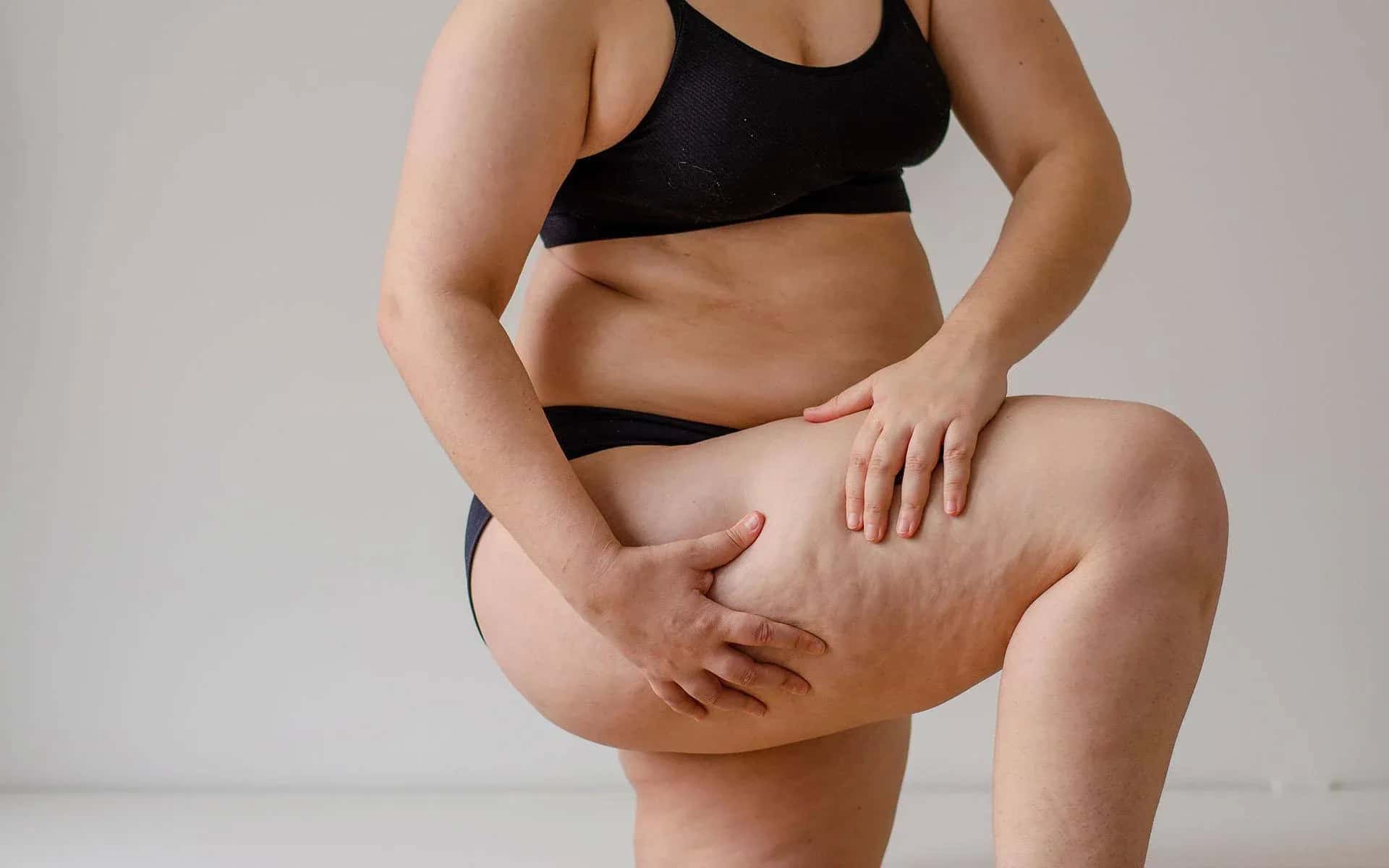
Lipedema is a chronic disorder involving disproportionate, usually symmetrical accumulation of painful subcutaneous fat, most commonly affecting the legs and sometimes the arms.
The condition occurs overwhelmingly in women and commonly spares the hands and feet. Affected tissue may feel tender, heavy, or nodular and can bruise easily. The lower body may become noticeably disproportionate to the trunk even when overall body weight is not high. Lipedema is distinct from ordinary obesity and primary lymphedema, although either condition can coexist with it. Current evidence also shows that its biological mechanisms remain incompletely understood.
What Are the Symptoms of Lipedema?
Lipedema typically causes symmetrical limb enlargement, pain or tenderness, easy bruising, heaviness, and disproportionate fat accumulation that usually stops before the hands or feet.
Common features include:
-
Symmetrical enlargement of both legs
-
Fat accumulation around hips and thighs
-
A distinct cuff above the ankles
-
Pain or tenderness when pressure is applied
-
Easy or unexplained bruising
-
Feelings of heaviness or tension
-
Nodules beneath the skin
-
Possible upper-arm involvement
-
Progressive difficulty with movement in advanced disease
-
Feet and hands usually remaining unaffected
Symptoms and visible tissue changes do not always progress at the same rate.
What Causes Lipedema?
The exact cause of lipedema remains uncertain, but current research suggests that genetic susceptibility, adipose tissue biology, connective tissue changes, and hormonal influences may contribute.
Family clustering has been reported, supporting a possible inherited component. However, researchers have not established one gene or single biological pathway responsible for every case. Abnormalities involving fat cells, connective tissue, microvascular function, inflammation, and lymphatic function are under investigation. Lipedema should therefore not be described simply as excess calorie storage. Current international consensus also emphasizes that important questions about disease mechanisms remain unresolved despite growing research interest.
Are Hormones Linked to Lipedema?
Hormonal factors are strongly suspected in lipedema because symptoms often appear or become more noticeable around puberty, pregnancy, and menopause.
The striking predominance among women has led researchers to investigate estrogen, progesterone, adipose signaling, and hormone receptor activity. A recent systematic review found several proposed hormonal mechanisms, but available studies remain too limited to establish one proven endocrine cause. Hormonal transitions may therefore influence disease development or progression without being the only explanation. Lipedema beginning during a hormonal life stage does not automatically indicate abnormal blood hormone levels, and routine hormone testing cannot currently confirm the diagnosis.
Which Parts of the Body Does Lipedema Affect?
Lipedema most commonly affects the hips, buttocks, thighs, lower legs, and sometimes the arms while characteristically sparing the feet and hands.
Fat distribution varies between individuals, which has led to anatomical classifications describing different patterns. Some patients mainly develop enlargement around the hips and thighs. Others have involvement extending from the buttocks toward the ankles. Upper-arm involvement can occur alongside lower-body disease. Isolated lower-leg patterns have also been described. A sharp change between enlarged legs and relatively unaffected feet creates the characteristic cuff appearance commonly associated with lipedema.
What Are the Stages of Lipedema?
Lipedema stages describe visible and palpable tissue changes, progressing from relatively smooth skin toward larger nodules, fibrosis, tissue folds, and possible secondary lymphatic involvement.
Stage 1 generally has smooth skin with thickened, soft subcutaneous tissue and small nodules. Stage 2 develops a more uneven surface, larger nodules, and increasing fibrotic changes. Stage 3 can include large lobules, overhanging tissue, and substantial contour changes. Some classifications describe secondary lymphedema as Stage 4. However, staging remains primarily morphological and does not reliably measure pain, disability, or individual disease burden.
How Is Lipedema Diagnosed?
Lipedema is primarily diagnosed clinically through medical history and physical examination because no blood test, genetic test, or imaging method currently confirms the condition by itself.
Assessment focuses on symmetrical fat distribution, pain, tenderness, bruising, tissue texture, limb disproportion, and characteristic sparing of the feet or hands. Measurements of limb circumference and body proportions can help document changes. Ultrasound, MRI, or lymphatic imaging may support evaluation when another condition is suspected. Current international consensus states that no imaging, serological, genetic, or clinical measurement tool has official approval as a definitive diagnostic test for lipedema.
How Is Lipedema Different From Obesity?
Lipedema differs from obesity because it produces disproportionate, often painful limb fat with easy bruising, while obesity generally causes more widespread fat accumulation without these characteristic symptoms.
A person can have lipedema without obesity, and both conditions can also occur together. Weight reduction usually decreases ordinary body fat more predictably than the disproportionate lipedema tissue. As the trunk becomes smaller, affected limbs can remain comparatively enlarged. Body mass index can also be misleading because enlarged legs increase total weight without showing where fat is distributed. When obesity and lipedema coexist, each condition requires appropriate management rather than treating them as one disease.
How Is Lipedema Different From Lymphedema?
Lipedema usually causes symmetrical painful fatty enlargement while sparing the feet, whereas lymphedema results from impaired lymphatic drainage and frequently includes foot swelling.
Lymphedema can affect one limb more than the other and often causes pitting swelling, skin thickening, and later tissue changes. Pure lipedema typically presents symmetrically, with tenderness and easy bruising being more characteristic. A negative Stemmer sign is also commonly associated with lipedema. However, the distinction can become less clear in advanced disease because secondary lymphatic dysfunction may develop alongside lipedema. Imaging can help when clinical findings do not clearly separate the conditions.
Can Weight Loss Get Rid of Lipedema?
Weight loss can reduce ordinary body fat and improve general health, but it usually does not eliminate the disproportionate lipedema fat pattern by itself.
People with lipedema may lose weight from the trunk while their legs remain comparatively enlarged. This difference can make lower-body disproportion more visible after substantial weight reduction. Maintaining a healthy weight still matters because additional obesity can increase mechanical strain, mobility limitations, and symptom burden. Weight management should therefore be understood as part of long-term care rather than a cure for lipedema tissue. Lipedema and obesity can coexist, so successful management may need to address both conditions separately.
Is Lipedema Painful?
Pain is a major feature of lipedema and can include tenderness, pressure sensitivity, aching, heaviness, or discomfort within affected fatty tissue.
Pain severity varies considerably and does not consistently match the visible stage of disease. Someone with relatively modest tissue enlargement can experience significant tenderness, while another person with advanced morphological changes may describe different symptom intensity. This limitation is important because staging systems mainly describe appearance and tissue structure. Current research frameworks increasingly treat pain and heightened sensitivity as central diagnostic characteristics rather than secondary cosmetic concerns. Persistent pain can also influence mobility, exercise tolerance, clothing choices, and daily physical activity.
Does Lipedema Get Worse Over Time?
Lipedema can progress over time, but the speed, symptom pattern, and degree of tissue change differ significantly between individuals.
Progression may involve larger fat deposits, increasing nodularity, fibrotic changes, heavier limbs, mobility limitations, or secondary lymphatic problems. However, the condition does not follow an identical sequence in every patient. Hormonal transitions and weight changes are frequently associated with worsening symptoms, although their exact biological roles remain under investigation. Advanced tissue appearance also does not automatically indicate greater pain. Early recognition can help establish strategies for symptom control, mobility, weight management, and monitoring before substantial functional limitations develop.
Does Compression Therapy Help Lipedema?
Compression therapy can reduce discomfort, heaviness, and swelling-related symptoms in lipedema, although it does not remove abnormal adipose tissue.
Compression garments apply controlled external pressure and can support movement while reducing fluid-related symptoms in selected patients. They are commonly incorporated into conservative management alongside physical activity and other supportive measures. Garment type and compression level should match limb shape, symptoms, tolerance, and any coexisting vascular or lymphatic problems. Compression is therefore a symptom-management strategy rather than a method for permanently removing lipedema tissue. Recent systematic evidence supports conservative approaches for symptom reduction, although study quality remains less robust than desired.
Does Exercise Help Lipedema?
Exercise can improve mobility, cardiovascular health, muscle function, and weight management in people with lipedema even though it does not directly remove the characteristic fat distribution.
Low-impact activities can be especially practical when painful or heavy legs make high-impact exercise uncomfortable. Walking, cycling, swimming, aquatic exercise, and progressive resistance training can help maintain physical capacity. Water-based exercise also provides natural external pressure while reducing stress on weight-bearing joints. Exercise should not be presented as a cure because lipedema tissue may persist despite increased activity. Its value lies in maintaining function, supporting metabolic health, and helping manage other conditions that can worsen overall mobility.
Is There a Specific Diet for Lipedema?
There is no single diet proven to cure lipedema, although balanced nutrition can support weight management, metabolic health, and general symptom control.
Research has explored ketogenic and other dietary strategies, but evidence remains limited and does not establish one universal lipedema diet. Nutritional planning is particularly useful when obesity, insulin resistance, or other metabolic conditions coexist. Extremely restrictive dieting should not be assumed to remove lipedema tissue simply because total body weight decreases. A sustainable eating pattern should prioritize adequate protein, vegetables, fiber, and overall nutritional quality while supporting an appropriate energy intake. Dietary management works best as one component of broader long-term care.
Can Liposuction Treat Lipedema?
Liposuction can reduce lipedema tissue and improve pain, mobility, bruising, swelling, and quality of life in appropriately selected patients, but it is not considered a guaranteed cure.
Recent systematic reviews have reported sustained symptom improvements after liposuction, particularly with tumescent techniques designed to remove diseased subcutaneous fat. A 2026 review covering 2,373 patients found improvements in pain and functional limitations, with serious complications uncommon. However, available studies vary considerably in design, technique, follow-up, and outcome reporting. Some patients continue needing compression or other conservative care after surgery. Long-term standardized evidence remains necessary to define outcomes more precisely.
Is There a Cure for Lipedema?
Lipedema currently has no established cure, but symptoms and functional limitations can often be managed through conservative measures and, in selected cases, surgical fat reduction.
Treatment aims to reduce pain, support mobility, manage swelling, maintain a healthy weight, and limit complications from coexisting conditions. Compression, exercise, physical therapy, and nutritional management can provide conservative support. Liposuction has stronger evidence for reducing abnormal tissue and improving several symptoms, although it does not guarantee that every future symptom will disappear. Because lipedema is chronic, long-term management usually focuses on maintaining function and monitoring changes rather than expecting one intervention to permanently resolve every aspect.
- Last updated
- Language
- English
How did you find this article?

Liposuction has become part of a more open conversation about cosmetic surgery, with celebrities discussing everything from subtle body contouring to difficult recoveries and results they later regretted. These 20 public figures have personally acknowledged undergoing liposuction, offering different perspectives.

Many actors, models, musicians and television personalities have spoken openly about having rhinoplasty, some for cosmetic reasons and others to repair an injury or improve their breathing. This guide looks at what 20 of these celebrities said about their own nose surgery and what their experiences can teach anyone.
Several well-known musicians, reality stars and influencers have spoken openly about having a Brazilian butt lift, and many of them have also shared regret, reduction surgery or difficult recoveries. This guide looks at what these celebrities said about their own procedures and what their experiences can teach anyone.
Subscribe to the Medifinder newsletter and never miss our latest content.