










How to Choose a Breast Surgery Clinic in Brazil?
Choosing a breast surgery clinic in Brazil requires checking surgeon credentials, facility certifications, and authentic patient reviews. You must verify that your doctor belongs to the Brazilian Society of Plastic Surgery.

- Last updated
- 92 reads
- 10 min read
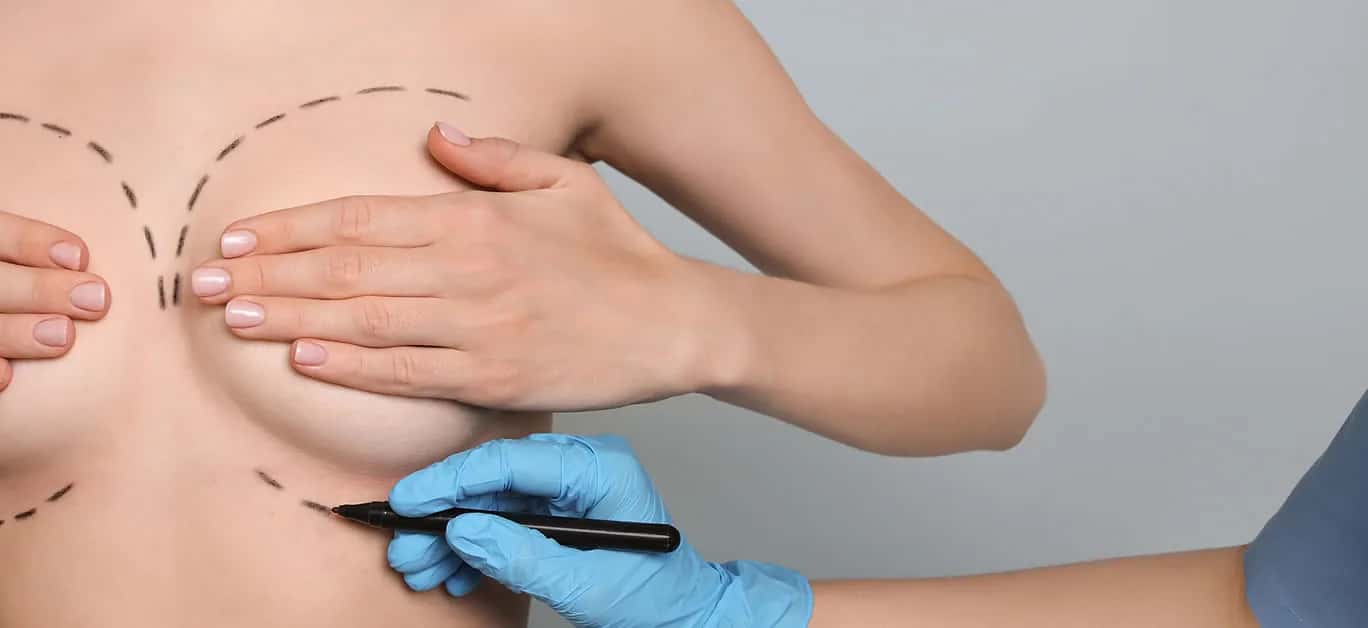


How to Choose a Breast Surgery Clinic in Brazil?
Choosing a breast surgery clinic in Brazil requires careful attention to surgeon qualification, surgical safety, hospital standards, implant selection, realistic planning, pricing clarity, and aftercare. Brazil is well known for plastic surgery, but reputation alone should not guide such an important decision. The quality of the result depends on the clinic’s medical discipline, the surgeon’s experience, the safety of the facility, and the honesty of the consultation process.
Breast surgery can include breast augmentation, breast lift, breast reduction, implant exchange, revision surgery, breast reconstruction, or combined procedures. Each operation has a different purpose, technique, recovery process, and risk profile. A patient looking for fuller breasts may need implants. Another patient may need a lift because of sagging. Someone with heavy breasts may benefit from reduction. A revision patient may need a more complex plan because of scar tissue, implant position, asymmetry, or capsular contracture.
Patients can explore providers through the MediFinder Breast Surgery Clinics in Brazil discovery page. It currently presents 26 clinic results and helps users compare locations, procedures and available provider information before arranging consultations.
Look First at Medical Qualification
The first step is to confirm that the surgeon has proper medical registration and relevant training in plastic surgery. Breast surgery is not a simple beauty treatment. It is an operation that involves anaesthesia, incisions, tissue handling, bleeding control, wound healing, and possible complications. For this reason, the surgeon’s qualifications matter.
In Brazil, patients should feel comfortable asking about the doctor’s medical registration, plastic surgery background, professional memberships, and experience with the specific breast procedure they want. A surgeon may be experienced in facial surgery but less focused on breast surgery. Another may perform many breast augmentations but fewer breast reductions or complex revisions.
A reliable clinic answers these questions clearly. It does not rely only on reputation, social media popularity, or celebrity-style marketing. The patient should know who will perform the surgery, who will assist, who will provide anaesthesia, and who will follow the recovery process.
Make Sure the Surgery Setting Is Safe
A breast surgery clinic should use a safe and properly equipped surgical environment. The facility should be suitable for the planned procedure, with sterile operating conditions, trained staff, anaesthesia support, emergency protocols, and proper recovery monitoring.
Not every breast surgery should be treated as a quick outpatient appointment. Some procedures are more complex, especially breast lift with implants, breast reduction, implant exchange, or revision surgery. These operations may require stronger safety planning and careful post-operative observation.
When choosing a breast surgery clinic in Brazil, ask where the operation will take place. Find out whether it will be performed in a hospital, surgical centre, or clinic-based operating room. Ask what happens if there is bleeding, a reaction to anaesthesia, breathing difficulty, or another emergency. A serious clinic will not be offended by these questions. It will see them as part of responsible patient care.
The Consultation Should Feel Personal
A high-quality consultation should not feel rushed. The surgeon should ask why you want breast surgery, what bothers you, what result you hope to achieve, and what concerns you have. The consultation should include a medical history review, physical examination, discussion of breast shape, skin elasticity, nipple position, asymmetry, chest proportions, and lifestyle.
Patients often arrive with a preferred cup size or implant volume in mind. However, implant size alone does not define the result. The same implant can look different on two bodies. Chest width, natural breast tissue, skin stretch, shoulder structure, waist shape, and body height all affect the final appearance.
A good breast surgery clinic in Brazil will guide the patient toward a result that fits the body rather than forcing a standard look. The goal should be balance, safety, and long-term comfort, not only maximum size.
Understand Which Breast Procedure You Really Need
Many patients ask for breast augmentation when they may actually need a lift. Others want a lift but may also need volume restoration. Some patients want smaller breasts but also need reshaping for a natural contour. This is why diagnosis matters.
Breast augmentation adds volume, usually with implants or sometimes fat transfer. A breast lift raises and reshapes sagging breasts by removing excess skin and repositioning tissue. Breast reduction decreases size and weight while improving shape and comfort. Implant exchange replaces old implants, changes size, or corrects implant-related problems. Revision surgery deals with previous results that need improvement.
A clinic that recommends the same operation to every patient is not offering careful care. The right clinic explains why one technique fits your anatomy and why another may not. If your expectations cannot be reached safely with one procedure, the surgeon should say so clearly.
Implant Choice Should Be Explained in Detail
For breast augmentation or lift with implants, implant choice is one of the most important parts of planning. The surgeon should explain implant size, shape, profile, surface, material, placement, and incision location. Patients should also understand the benefits and possible risks of implants before making a decision.
Implants are not lifetime devices. Some patients may need future surgery because of rupture, capsular contracture, implant movement, size change, aesthetic preference, or other concerns. A responsible clinic discusses this from the start. It does not present implants as a permanent solution that will never need follow-up.
The clinic should also explain how breast screening may be managed after implants and what symptoms should prompt medical evaluation. Clear implant education is a sign that the clinic takes long-term patient safety seriously.
Look for Balanced Aesthetic Planning
A beautiful breast surgery result should match the patient’s body. Bigger is not always better. Higher is not always more natural. A breast shape that looks impressive immediately after surgery may not age well if the plan ignores skin quality, tissue support, and body proportion.
The surgeon should evaluate breast base width, nipple position, distance between breasts, upper pole fullness, lower pole shape, skin stretch, rib cage structure, and natural asymmetry. Most people have some difference between the two breasts before surgery. The goal is improvement and balance, not mathematical perfection.
In Brazil, where aesthetic standards can be high, patients may feel pressure to choose a dramatic result. A good clinic helps the patient avoid decisions that may look excessive, uncomfortable, or difficult to maintain over time.
Review Before and After Photos Carefully
Before and after photos can help patients understand a surgeon’s style, but they must be reviewed with care. Lighting, posture, arm position, camera angle, distance, swelling, and time after surgery can all affect how results appear.
Ask to see patients with a body type similar to yours. If you have mild sagging, do not compare yourself to a patient who only had augmentation. If you need reduction, look at reduction cases. If you need revision, ask to see revision examples. Similar starting anatomy matters more than impressive photos from very different patients.
Strong breast surgery results usually show balanced proportions, acceptable scar placement, improved symmetry, and a shape that suits the body. Photos should include different angles and realistic healing timelines when possible.
Ask About Scars Before Surgery
All breast surgery involves some form of incision. The type and length of scar depend on the procedure. Breast augmentation may use an incision under the breast, around the areola, or in another selected area. Breast lift and reduction usually require more visible scar patterns because excess skin must be removed and the breast must be reshaped.
A trustworthy clinic explains scar placement honestly. It should also discuss how scars usually mature, how long redness can last, what care may help healing, and which factors can affect scar quality. Genetics, skin tone, tension, smoking, infection, and aftercare can all influence scar appearance.
Patients should be cautious if a clinic promises invisible scars. Good technique can help scars heal better, but no surgeon can guarantee that scars will disappear completely.
Anaesthesia and Recovery Monitoring Matter
Breast surgery usually requires anaesthesia or sedation depending on the procedure. Patients should know who provides anaesthesia, what type will be used, how they will be monitored, and where they will recover immediately after surgery.
The anaesthesia team is an important part of safety. A clinic should take allergies, medications, previous reactions, medical conditions, smoking, and recent illnesses seriously. Pre-operative tests may be needed depending on the patient and the procedure.
After surgery, the patient should be monitored before leaving the facility. Instructions about pain control, drains if used, surgical bra, sleeping position, arm movement, showering, driving, work, exercise, and warning signs should be clear.
Pricing Should Be Clear and Complete
Breast surgery cost in Brazil can vary depending on the city, surgeon experience, hospital or surgical facility, anaesthesia, implant brand, procedure complexity, length of surgery, tests, garments, medications, and follow-up care. A low quote may not include everything needed for a safe operation.
Before booking, ask for a complete cost breakdown. The price should clarify surgeon fees, anaesthesia, facility fees, implants if used, pre-operative exams, post-operative garments, medication guidance, follow-up appointments, and possible extra costs.
A higher price does not automatically mean better quality, but an unusually low price should be reviewed carefully. Breast surgery is not the right area to choose based only on the cheapest offer. Safety, planning, and follow-up have real value.
Aftercare Is Part of the Result
The result of breast surgery depends not only on what happens in the operating room, but also on healing. Swelling, bruising, tightness, changes in sensation, scar development, implant settling, and tissue adjustment all take time.
The clinic should provide a structured aftercare plan. Patients should know when they will be reviewed, how to contact the clinic, what symptoms are normal, and what symptoms require urgent attention. Pain that worsens suddenly, fever, unusual swelling, wound drainage, shortness of breath, or one-sided severe discomfort should never be ignored.
A good breast surgery clinic in Brazil remains involved after the operation. It does not disappear once payment is complete. Follow-up is especially important for implant surgery, lift with implants, reduction, and revision procedures.
International Patients Need Extra Planning
Many international patients consider Brazil for breast surgery because of the country’s reputation in plastic surgery. However, travelling for surgery requires careful planning. Patients should not arrive too close to the operation date or leave too soon after surgery.
A clinic that treats international patients should explain how long to stay, when the first follow-up will happen, when flying may be safe, how remote follow-up is handled, and what to do if a concern appears after returning home. Language support also matters. Consent forms, medication instructions, risk explanations, and aftercare steps must be understood clearly.
Patients should also plan accommodation, transport, help during the first days, and recovery time away from work or travel activities. Breast surgery recovery is not a vacation schedule. It requires rest, support, and medical availability.
Revision Experience Is Important
Revision breast surgery can be more complex than a first procedure. It may involve scar tissue, implant pocket problems, capsular contracture, implant rupture, asymmetry, stretched skin, poor scar position, or dissatisfaction with size and shape.
If you are choosing a clinic for revision surgery in Brazil, ask specifically about revision experience. The surgeon should explain what can realistically be improved and what limitations exist. Revision surgery may require implant exchange, capsule work, tissue support, lift techniques, fat grafting, or staged planning.
A clinic that treats revision surgery as a simple implant swap may underestimate the complexity. Careful analysis is essential.
Watch for Warning Signs
Certain signs should make patients cautious. These include pressure to book immediately, vague answers about surgeon credentials, unclear facility information, no proper examination, unrealistic promises, edited photos, no written plan, and pricing that seems incomplete.
Be careful with clinics that promise perfect symmetry, scarless surgery, lifetime implants, no risks, or instant recovery. Breast surgery can produce excellent results, but it still has limits and possible complications.
A reliable clinic uses clear language. It explains both benefits and risks. It respects your decision-making process and gives you time to think.
Questions to Ask Before Booking
Before choosing a breast surgery clinic in Brazil, prepare direct questions. Ask whether you are a good candidate, which procedure suits your anatomy, what implant type is recommended if needed, where the surgery will take place, who provides anaesthesia, what scars to expect, how long recovery usually takes, and how follow-up is organized.
Ask what happens if you develop a complication, need a revision, or have concerns after returning home. Ask whether the clinic provides written instructions and a clear emergency contact pathway. The quality of the answers often reveals the quality of the clinic.
- Last updated
- Language
- English
How did you find this article?
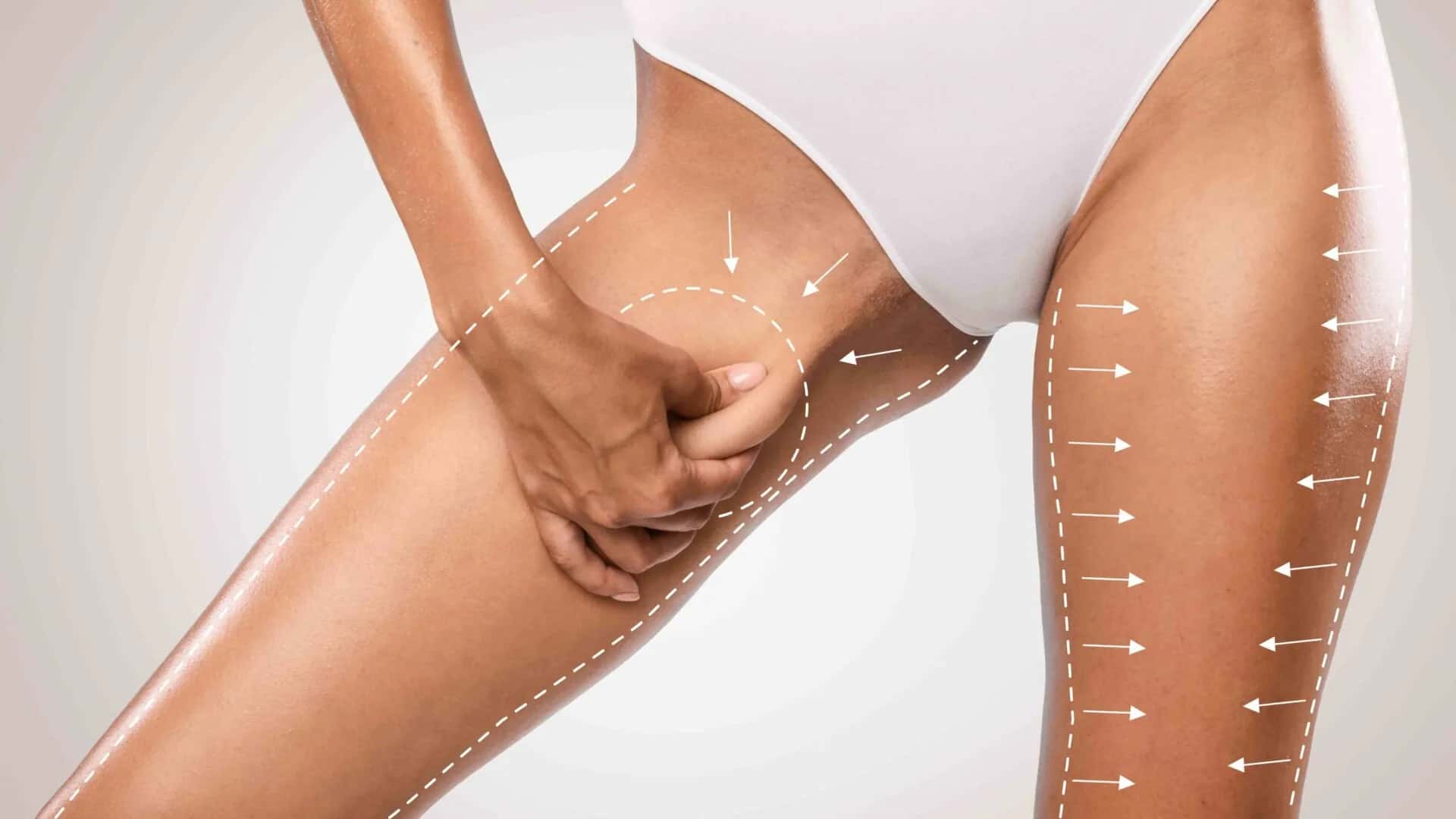
Thigh lift surgery can cost from roughly $2,000 in lower-cost private healthcare markets to more than $15,000 for extensive treatment in higher-priced countries during 2026. Also known as thighplasty, the procedure removes excess skin and reshapes the thighs, particularly after major weight loss.
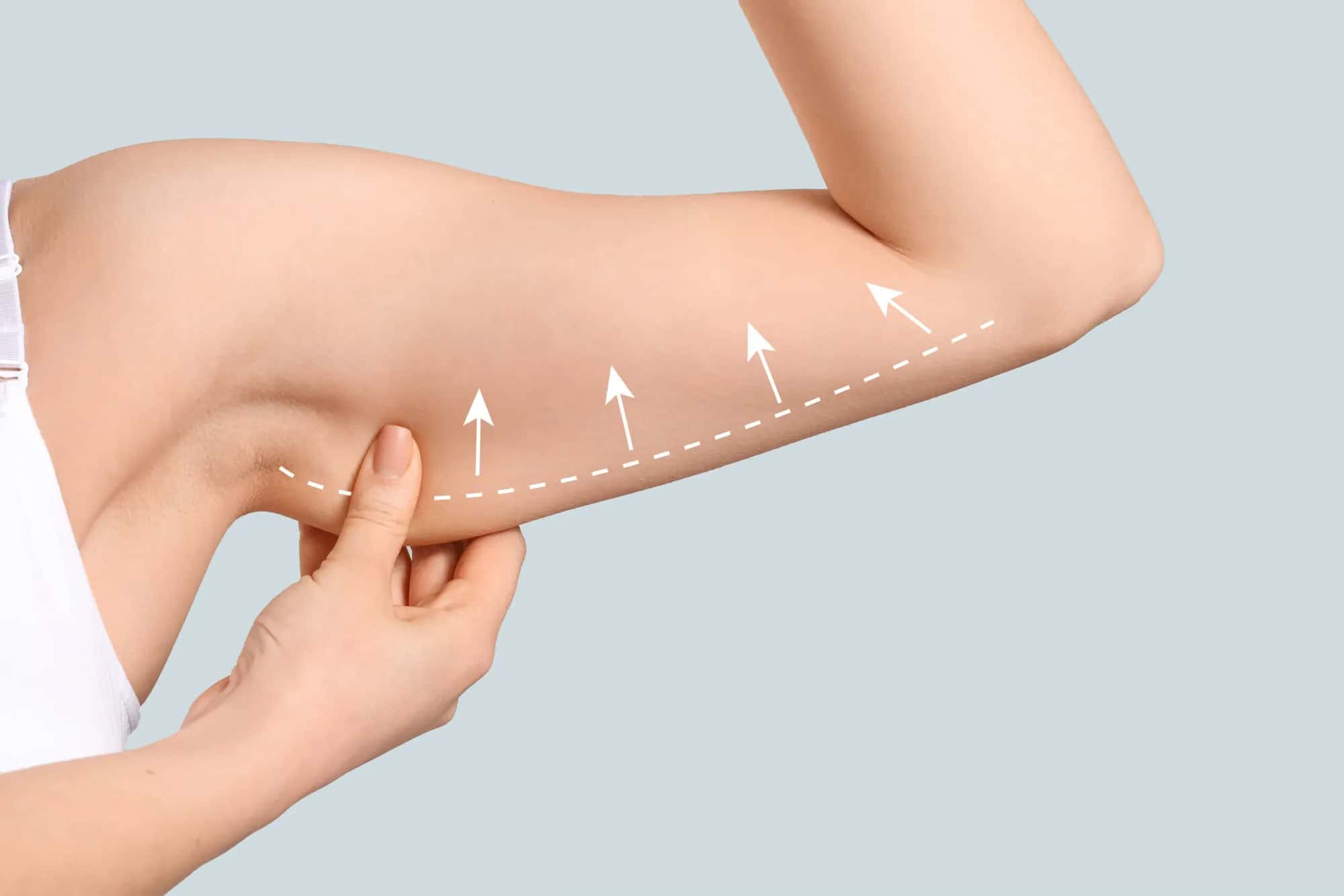
Arm lift surgery can cost from roughly $2,500 in lower-cost private healthcare markets to well above $15,000 for more extensive treatment in expensive countries during 2026. Also called brachioplasty, the operation removes excess upper-arm skin and reshapes tissue.
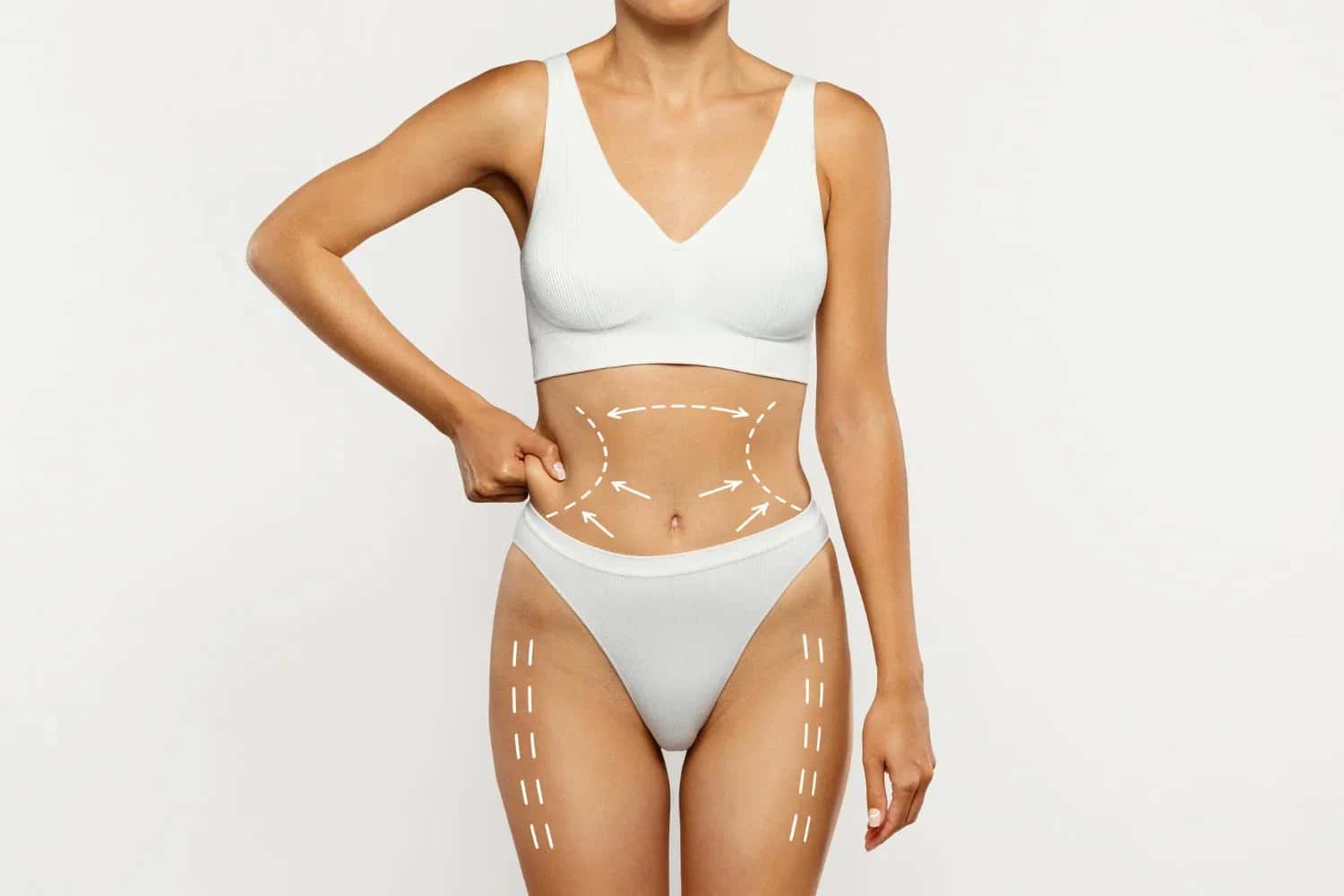
Lipo 360 can cost roughly $3,000 in lower-cost medical tourism markets and more than $15,000 in higher-priced private healthcare systems during 2026.
Subscribe to the Medifinder newsletter and never miss our latest content.