










Gastric Balloon vs GLP-1 Injections
This guide compares Gastric Balloon vs GLP-1 Injections, including weight loss, treatment duration, eligibility, side effects, regain risk, procedure requirements, and long-term maintenance.

- Last updated
- 63 reads
- 8 min read
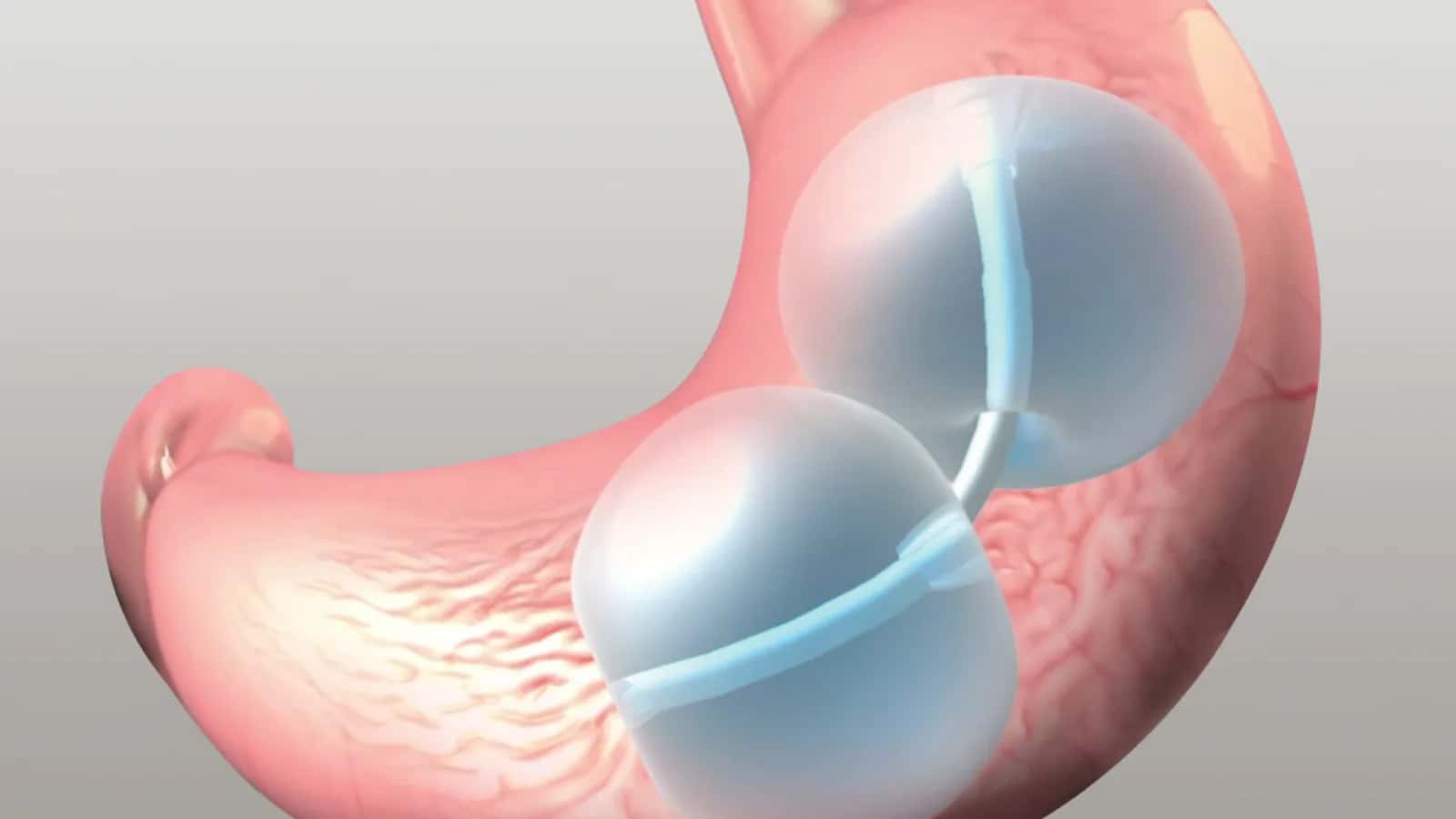


What Is the Difference Between a Gastric Balloon and GLP-1 Injections?
A gastric balloon is a temporary device placed inside the stomach, while GLP-1-based injections are medicines that regulate appetite and metabolic signals throughout treatment.
The balloon occupies stomach space and can delay gastric emptying, helping smaller meals produce earlier fullness. Placement usually requires an endoscopic procedure, and many balloon systems later require endoscopic removal. Injectable medicines work differently by influencing receptors involved in appetite, satiety, digestion, and glucose regulation. Semaglutide activates GLP-1 receptors, while tirzepatide targets both GIP and GLP-1 pathways. Neither approach is bariatric surgery, but their treatment experience and duration differ substantially.
How Do Gastric Balloons and GLP-1 Injections Work?
Gastric balloons reduce available stomach volume mechanically, while GLP-1-based treatments influence appetite and satiety through hormonal signaling.
An intragastric balloon is filled after placement and occupies part of the stomach, helping patients feel full with smaller amounts of food. Some systems also delay gastric emptying. GLP-1 receptor activation increases satiety and reduces energy intake through effects involving the gastrointestinal tract and central appetite pathways. Tirzepatide combines GLP-1 activity with GIP receptor activation. Both approaches still depend on sustainable eating patterns because neither device placement nor medication permanently removes the biological and behavioral drivers of weight regain.
Which Produces More Weight Loss: Gastric Balloon or GLP-1 Injections?
Modern GLP-1-based obesity medicines can produce greater average weight reduction than traditional gastric balloons in separate clinical trials, although these are not direct comparisons.
A major semaglutide trial reported approximately 14.9 percent mean body-weight reduction at 68 weeks in adults without diabetes. Tirzepatide trials reported approximately 15.0 to 20.9 percent at 72 weeks across studied doses. A fluid-filled balloon study reported approximately 10.2 percent weight reduction at six months. Earlier pooled balloon research found about 13.2 percent total body-weight loss at six months for one commonly studied system. Trial populations and designs differ, so these figures should not be interpreted as head-to-head results.
How Quickly Does Weight Loss Happen With Each Treatment?
Both treatments can produce weight loss within the first months, but gastric balloons have a shorter predefined treatment window than long-term injectable medication.
Balloon studies commonly measure substantial weight reduction by six months because many devices are designed for temporary placement. One randomized balloon trial recorded approximately 10.2 percent total body-weight loss at that point. Semaglutide trials demonstrated progressive weight reduction over many months, with weight falling from early treatment assessments through approximately one year. Tirzepatide similarly produced continued reductions across a 72-week treatment period. Faster early change does not necessarily predict better maintenance after either treatment ends.
How Long Does Gastric Balloon Treatment Last Compared With GLP-1 Injections?
Gastric balloons are temporary treatments lasting several months, while GLP-1-based injections are generally used as ongoing treatment when they remain effective and appropriate.
One widely used fluid-filled balloon has a maximum placement period of six months. An adjustable balloon system approved in the United States can remain for up to eight months. The device must then be removed. Obesity injections follow a different model because obesity is treated as a chronic condition. Current semaglutide labeling describes treatment for long-term weight reduction and maintenance. Stopping medication is possible, but significant weight regain frequently follows withdrawal.
Which Treatment Is Less Invasive?
GLP-1 injections are less procedurally invasive because they do not require an endoscope, gastric device placement, sedation, or later balloon removal.
Most injectable treatments are administered subcutaneously on a regular schedule, including once-weekly formulations. Gastric balloon treatment requires a device to enter and remain inside the stomach. Common fluid-filled systems are inserted endoscopically and later removed endoscopically. Adjustable balloons can also require additional endoscopy when their volume is changed. Although balloon placement is described as minimally invasive rather than surgical, it still creates a procedural burden that medication does not. Medication instead requires continuing dosing, monitoring, and tolerance of systemic effects.
What Are the Main Side Effects of Gastric Balloons and GLP-1 Injections?
Both treatments commonly cause gastrointestinal symptoms, although balloon-related symptoms often follow placement while injection-related symptoms frequently appear during dose escalation.
-
Gastric balloon: nausea
-
Gastric balloon: vomiting
-
Gastric balloon: abdominal discomfort
-
Gastric balloon: reflux symptoms
-
GLP-1 treatment: nausea
-
GLP-1 treatment: vomiting
-
GLP-1 treatment: diarrhea
-
GLP-1 treatment: constipation
-
GLP-1 treatment: abdominal discomfort
Balloon intolerance can occasionally require early removal. Injectable gastrointestinal effects are often mild or moderate, but some patients discontinue treatment because symptoms remain troublesome.
What Are the Serious Risks of Gastric Balloons and GLP-1 Injections?
Gastric balloons and GLP-1-based medicines have different uncommon but clinically important risks that should be considered alongside expected weight loss.
Balloon complications can include ulceration, deflation, migration, intestinal obstruction, gastric perforation, spontaneous hyperinflation, and pancreatitis. These events are uncommon but can require urgent device removal or additional treatment. GLP-1-based medicines carry warnings involving acute pancreatitis, gallbladder disease, severe gastrointestinal reactions, and dehydration-related kidney injury. Individual products also have specific contraindications and warnings. Severe persistent abdominal pain or repeated vomiting during either treatment warrants prompt medical assessment rather than routine symptom management.
Who Is Eligible for a Gastric Balloon?
Gastric balloon eligibility depends on the device, with commonly used systems generally intended for selected adults with obesity who have not maintained sufficient weight loss conservatively.
One fluid-filled system is indicated for adults with a BMI from 30 through 40. An adjustable system uses narrower criteria, including BMI 35 through 40 or BMI 30 through 34.9 with qualifying obesity-related conditions. Important exclusions can include previous gastrointestinal or bariatric surgery, active gastrointestinal inflammation, ulcer disease, certain structural abnormalities, and significant reflux-related problems. Device-specific screening is therefore essential because the term gastric balloon covers several systems with different approved indications.
Who Is Eligible for GLP-1 Weight Loss Injections?
GLP-1-based weight-management injections are generally intended for adults with obesity or adults with overweight plus relevant weight-related health conditions.
Exact eligibility depends on the medication label and country. Current semaglutide labeling includes long-term weight reduction for adults with obesity and adults with overweight who have at least one related condition. Tirzepatide weight-management labeling similarly includes adults with BMI at least 30, or at least 27 with a qualifying comorbidity. Contraindications and precautions must also be assessed. Pregnancy, certain endocrine cancer histories, severe gastrointestinal problems, pancreatitis history, diabetes medication interactions, and other medical factors can affect treatment selection.
Which Treatment Has More Evidence for Metabolic Health Benefits?
GLP-1-based medications have broader evidence for metabolic effects beyond weight loss, while gastric balloons mainly improve metabolic markers through achieved weight reduction.
Semaglutide is used for chronic weight management and has additional approved indications in selected patient populations. Tirzepatide trials have demonstrated improvements across several cardiometabolic measurements alongside substantial weight loss. Gastric balloon research also shows improvements in glucose control, blood pressure, triglycerides, and other metabolic markers after treatment. However, a temporary mechanical device does not have the same drug-specific systemic actions or long-term therapeutic indications. This difference can matter when obesity coexists with diabetes or cardiovascular disease.
Is Weight Regain Common After a Gastric Balloon Is Removed?
Weight regain can occur after gastric balloon removal because the mechanical restriction disappears and long-term maintenance again depends on eating patterns and obesity management.
In one randomized trial, balloon recipients lost about 10.2 percent at six months. Weight loss declined to approximately 7.6 percent at twelve months, six months after balloon removal. Another follow-up study also documented partial regain during the year after removal. These results do not mean everyone regains the same amount. They show why balloon programs include dietary and behavioral support extending beyond device removal. A temporary balloon provides a treatment period, not permanent physical restriction.
Is Weight Regain Common After Stopping GLP-1 Injections?
Significant weight regain is common after stopping effective GLP-1-based obesity treatment because appetite regulation and other treatment effects diminish after medication withdrawal.
In an extension study, participants had lost approximately 17.3 percent after 68 weeks of semaglutide treatment. During the following year without treatment, they regained around two-thirds of the weight previously lost. Several cardiometabolic improvements also moved back toward baseline. These findings support treating obesity as a chronic condition rather than expecting a temporary medication course to create permanent biological changes. Maintenance still includes nutrition, activity, and other weight-management strategies even when medication is continued.
Do Gastric Balloons or GLP-1 Injections Work Without Lifestyle Changes?
Neither gastric balloons nor GLP-1-based injections are designed to replace nutrition, physical activity, and behavioral strategies for long-term weight management.
Balloon indications specifically pair the device with supervised dietary and behavioral modification. Obesity medication trials similarly combine pharmacological treatment with reduced-calorie eating and increased physical activity. The intervention can make these changes easier by increasing fullness or reducing appetite, but maintaining weight after treatment still requires an ongoing strategy. This becomes particularly important after a balloon is removed or medication is discontinued. Lifestyle support should therefore be considered part of both treatments rather than an optional addition used only when weight loss slows.
Which Has Better Long-Term Weight Maintenance: Gastric Balloon or GLP-1 Injections?
Ongoing GLP-1-based treatment has stronger evidence for maintaining pharmacologically achieved weight loss, while gastric balloon maintenance becomes more dependent on post-removal management.
This comparison reflects different treatment models rather than a direct long-term trial between the two approaches. A balloon must eventually leave the stomach, so its mechanical effect ends. Some patients maintain meaningful losses afterward, while others regain weight. GLP-1-based medication can continue as chronic treatment when benefits outweigh risks and treatment remains appropriate. However, withdrawal studies show considerable regain after stopping. Neither option creates guaranteed permanent weight loss, making long-term planning important from the beginning.
How Do You Choose Between a Gastric Balloon and GLP-1 Injections?
Choosing between a gastric balloon and GLP-1 injections depends on eligibility, desired treatment duration, medical conditions, gastrointestinal history, procedure tolerance, and long-term maintenance plans.
A balloon offers a temporary, medication-free mechanical intervention after placement but requires a gastrointestinal procedure and eventual removal. GLP-1-based treatment avoids endoscopic placement but requires repeated medication and may continue for years. Expected weight reduction also differs, with modern injectable trials reporting substantial average losses during ongoing treatment. Contraindications can exclude either option before personal preference becomes relevant. The useful comparison is therefore not simply device versus injection, but temporary intervention versus chronic pharmacological obesity management.
- Last updated
- Language
- English
How did you find this article?

This page explains how clinics can become more visible across digital channels, reach the right patient audience, and turn that visibility into sustainable patient communication.
This page explains how doctors can use online marketing to increase digital visibility, reach the right patient audience, build trust, and improve communication processes.

This page explains how hair transplant clinics can improve online visibility, trust, content, SEO, patient communication, and conversion processes through MediFinder.
Subscribe to the Medifinder newsletter and never miss our latest content.