










Cheap Gynecomastia Surgery Risks
Cheap gynecomastia surgery can carry serious risks when a low price comes from poor planning, limited surgeon involvement, weak safety standards, or incomplete aftercare.

- Last updated
- 82 reads
- 8 min read
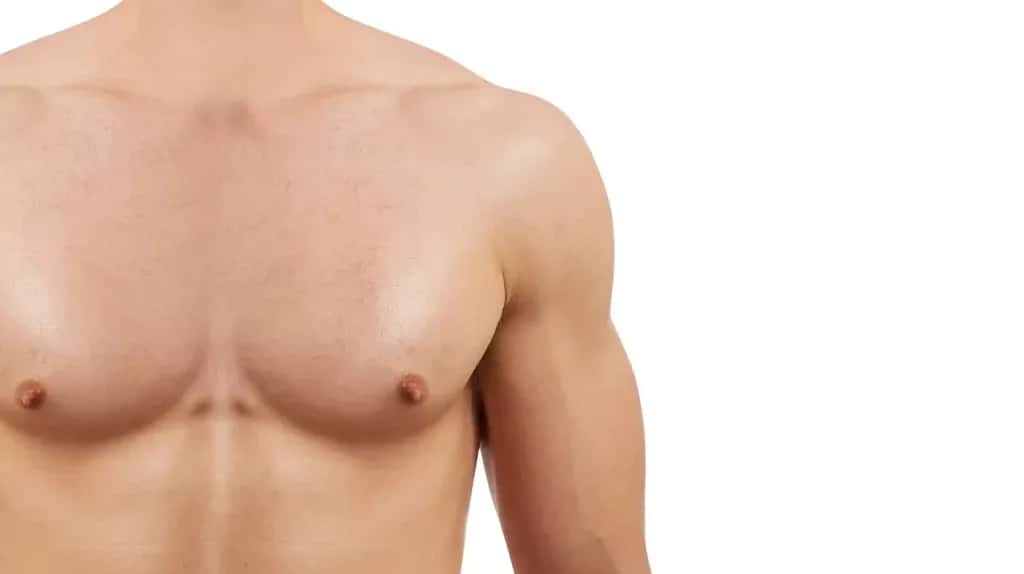


Cheap gynecomastia surgery carries significant risks, primarily including severe infections, large hematomas, and permanent contour irregularities. Low-cost clinics often cut expenses by using less experienced surgeons or inadequate facilities. This greatly increases the dangerous possibility of prominent scarring and noticeable breast asymmetry. Patients frequently experience temporary or permanent loss of nipple sensation after poorly performed operations. In rare cases, surgical instruments can damage deeper structures like nerves and muscles. You might also face fluid accumulation requiring additional drainage procedures. Ultimately, correcting surgical mistakes with revision surgery costs far more than the initial savings. Always prioritize certified surgeons over discounted prices to protect your overall health.
Gynecomastia is the enlargement of male breast tissue. It may involve glandular tissue, excess fat, loose skin, or a combination of all three. Some patients need only liposuction, while others need gland removal, skin tightening, nipple repositioning, or revision work. Because every chest is different, a safe surgical plan should be based on anatomy, skin quality, breast tissue type, hormone history, body weight, and personal goals.
The main problem with cheap gynecomastia surgery is not affordability itself. A fair price can be safe when the operation is performed by a qualified surgeon in a proper medical setting. The real concern is bargain surgery that cuts important steps. If the consultation is brief, the clinic avoids medical screening, the operating room is not properly equipped, or the patient receives vague aftercare instructions, the lower price may create higher physical, emotional, and financial costs later.
Why Patients Look for Cheap Gynecomastia Surgery?
Many men seek affordable gynecomastia surgery because the condition can affect confidence, clothing choices, posture, exercise habits, and social comfort. Some avoid fitted shirts, swimming, changing rooms, or intimate situations. Surgery can offer a flatter chest and a more balanced upper body contour when the treatment is planned correctly.
Cost becomes a major concern because gynecomastia surgery is often treated as an elective procedure. Insurance may not cover it unless there is a clear medical reason, pain, or documented functional concern. This leads many patients to compare clinics, cities, countries, and payment options.
Looking for a lower price is understandable. However, choosing only by price can be dangerous. A safe result depends on surgeon skill, correct diagnosis, sterile technique, proper anesthesia, realistic tissue removal, and follow-up care. These are not optional extras. They are the foundation of safe surgery.
The Biggest Risks of Cheap Gynecomastia Surgery
The most common risks of gynecomastia surgery include bleeding, fluid collection, infection, swelling, bruising, scarring, chest asymmetry, contour irregularities, and changes in nipple sensation. These risks can occur even with excellent care, but poor technique or weak aftercare can make them more likely.
Hematoma is one of the important early risks. It happens when blood collects under the skin after surgery. A small amount of bruising is normal, but a larger collection may create pressure, pain, swelling, and uneven healing. In some cases, urgent treatment may be needed.
Seroma is a collection of fluid under the skin. It may cause swelling, tightness, or a soft pocket of fluid. Some seromas resolve with compression and monitoring, while others may need drainage.
Infection is another concern. Any surgical incision can become infected, especially when sterile standards are poor or wound care instructions are not followed. Infection can delay healing, worsen scarring, and affect the final chest shape.
Contour problems are especially common in poorly planned surgery. Removing too much tissue can create a sunken area under the nipple. Removing too little tissue can leave residual fullness. Uneven liposuction can create dents, ridges, waves, or one side that looks different from the other.
Poor Diagnosis Can Lead to Poor Results
Cheap gynecomastia surgery may fail when the clinic does not properly identify what is causing the chest fullness. True gynecomastia involves glandular tissue. Pseudogynecomastia is mainly fat. Many patients have both. Liposuction can remove fat, but it cannot fully remove firm gland tissue behind the nipple. If glandular tissue is left behind, the chest may still look puffy after surgery.
On the other hand, aggressive gland removal can create a hollow or crater-like appearance. This can be difficult to correct. Revision surgery may require fat grafting, scar release, or additional contour work.
A proper consultation should include physical examination, medical history, medication review, weight history, hormone-related questions, and discussion of symptoms such as pain, tenderness, nipple discharge, or sudden one-sided growth. If the enlargement is new, painful, rapidly changing, or uneven, further medical evaluation may be needed before surgery.
Surgeon Experience Matters
Gynecomastia surgery requires judgment. The surgeon must decide how much fat to remove, how much gland to remove, where to place the incision, how to protect the nipple, and how to create a smooth transition across the chest. These decisions affect the final result.
An inexperienced provider may treat every patient the same way. This can lead to over-resection, under-resection, visible scars, nipple distortion, or poor symmetry. The male chest has a different shape from the female breast, and the goal is usually a flatter, firmer, more masculine contour. That requires careful planning.
A cheap offer may involve limited surgeon participation, with key steps delegated to less experienced staff. Patients should ask who performs the consultation, who marks the chest, who removes the gland, who performs liposuction, and who handles complications. The answers should be clear before any deposit is paid.
Anesthesia and Facility Risks
Gynecomastia surgery may be performed under local anesthesia, sedation, or general anesthesia, depending on the case. Mild cases may be suitable for local anesthesia. More complex cases with liposuction, gland removal, or skin reduction may need deeper anesthesia.
Cheap surgery can become risky when anesthesia support is inadequate or the facility is not prepared for emergencies. A safe surgical setting should have monitoring equipment, trained staff, emergency medication, sterile instruments, and a clear plan for unexpected problems.
Patients should ask where the operation will be performed. A licensed surgical center or hospital setting generally offers stronger safety support than an unclear treatment room. The cost may be higher, but the added safety can be worth it.
Scarring and Skin Problems
Scars are a normal part of surgery, but poor incision placement or poor wound care can make scars more visible. Gynecomastia incisions are often placed around the edge of the areola or in areas that can be hidden naturally. In larger cases, additional skin removal may require longer scars.
Cheap gynecomastia surgery may increase scar risk if the closure is rushed, tension is high, or the patient receives weak aftercare. Smoking, poor nutrition, infection, and early heavy activity can also worsen scarring.
Skin retraction is another issue. After tissue removal, the skin must shrink and settle over the new chest shape. Younger patients with elastic skin often do better. Patients with major weight loss, older skin, or severe gynecomastia may need skin tightening or skin removal. If this is ignored to keep the price low, the result may include loose skin, folds, or sagging.
Nipple Sensation Changes
Temporary numbness or sensitivity changes can happen after gynecomastia surgery. In many cases, sensation improves over time, but some changes may last longer. The risk can be higher when gland removal is extensive or when the nipple area is heavily manipulated.
Cheap surgery may increase this risk if tissue is removed aggressively or without careful handling. The nipple and areola need good blood supply and nerve protection. In rare cases, poor blood flow can lead to skin damage or partial tissue loss. This is uncommon, but it is a serious complication that should be discussed before surgery.
Revision Surgery Can Cost More
One of the hidden risks of cheap gynecomastia surgery is the cost of correction. If the first operation leaves uneven tissue, crater deformity, loose skin, poor scars, or persistent puffiness, revision surgery may be needed. Revision surgery is often more difficult than the first procedure because scar tissue changes the anatomy.
A patient who chooses the lowest price may later pay more for correction, travel, time away from work, new tests, anesthesia, and recovery. Some results cannot be fully corrected. This is why the first surgery should be planned carefully.
Affordable surgery should still include a realistic consultation, clear surgical plan, safe facility, and proper follow-up. Saving money at the wrong stage can lead to long-term regret.
Warning Signs Before Booking
Patients should be cautious if a clinic promises perfect results, offers the same procedure to everyone, refuses to explain risks, avoids showing similar cases, or pressures the patient to book quickly. Another warning sign is vague pricing. A reliable estimate should explain what is included and what may cost extra.
The patient should also be careful with very high graft-style or volume-style claims in body procedures. Gynecomastia surgery is not about removing the maximum amount of tissue. It is about removing the right amount while protecting the chest shape.
Poor communication is also a red flag. If the clinic cannot explain anesthesia type, surgeon involvement, recovery steps, compression garment use, emergency contact, and follow-up schedule, the low price may not be worth it.
What a Safe Price Should Include?
A safe gynecomastia surgery price should include more than the operation. It should account for consultation, medical review, surgical planning, anesthesia, facility use, sterile equipment, compression garment, medication guidance, follow-up visits, and support if concerns develop.
Some clinics charge separately for garments, blood tests, medication, or revision visits. This is not automatically wrong, but the patient should know in advance. Transparent pricing helps prevent confusion and allows fair comparison between providers.
If treatment is done abroad, the full budget should also include flights, hotel, meals, transfers, travel insurance, extra recovery days, and possible follow-up care after returning home.
How to Reduce Cost Without Increasing Risk?
Patients can look for affordable gynecomastia surgery without choosing unsafe care. One option is to compare several qualified surgeons rather than booking the first low offer. Another option is to consider a lower-cost city where medical standards remain strong.
Payment plans may also help. Some clinics allow patients to spread the cost over time. This can be safer than choosing a poorly equipped clinic only because it is cheaper upfront.
Patients can also reduce risk by preparing well. Stop nicotine if advised, manage weight, avoid blood-thinning medications when instructed, follow nutrition guidance, arrange recovery support, and wear the compression garment as directed. Good preparation can improve healing and reduce avoidable problems.
Recovery Risks After Cheap Surgery
Recovery is a major part of the final result. Patients usually need to avoid heavy lifting, intense exercise, swimming, and chest pressure for a period recommended by the surgeon. Compression garments help control swelling and support the new contour.
Cheap surgery may come with poor follow-up, which can leave patients unsure about swelling, pain, drainage, or wound changes. This can delay treatment if a complication develops.
Patients should know when to seek medical help. Severe pain, sudden swelling, fever, spreading redness, chest pain, breathing difficulty, fainting, heavy bleeding, or foul-smelling drainage should be treated seriously.
- Last updated
- Language
- English
How did you find this article?
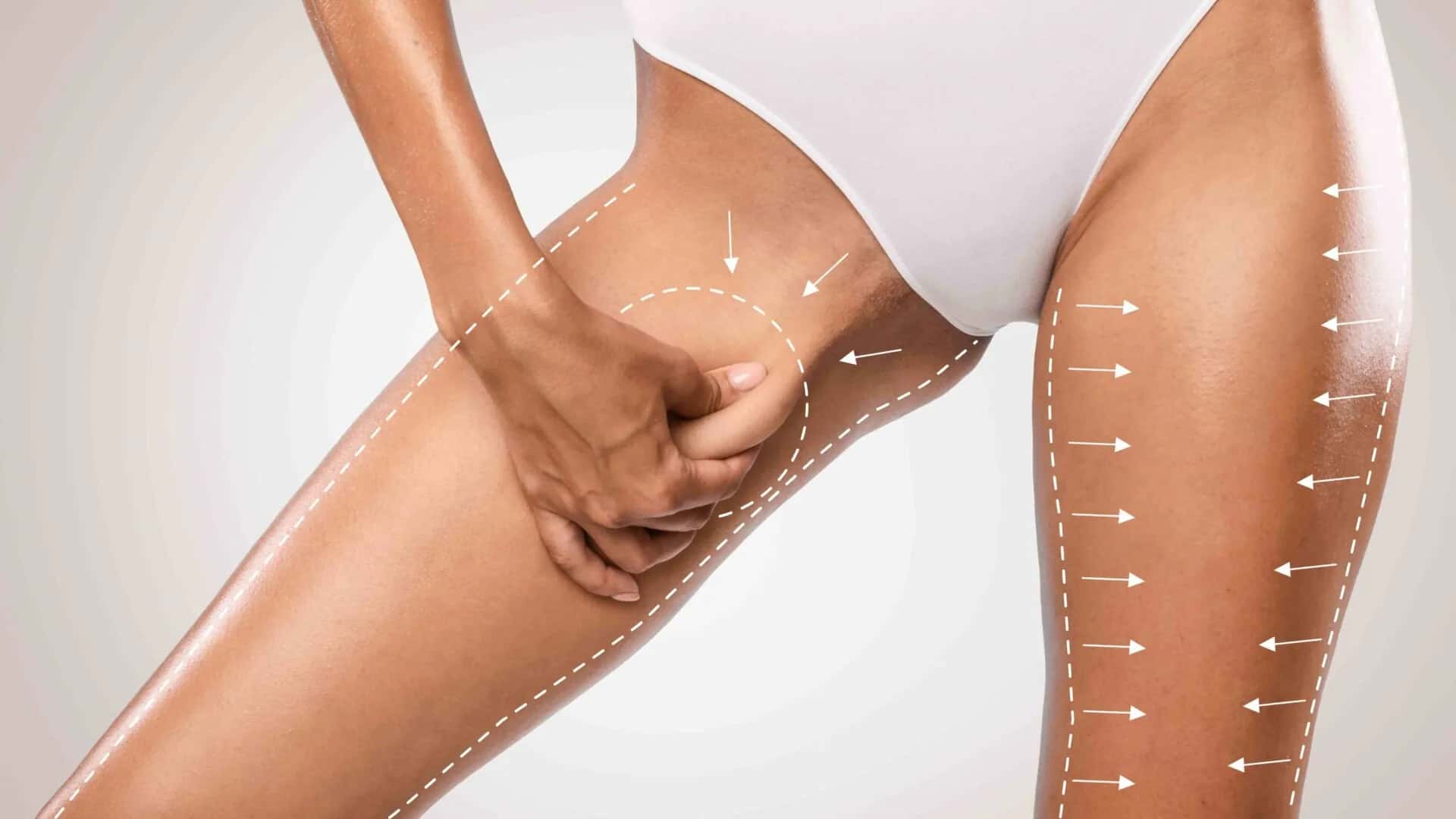
Thigh lift surgery can cost from roughly $2,000 in lower-cost private healthcare markets to more than $15,000 for extensive treatment in higher-priced countries during 2026. Also known as thighplasty, the procedure removes excess skin and reshapes the thighs, particularly after major weight loss.
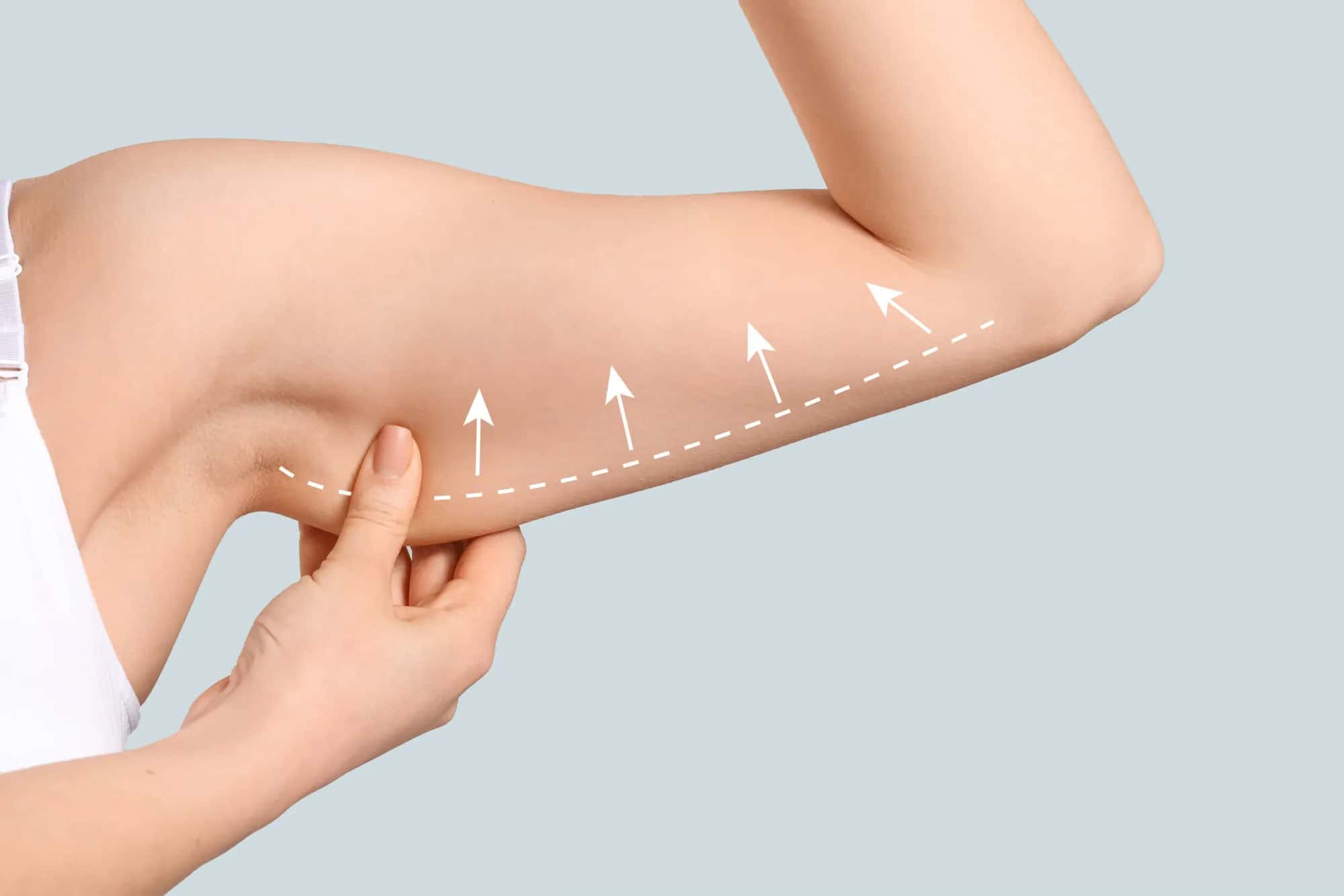
Arm lift surgery can cost from roughly $2,500 in lower-cost private healthcare markets to well above $15,000 for more extensive treatment in expensive countries during 2026. Also called brachioplasty, the operation removes excess upper-arm skin and reshapes tissue.

Lipo 360 can cost roughly $3,000 in lower-cost medical tourism markets and more than $15,000 in higher-priced private healthcare systems during 2026.
Subscribe to the Medifinder newsletter and never miss our latest content.