









Belly Button Surgery (Umbilicoplasty): What Is It? Costs
This guide explains umbilicoplasty, including how belly button surgery works, costs, recovery, scars, treatment options, risks, and long-term results.

- Last updated
- 106 reads
- 8 min read


What Is Umbilicoplasty?
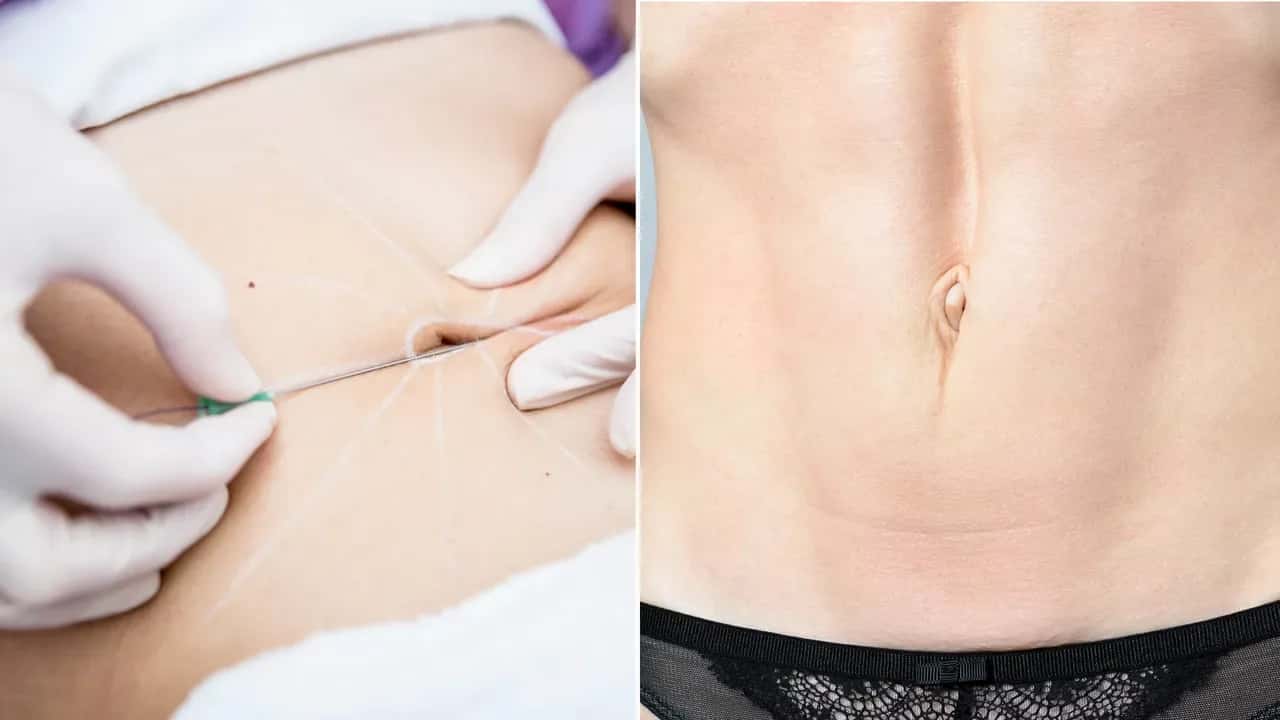
Umbilicoplasty is a surgical procedure that changes the size, shape, depth, or overall appearance of the belly button.
Also known as belly button surgery, it reshapes existing skin and tissue around the navel rather than changing the entire abdomen. The procedure can create a smaller opening, improve asymmetry, reshape an elongated navel, or correct selected changes after pregnancy. It may also improve scars left by previous piercings or abdominal procedures. Umbilicoplasty can be performed alone or during another abdominal operation. When completed as an isolated cosmetic procedure, treatment is usually limited to the immediate area surrounding the belly button.
What Can Umbilicoplasty Change?
Umbilicoplasty can reshape several visible features of the belly button when the concern comes primarily from skin and soft tissue around the navel.
Common changes include:
-
Reducing an unusually wide belly button
-
Creating a more vertical or oval appearance
-
Changing selected outie features toward an innie contour
-
Correcting asymmetry around the navel
-
Improving stretched tissue after pregnancy or weight changes
-
Revising scars caused by previous piercings
-
Improving distortion after earlier abdominal surgery
-
Reconstructing selected irregularities around the umbilicus
The operation focuses on appearance, while an underlying abdominal wall defect requires separate assessment and repair.
Why Do People Have Belly Button Surgery?
People choose belly button surgery to improve changes in navel shape caused by natural anatomy, pregnancy, weight fluctuations, piercings, scars, or previous surgery.
Pregnancy can stretch abdominal skin and make a previously small navel appear wider or flatter. Major weight changes can create similar effects as surrounding tissue becomes looser. Piercings may leave stretched holes or scars that distort the upper edge of the belly button. Some people simply have a naturally prominent or irregular navel that they want reshaped. Umbilicoplasty addresses these localized concerns without necessarily requiring extensive abdominal contouring when the surrounding abdomen does not need treatment.
How Is Umbilicoplasty Performed?
Umbilicoplasty is performed through small incisions around or inside the belly button, allowing selected skin and tissue to be removed, repositioned, and sutured.
The exact incision pattern depends on the shape being corrected. Excess tissue can be removed when the navel appears too wide or prominent. Internal sutures may create greater depth or help establish a more defined contour. The remaining edges are then carefully closed to create the planned shape. Local anesthesia is often sufficient for a limited procedure, although more extensive surgery can require additional anesthesia. Isolated umbilicoplasty generally allows the patient to return home after the procedure.
Can an Outie Belly Button Be Changed to an Innie?
An outie belly button can sometimes be changed to an innie with umbilicoplasty when the protrusion comes from the shape of the navel tissue itself.
Surgery can remove or rearrange prominent tissue and create an inward depression that produces a more recessed appearance. However, some outie belly buttons result from an umbilical hernia rather than cosmetic tissue shape. A hernia occurs when abdominal contents push through a weakness in the abdominal wall. In that situation, reshaping the skin alone does not correct the underlying problem. Hernia repair addresses the structural opening, while additional umbilical reshaping can refine the final navel appearance.
What Is the Difference Between Umbilicoplasty and Umbilical Hernia Repair?
Umbilicoplasty reshapes the appearance of the belly button, while umbilical hernia repair closes a defect in the abdominal wall beneath the navel.
A cosmetic umbilicoplasty mainly changes skin and superficial tissue around the belly button. Hernia surgery instead returns protruding tissue to the abdomen and closes the opening through which it escaped. Sutures may close a small defect, while larger hernias can require surgical mesh for additional reinforcement. Both procedures can sometimes be performed together when a patient has a hernia and also wants the navel reshaped. Treating only the external appearance does not repair an existing abdominal wall defect.
What Is the Difference Between Umbilicoplasty and a Tummy Tuck?
Umbilicoplasty reshapes the belly button itself, while a tummy tuck removes excess abdominal skin and can tighten weakened abdominal muscles.
An isolated umbilicoplasty leaves most abdominal skin and tissue unchanged. A tummy tuck involves a much larger treatment area and usually requires an incision across the lower abdomen. During traditional abdominoplasty, the original belly button commonly remains attached to deeper tissue while surrounding skin is repositioned. A new opening is then created so the navel can emerge through the tightened abdominal skin. Umbilical reshaping may therefore form part of a tummy tuck, but standalone umbilicoplasty is a considerably smaller procedure.
How Long Does Umbilicoplasty Take?
Umbilicoplasty usually takes approximately one hour, although more detailed reconstruction can extend the procedure toward two hours.
A straightforward correction may involve limited tissue removal and several carefully positioned sutures. More complex scar revision or navel reconstruction can require additional surgical work. Treatment performed with a tummy tuck or hernia repair also takes considerably longer because those procedures involve structures beyond the belly button. Isolated umbilicoplasty is commonly completed as outpatient surgery, so routine overnight hospitalization is generally unnecessary. Preparation and postoperative observation make the total visit longer than the operation itself, even when the surgical portion remains relatively brief.
How Much Does Umbilicoplasty Cost?
Umbilicoplasty in the United States commonly costs approximately $2,000 to $5,000, although some complete cosmetic procedures can reach $7,000 or more.
Recent national pricing data place the average around $2,646, with a reported range of approximately $2,061 to $5,037. Another patient-reported dataset lists an average near $4,875 and a broader range between $2,500 and $7,800. These figures differ because some prices include more components of treatment than others. Combining belly button surgery with a tummy tuck, scar revision, or another abdominal procedure can substantially increase the total cost beyond standalone umbilicoplasty.
What Is Included in Umbilicoplasty Cost?
Umbilicoplasty cost can include the surgical fee, anesthesia, treatment facility expenses, consultation, medical supplies, medications, and postoperative appointments.
The advertised price may represent the complete procedure or only one component of treatment. Local anesthesia usually costs less than deeper sedation or general anesthesia. Operating facility charges can also influence the final total when surgery takes place outside a standard office procedure room. Follow-up visits and suture removal may already be included within some surgical fees. Combining umbilicoplasty with abdominal contouring or hernia repair adds further expenses because the operation becomes larger. Comparing complete treatment costs therefore provides more useful information than comparing a single surgical fee.
Does Insurance Cover Umbilicoplasty?
Health insurance generally does not cover cosmetic umbilicoplasty, although medically necessary treatment for an umbilical hernia may qualify for coverage.
Changing the shape or size of a healthy belly button is usually considered an elective cosmetic procedure. Patients therefore typically pay for isolated aesthetic umbilicoplasty themselves. The situation differs when a diagnosed hernia causes pain, enlargement, functional concerns, or another medical problem requiring repair. Insurance may cover the medically necessary hernia operation according to the applicable policy. Cosmetic reshaping performed alongside the repair can remain a separate expense. Coverage should therefore distinguish abdominal wall repair from optional changes made purely to the navel appearance.
Is Belly Button Surgery Painful?
Belly button surgery usually causes mild soreness, tenderness, and tightness after the procedure rather than severe or prolonged postoperative pain.
Local or general anesthesia prevents pain while the surgical tissue is being reshaped. Once anesthesia wears off, the treated area can feel sensitive during bending, stretching, coughing, or other abdominal movements. Mild swelling and bruising can contribute to discomfort during the first several days. Simple pain medication is often sufficient following an uncomplicated isolated procedure. Significant or worsening pain is not a typical recovery feature. Increasing discomfort accompanied by redness, unusual drainage, fever, or excessive swelling can indicate infection or another complication that requires medical assessment.
What Is Umbilicoplasty Recovery Like?
Umbilicoplasty recovery is usually relatively short, with most people returning to light daily activities within several days while the navel continues healing.
Mild bruising, swelling, tenderness, and tightness can appear around the surgical area initially. The incision needs to remain clean and protected while the skin closes. Non-dissolving sutures may be removed after approximately seven to ten days. Many people can return to nonphysical work within one or two days following a straightforward procedure. Strenuous exercise should generally remain limited for around two weeks because abdominal movement can place tension on healing tissue. The belly button continues refining long after normal activities resume.
Does Umbilicoplasty Leave a Scar?
Umbilicoplasty leaves a surgical scar, although incisions are usually positioned within or around the natural belly button contours to make them less noticeable.
Because the navel already contains folds, shadows, and natural changes in skin direction, these features can help conceal a well-positioned incision. Early scars may appear pink, firm, or darker than surrounding skin before gradually fading. Scar maturation continues for several months and can extend toward a year. Previous piercing scars may also influence the final appearance because existing tissue has already undergone healing changes. Umbilicoplasty can improve an unwanted scar, but replacing it with completely scar-free skin is not possible.
What Are the Risks of Umbilicoplasty?
Umbilicoplasty carries potential risks involving infection, bleeding, scarring, wound healing, asymmetry, tissue loss, and dissatisfaction with the final belly button shape.
Minor surgery still creates a wound that must heal predictably. Infection can cause increasing redness, warmth, pain, or abnormal drainage. Excessive scar formation can change the planned contour, while uneven tissue healing can create asymmetry. Removing too much tissue can make later correction more difficult. Blood supply is particularly important during reconstruction because inadequate circulation can damage umbilical tissue. Additional risks arise when surgery occurs alongside more extensive abdominal procedures. Revision surgery may be required when healing produces an unwanted shape or significant irregularity.
Are Umbilicoplasty Results Permanent?
Umbilicoplasty results are generally long lasting because surgery permanently removes or rearranges tissue to create a new belly button contour.
The corrected navel does not normally return spontaneously to its previous shape after complete healing. However, future pregnancy can stretch the surrounding abdominal skin and alter the result. Major weight gain or weight loss can create similar changes by modifying skin tension around the navel. Aging also gradually affects abdominal skin elasticity. For these reasons, people planning pregnancy or substantial weight changes may prefer to delay cosmetic umbilicoplasty. When body weight remains stable and no major abdominal changes occur, the reshaped belly button can maintain its appearance for many years.
- Last updated
- Language
- English
How did you find this article?

Liposuction has become part of a more open conversation about cosmetic surgery, with celebrities discussing everything from subtle body contouring to difficult recoveries and results they later regretted. These 20 public figures have personally acknowledged undergoing liposuction, offering different perspectives.

Many actors, models, musicians and television personalities have spoken openly about having rhinoplasty, some for cosmetic reasons and others to repair an injury or improve their breathing. This guide looks at what 20 of these celebrities said about their own nose surgery and what their experiences can teach anyone.
Several well-known musicians, reality stars and influencers have spoken openly about having a Brazilian butt lift, and many of them have also shared regret, reduction surgery or difficult recoveries. This guide looks at what these celebrities said about their own procedures and what their experiences can teach anyone.
Subscribe to the Medifinder newsletter and never miss our latest content.