










Bariatric Surgery in Turkey
When you choose bariatric surgery in Turkey, the medical procedure does not fundamentally differ from the surgery offered elsewhere.

- Last updated
- 109 reads
- 10 min read



For people who have spent years dealing with severe obesity, bariatric surgery can represent far more than a change in appearance. It may open the door to easier movement, improved daily comfort and better control of obesity-related health problems. Turkey has become a prominent destination for patients researching weight-loss surgery abroad, thanks to its wide hospital network, internationally focused medical services and treatment packages designed around overseas visitors. Yet the decision requires more than choosing an attractive price or booking a flight to Istanbul. You need to understand the procedure, assess the surgeon, examine the hospital and make sure that proper follow-up will continue after you return home.
What Is Bariatric Surgery in Turkey?
Bariatric surgery, also known as metabolic or weight-loss surgery, changes the digestive system to support significant and lasting weight reduction. Depending on the operation, the surgeon may reduce the size of the stomach, reroute part of the small intestine or combine both approaches.
When you choose bariatric surgery in Turkey, the medical procedure does not fundamentally differ from the surgery offered elsewhere. The international element changes the wider experience. You may complete the initial assessment remotely, travel to a Turkish hospital for tests and surgery, stay in the country during early recovery and continue follow-up from home.
Most bariatric operations use laparoscopic techniques. The surgeon operates through several small incisions while viewing the abdominal area with a camera. This approach can reduce pain and scarring and may support a faster recovery than traditional open surgery, although some patients still require an open operation because of previous surgery or complex health conditions.
Why Patients Consider Turkey for Weight-Loss Surgery
Turkey actively supports international healthcare services through hospitals, private medical groups and dedicated international patient departments. The official HealthTürkiye system highlights factors such as treatment costs, transport connections, medical technology, multilingual services and qualified healthcare professionals when presenting the country to overseas patients.
Convenience also plays a role. International patient teams may coordinate consultations, hospital admission, interpreting, local transfers and accommodation. For someone arranging surgery from another country, having these services under one plan can remove much of the administrative pressure.
Price remains an important attraction, but it should not lead the decision. The real value of a bariatric package depends on the surgeon’s experience, the hospital’s clinical resources, the quality of the preoperative assessment and the support available after discharge. A lower figure offers little benefit when the package leaves out essential tests, dietetic care or complication management.
Which Bariatric Procedures Are Available?
Sleeve gastrectomy remains one of the most widely discussed options. During this operation, the surgeon removes most of the stomach and leaves a narrow, sleeve-shaped section. The smaller stomach limits meal size and can also influence appetite-related processes. Because the surgeon permanently removes part of the stomach, the procedure cannot simply be reversed.
Gastric bypass creates a small stomach pouch and connects it to a lower section of the small intestine. Food bypasses most of the stomach and the first part of the intestine. This operation affects both food intake and nutrient absorption, which makes long-term monitoring and supplementation especially important.
Some Turkish bariatric clinics also advertise mini gastric bypass, duodenal switch and metabolic surgery. More complex procedures may produce greater weight loss for selected patients, but they can also carry a higher risk of nutritional deficiencies and other complications. The doctor should recommend an operation only after reviewing your medical history, eating patterns, reflux symptoms, previous abdominal surgery and long-term needs.
You may also see gastric balloon treatments advertised alongside bariatric surgery. A balloon does not involve the same permanent surgical changes. A doctor places it in the stomach temporarily to reduce available space. It suits a different group of patients and requires its own assessment, expectations and follow-up plan.
Who May Be Suitable for Bariatric Surgery?
A surgeon should never approve bariatric surgery through a brief sales conversation. The assessment needs to consider body mass index, obesity-related conditions, previous weight-loss attempts, medication use, mental well-being and your ability to follow the postoperative programme.
Common clinical criteria may include a BMI of 40 or above, a BMI of at least 35 with a serious obesity-related condition, or a lower BMI in selected people with difficult-to-control type 2 diabetes. These figures provide a general framework rather than an automatic approval. Your surgeon and multidisciplinary team must decide whether the expected benefits justify the risks in your particular case.
A complete assessment may involve a bariatric surgeon, internal medicine doctor, anesthesiologist, dietitian and mental health professional. This team checks whether you can safely undergo anesthesia, identifies nutritional deficiencies and helps you prepare for the permanent eating changes that follow surgery.
A responsible clinic may delay or decline surgery when it finds an uncontrolled medical condition, untreated eating disorder, active substance problem or another factor that could make the operation unsafe. That decision protects you; it does not represent poor service.
How to Choose a Bariatric Clinic in Turkey
Start with the surgeon rather than the travel package. Ask for the surgeon’s full name, specialty and experience with the exact procedure under consideration. A doctor who regularly performs sleeve gastrectomy may not have the same depth of experience with revision surgery or a duodenal switch.
You should also confirm where the operation will take place. Bariatric surgery belongs in a properly equipped hospital with anesthesia services, inpatient monitoring, imaging, laboratory support and the ability to respond to emergencies. A consultation office or medical tourism agency may coordinate your trip, but the licensed hospital provides the operation.
Turkey’s current international health-tourism rules require healthcare facilities and intermediary organisations working in this field to hold the relevant authorization certificate. The rules also require international patient units and include provisions for coordination, interpreting, billing and the registration of overseas patients. Before paying a deposit, ask the provider for its authorization details and verify the hospital rather than relying on a logo displayed on social media.
What a Bariatric Surgery Package Should Explain
An overseas package should give you clarity, not simply a single total. Request a written quotation that names the operation, surgeon and hospital. It should explain whether the price includes preoperative tests, anesthesia, hospital nights, medication, compression garments, dietitian consultations, airport transfers, interpreting and hotel accommodation.
Ask what will happen if the medical team changes the operation after your face-to-face assessment. You should also know whether the clinic charges separately for an extended hospital stay, additional imaging, blood products or treatment of a complication.
Turkish regulations require authorized intermediary organisations to provide detailed fee information for services such as accommodation, transport, transfers, interpreting and consultation. That breakdown helps you separate the medical cost from the travel arrangements.
You should budget for flights, meals for a companion, travel insurance and possible changes to your return date. Standard travel insurance may exclude planned surgery and related complications, so examine the policy rather than assuming that ordinary holiday cover will apply.
The Hospital Stay Is Only the Beginning
Bariatric surgery requires active participation long after the operating room. During the first days, the medical team monitors hydration, pain, mobility and the surgical sites. You will normally move through a staged diet, beginning with liquids and gradually introducing different textures according to the surgeon and dietitian’s instructions.
Walking soon after surgery can form part of the recovery plan, but you should follow the clinical team’s guidance rather than setting your own exercise schedule. The hospital should explain how to manage medication, protect the incisions and recognise warning signs before discharge.
Ask how long you need to remain in Turkey. The answer depends on the procedure, your health and your recovery. A fixed return date chosen before medical assessment may create unnecessary pressure. Allow enough time for a postoperative examination and make sure the surgeon agrees that you can travel.
Risks Deserve a Direct Conversation
Every bariatric operation carries risks. Early problems may include bleeding, infection, blood clots or a leak from a stapled or joined section of the digestive system. Later issues can include narrowing, hernias, gallstones and shortages of iron, vitamins or other nutrients. Some patients need further procedures or hospital treatment after the original operation.
A trustworthy surgeon will discuss these possibilities without using fear or minimising them. Ask how the hospital detects a leak, what emergency resources it has and who pays for additional care when a complication extends your stay.
You should also receive clear emergency instructions for the period after you return home. Persistent vomiting, worsening abdominal pain, breathing difficulty, fever, rapid heartbeat or an inability to drink may require urgent medical attention. Do not wait for a reply to a routine message when symptoms feel severe.
Long-Term Follow-Up Should Shape Your Decision
Bariatric surgery changes how you eat, drink and absorb nutrients. It does not work as a one-day solution. Your long-term plan may include protein targets, vitamin and mineral supplements, regular blood tests, physical activity and continued support for eating habits.
Follow-up usually occurs frequently during the first year and should continue throughout life. Annual bariatric reviews help the medical team monitor nutrition, weight changes and obesity-related health conditions.
This point becomes especially important when you travel abroad. Ask the Turkish clinic how it conducts remote reviews and whether you will speak with the surgeon, dietitian or coordinator. Find out which blood tests you will need and how often you should complete them. You should also identify a doctor or bariatric service in your own country that can support ongoing care.
A clinic that stops responding after the flight home leaves a major gap in the treatment pathway. Before booking, test the communication process. Ask a clinical question and note whether you receive a specific, medically useful answer or only a sales response.
Finding Bariatric Clinics Through MediFinder
Researching bariatric surgery in Turkey becomes easier when you can compare healthcare providers in a consistent format. MediFinder allows users to search for bariatric and metabolic surgery clinics, hospitals and doctors in locations including Istanbul, Ankara, Antalya and Izmir.
Depending on the profile, you may find the provider’s treatment categories, team members, address, working hours, accessibility features, social links and contact options. Some Turkish profiles list sleeve gastrectomy, gastric bypass, mini gastric bypass, duodenal switch and gastric balloon services separately, helping you identify clinics that publish information relevant to your search.
A detailed profile can help you create a shortlist, but it should not replace medical verification. Contact the clinic, request the surgeon’s information, confirm the operating hospital and check the provider’s authorization before committing financially.
A Successful Journey Starts With Better Questions
Turkey offers international patients access to a broad selection of hospitals, surgeons and bariatric procedures. That choice can work in your favour, provided that you compare the right details.
Do not judge a clinic only by its hotel, transfer vehicle or before-and-after images. Examine the medical assessment, surgeon involvement, hospital resources, complication plan and long-term nutritional support. Ask for every promise in writing and give yourself time to understand the operation.
Bariatric surgery can create a powerful opportunity for change, but the procedure still demands preparation and lifelong commitment. When you choose a qualified team and build a realistic follow-up plan, the treatment journey becomes more than a short medical trip—it becomes the beginning of structured, long-term care.
Frequently Asked Questions
What is the most common bariatric surgery in Turkey?
Many Turkish providers offer sleeve gastrectomy and gastric bypass. Some also perform mini gastric bypass, duodenal switch and revision operations. The most appropriate procedure depends on your health, BMI, reflux symptoms, previous surgery and long-term nutritional needs.
How long should I stay in Turkey after bariatric surgery?
The required stay varies according to the operation and your recovery. Your surgeon should confirm the travel plan after assessing you. Leave enough time for hospital care and at least one postoperative examination before flying home.
Is bariatric surgery in Turkey suitable for everyone?
No. A medical team must assess your BMI, obesity-related conditions, previous weight-loss efforts, general health and ability to follow lifelong dietary and medical guidance. Surgery may not suit you when certain conditions remain uncontrolled.
How can I check whether a Turkish hospital treats international patients legally?
Ask for the International Health Tourism Authorization Certificate and verify the provider through official Turkish health-tourism channels. Confirm both the coordinating company and the hospital where the operation will take place.
What should an all-inclusive package contain?
A package may cover surgery, anesthesia, hospital accommodation, tests, medication, dietitian support, hotel nights, interpreting and local transfers. Providers define “all-inclusive” differently, so request a written, itemised quotation.
Will I need vitamins after bariatric surgery?
Many patients need prescribed vitamin and mineral supplements, particularly after procedures that affect nutrient absorption. Your requirements depend on the operation and blood-test results. Follow the bariatric team’s plan rather than choosing supplements without medical advice.
Can I return to normal eating after the operation?
You will usually follow a staged diet and introduce foods gradually. Portion sizes and eating habits will change permanently. A dietitian should explain fluid intake, protein, meal timing and foods that may cause discomfort.
How can MediFinder help with bariatric surgery research?
MediFinder lets you explore Turkish clinics and hospitals that publish bariatric treatment categories, team details, locations, working hours and contact options. You can use this information to build a shortlist before requesting consultations and verifying providers.
Does bariatric surgery guarantee permanent weight loss?
No operation guarantees a specific lifelong result. Surgery can support substantial weight reduction, but long-term outcomes also depend on nutrition, activity, medical follow-up and the management of obesity as a chronic condition.
Source:
- Last updated
- Language
- English
How did you find this article?
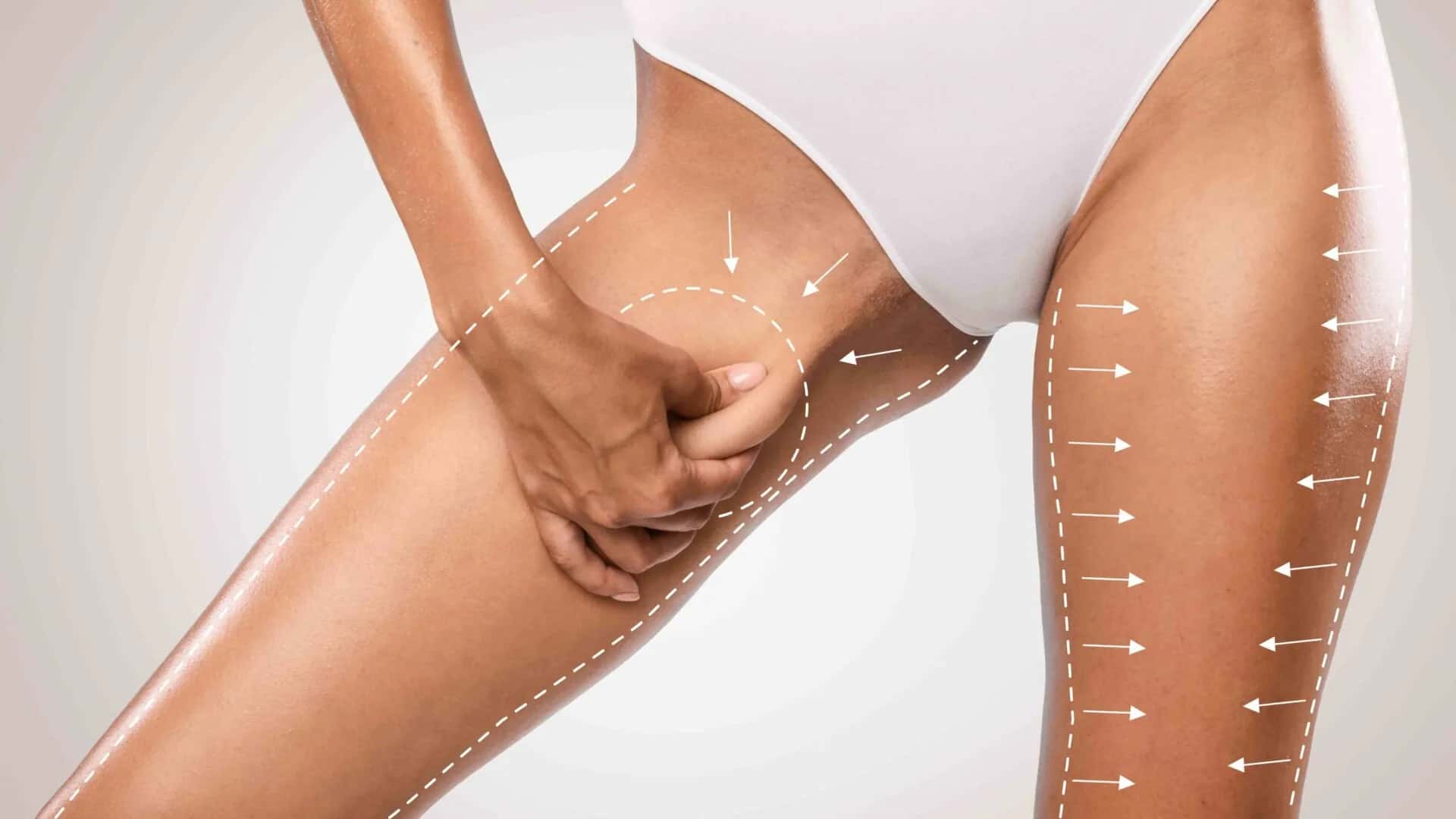
Thigh lift surgery can cost from roughly $2,000 in lower-cost private healthcare markets to more than $15,000 for extensive treatment in higher-priced countries during 2026. Also known as thighplasty, the procedure removes excess skin and reshapes the thighs, particularly after major weight loss.
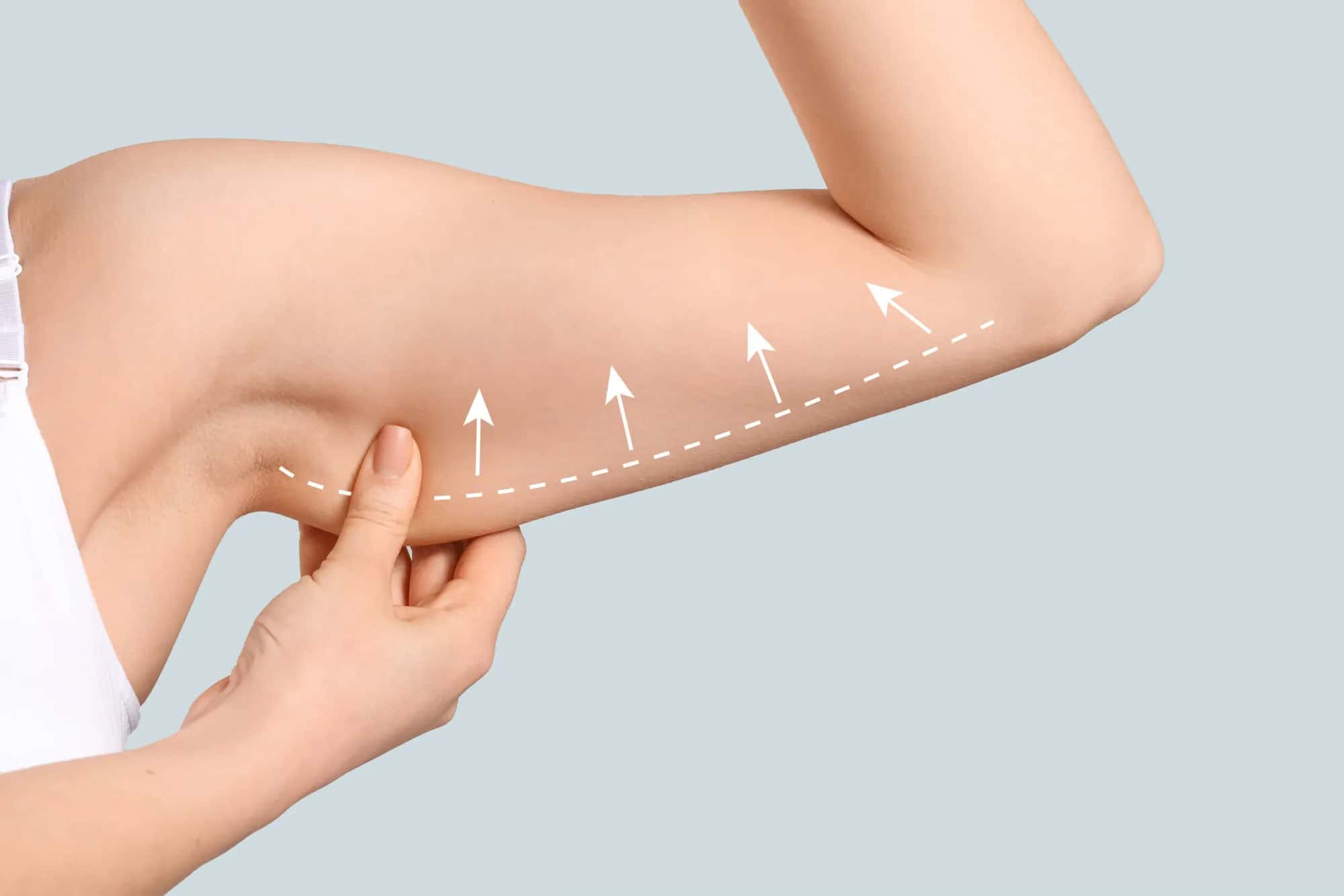
Arm lift surgery can cost from roughly $2,500 in lower-cost private healthcare markets to well above $15,000 for more extensive treatment in expensive countries during 2026. Also called brachioplasty, the operation removes excess upper-arm skin and reshapes tissue.

Lipo 360 can cost roughly $3,000 in lower-cost medical tourism markets and more than $15,000 in higher-priced private healthcare systems during 2026.
Subscribe to the Medifinder newsletter and never miss our latest content.