










Are Steroids Linked With Gynecomastia?
This guide explains the link between steroids and gynecomastia, including anabolic steroids, testosterone, hormonal mechanisms, symptoms, diagnosis, treatment, surgery, and recurrence risk.

- Last updated
- 63 reads
- 7 min read
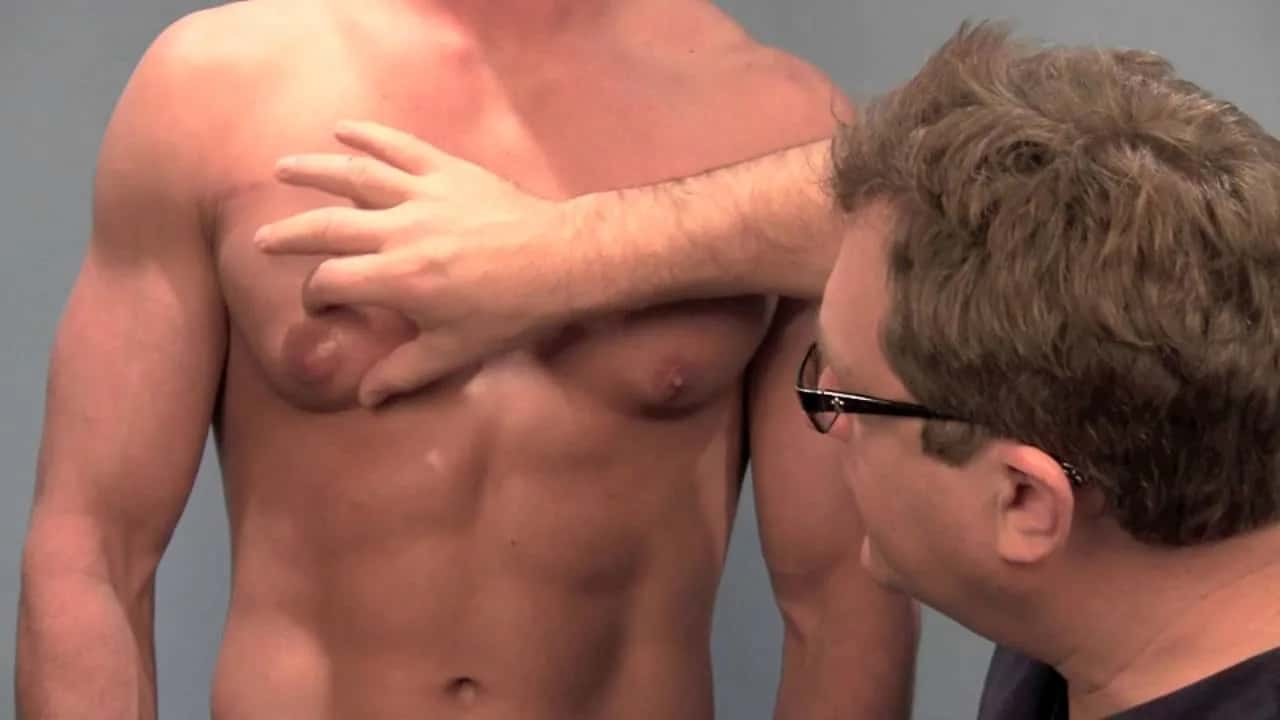


Are Steroids Linked With Gynecomastia?
Anabolic-androgenic steroids are linked with gynecomastia because some increase estrogen exposure and disrupt the hormonal balance controlling male breast tissue.
Gynecomastia is genuine enlargement of glandular breast tissue rather than simple accumulation of chest fat. High doses of testosterone and related anabolic compounds can provide additional substrate for conversion into estradiol. Anabolic steroid use can also suppress the natural hypothalamic-pituitary-gonadal axis. Both processes can alter estrogenic and androgenic activity within breast tissue. Gynecomastia is therefore a recognized adverse effect of nonmedical anabolic steroid use, although it does not develop in every user.
Which Steroids Are Most Likely to Cause Gynecomastia?
Aromatizable anabolic steroids are particularly associated with gynecomastia because their androgenic components can be converted into estrogens through aromatase activity.
Testosterone is the clearest example because testosterone can be converted directly into estradiol. Other androgen precursors may also contribute when they provide additional material for estrogen production. Individual risk cannot be predicted solely from the name of a steroid. Dose, duration, combined substances, body composition, aromatase activity, and individual breast sensitivity can all influence the response. Non-aromatizable anabolic compounds can still disturb the hormonal system, especially when natural testosterone production becomes suppressed during or after exposure.
How Do Anabolic Steroids Cause Gynecomastia?
Anabolic steroids can cause gynecomastia by increasing estrogenic stimulation of male breast tissue while disrupting normal testosterone regulation.
Aromatase converts testosterone into estradiol, and supraphysiological testosterone exposure can provide more substrate for this conversion. Research in anabolic steroid users has documented marked estradiol increases during exposure. At the same time, external androgens suppress luteinizing hormone and follicle-stimulating hormone through hormonal feedback. This reduces normal testicular activity. The resulting endocrine environment can favor glandular breast proliferation in susceptible men. The relevant factor is therefore not simply testosterone concentration, but the balance between androgenic and estrogenic activity within breast tissue.
Can Testosterone Cause Gynecomastia?
Testosterone can contribute to gynecomastia when enough of the administered hormone is converted into estradiol and estrogenic stimulation becomes sufficient to affect breast tissue.
This possibility is particularly relevant with supraphysiological doses used outside standard medical treatment. Estradiol generally increases as testosterone exposure rises, although the relationship is not perfectly linear. Medically supervised testosterone replacement differs from bodybuilding steroid use because therapeutic treatment aims to restore physiological hormone levels. Gynecomastia can still occur during testosterone treatment, but its presence requires assessment rather than automatic assumptions about the cause. Other medications, obesity, endocrine disorders, and pre-existing breast tissue can contribute simultaneously.
Do Corticosteroids Cause Gynecomastia?
Corticosteroids such as prednisone are not considered a typical direct cause of gynecomastia in the same way as anabolic-androgenic steroids.
The word steroids can therefore create confusion when discussing male breast enlargement. Corticosteroids primarily affect inflammation, immunity, glucose metabolism, and many other physiological processes. Long-term treatment can cause weight gain and altered fat distribution, potentially increasing chest fat without producing true glandular gynecomastia. Isolated reports have described breast enlargement during prednisone treatment, but this does not establish a common direct relationship. Prescribed corticosteroids should never be stopped abruptly because sudden withdrawal can cause serious medical complications.
How Common Is Gynecomastia in Anabolic Steroid Users?
Gynecomastia occurs in a meaningful proportion of anabolic steroid users, although reported rates differ widely according to population, exposure, and diagnostic methods.
One prospective dataset cited in recent clinical research reported gynecomastia in approximately 12 percent of anabolic steroid users. Surgical populations produce higher estimates because they already contain people seeking treatment for breast enlargement. One such study identified steroid-associated gynecomastia in about 39 percent of the evaluated group. These percentages should not be treated as universal risk estimates. Steroid combinations, doses, duration, previous gynecomastia, and individual susceptibility vary substantially between users and studies.
What Are the Signs of Steroid-Related Gynecomastia?
Steroid-related gynecomastia usually produces firm glandular enlargement beneath the nipple rather than only soft and diffuse fatty chest fullness.
-
Firm or rubbery tissue beneath the nipple
-
Increasing nipple or areola projection
-
Tenderness during early gland development
-
Enlargement affecting one or both breasts
-
A disc-like structure behind the areola
-
Persistent fullness despite low body fat
-
Breast enlargement appearing during anabolic steroid exposure
-
Enlargement becoming noticeable during hormonal recovery after use
A soft chest without palpable glandular tissue may instead represent pseudogynecomastia, particularly when body fat has increased.
Can Gynecomastia Develop After Stopping Steroids?
Gynecomastia can remain noticeable or become hormonally relevant after anabolic steroid cessation because natural testosterone production may remain suppressed during recovery.
External anabolic steroids suppress the hypothalamic-pituitary-gonadal axis, reducing normal signals that stimulate testicular testosterone production. Recovery after cessation is highly variable and may take months or longer. During this period, reduced endogenous androgen activity can alter the hormonal environment even after the original steroid exposure has ended. Established glandular breast tissue may also remain regardless of later hormone normalization. Consequently, stopping anabolic steroids does not guarantee immediate disappearance of breast enlargement that developed during use.
Can Steroid-Induced Gynecomastia Go Away Naturally?
Recently developed steroid-related gynecomastia may partially regress after the hormonal trigger is removed, but established glandular tissue becomes less likely to disappear completely.
Clinical guidance recommends observation after discontinuing a substance associated with gynecomastia when discontinuation is medically appropriate. Improvement depends partly on how long the glandular enlargement has existed. Long-standing tissue becomes increasingly fibrotic and tends to respond less readily to nonsurgical approaches. Research examining recovery after anabolic steroid cessation also indicates that gynecomastia frequently persists despite recovery of other hormonal effects. Persistent breast enlargement after the endocrine system stabilizes may therefore require separate treatment.
Can Weight Loss or Chest Training Remove Steroid Gynecomastia?
Weight loss and chest training cannot remove established glandular gynecomastia, although they can reduce surrounding fat and improve overall chest proportions.
Gynecomastia contains proliferated breast gland tissue rather than ordinary adipose tissue alone. A calorie deficit can therefore reduce chest fat without eliminating the firm gland underneath the nipple. Resistance training can increase pectoral muscle size, but the gland remains positioned above the muscle. Some steroid users have both gynecomastia and pseudogynecomastia, especially after body-weight changes. In that situation, fat loss can produce substantial improvement while leaving localized nipple projection caused by residual glandular tissue.
How Is Steroid-Related Gynecomastia Diagnosed?
Steroid-related gynecomastia is diagnosed through medical history and physical examination, followed by targeted laboratory or imaging assessment when another cause requires exclusion.
The history should include anabolic steroid exposure, testosterone use, medications, supplements, symptom duration, sexual function, and changes in testicular size. Examination confirms whether genuine glandular tissue is present and distinguishes it from chest fat. Adult gynecomastia should not automatically be attributed to steroids without considering other explanations. Evaluation may include genital examination and selected laboratory tests. Breast imaging can help when physical findings are uncertain, while suspicious masses require a different diagnostic pathway.
Can Blood Tests Confirm That Steroids Caused Gynecomastia?
Blood tests can identify hormonal abnormalities associated with gynecomastia, but they cannot always prove that previous anabolic steroid exposure was the sole cause.
Potential testing includes testosterone, estradiol, luteinizing hormone, follicle-stimulating hormone, sex hormone-binding globulin, prolactin, thyroid markers, and selected tumor markers. Liver and kidney function may also be assessed when clinically relevant. Results depend heavily on whether testing occurs during steroid exposure, shortly after cessation, or after endocrine recovery. A normal hormone panel months later does not exclude previous steroid-related stimulation because persistent glandular tissue can remain after the original hormonal disturbance has resolved.
Can Tamoxifen or Aromatase Inhibitors Treat Steroid Gynecomastia?
Medical treatment may help selected recent gynecomastia cases, but self-treatment with tamoxifen or aromatase inhibitors during anabolic steroid use is not a reliable or risk-free strategy.
Tamoxifen blocks estrogen receptors in breast tissue and has been studied for gynecomastia from several causes. Aromatase inhibitors reduce estrogen production by limiting conversion from androgens. Evidence across gynecomastia treatments remains incomplete, and current clinical guidance does not recommend routine use of these medications for every patient. Both drug groups can cause adverse effects and interact with the underlying hormonal disturbance. Persistent steroid-associated gynecomastia should therefore be evaluated medically rather than managed through unsupervised post-cycle medication.
When Is Surgery Used for Steroid-Induced Gynecomastia?
Surgery is generally considered when steroid-induced gynecomastia remains after the triggering exposure ends and long-standing glandular tissue does not regress sufficiently.
Direct excision is important when dense glandular tissue sits beneath the nipple. Liposuction may be added when surrounding chest fat also contributes to the breast contour. Surgical research involving anabolic steroid users has found that these patients can have different breast composition from nonusers. Careful gland removal is particularly important because retained hormonally responsive tissue can contribute to residual or recurrent enlargement. Long-lasting gynecomastia is the situation in which current clinical guidance most clearly supports surgical management.
Can Gynecomastia Return After Surgery if Steroid Use Continues?
Gynecomastia can recur after surgery when hormonally responsive breast tissue remains and anabolic steroid exposure continues to create strong estrogenic stimulation.
Male breast reduction normally leaves a thin tissue layer beneath the nipple to avoid an unnaturally depressed contour. Remaining glandular cells can therefore still respond to hormonal stimulation. Surgical research has reported higher revision rates among previous anabolic steroid users than among nonusers in one large cohort. Earlier surgical reports also linked recurrence with hormonally active residual subareolar tissue. Continuing or restarting anabolic steroids can consequently undermine long-term stability even after technically successful chest reduction.
Should Steroid Use Be Stopped When Gynecomastia Appears?
Nonmedical anabolic steroid use should be medically reviewed when gynecomastia develops, while prescribed steroid medicines should only be changed under professional supervision.
Clinical guidance recommends removing an aggravating substance when this can be done safely. Anabolic steroid cessation can involve testosterone suppression, reduced libido, fertility problems, mood symptoms, and prolonged endocrine recovery. Medical support can therefore be important during discontinuation. Prescribed testosterone or corticosteroids require a different approach because abrupt changes may create separate health risks. Attempting to control gynecomastia by adding unsupervised anti-estrogen medicines can introduce further complications without addressing the broader effects of anabolic steroid exposure.
- Last updated
- Language
- English
How did you find this article?

This page explains how clinics can become more visible across digital channels, reach the right patient audience, and turn that visibility into sustainable patient communication.

This page explains how doctors can use online marketing to increase digital visibility, reach the right patient audience, build trust, and improve communication processes.

This page explains how hair transplant clinics can improve online visibility, trust, content, SEO, patient communication, and conversion processes through MediFinder.
Subscribe to the Medifinder newsletter and never miss our latest content.