










Almond Eye Surgery
Almond-shaped eyes are often described as having a balanced, slightly elongated appearance. The outer corners may sit level with or slightly above the inner corners, while the upper and lower eyelids frame the iris without showing a large amount of white beneath it.

- Last updated
- 143 reads
- 10 min read
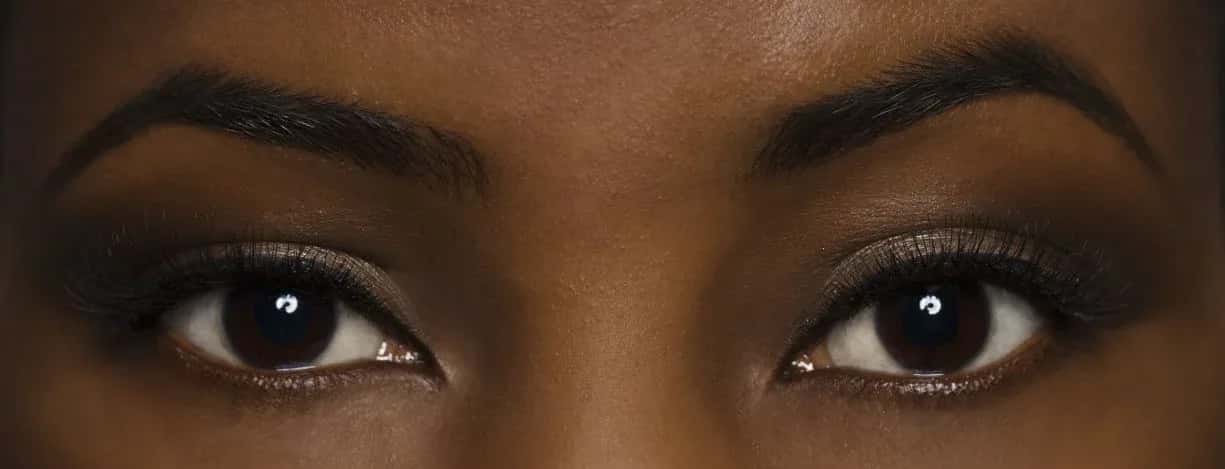


Almond eye surgery is an informal term for cosmetic procedures intended to alter the shape, support, or position of the eyelids. It is not the medical name of one standardized operation. Depending on a patient’s anatomy and concerns, treatment may involve canthopexy, canthoplasty, blepharoplasty, fat repositioning, or a combination of carefully selected techniques.
The eye area has both cosmetic and functional importance. Eyelids protect the surface of the eyes, distribute tears, and help maintain visual comfort. For this reason, any attempt to change eye shape requires an individual assessment rather than a standard surgical plan.
What Is Almond Eye Surgery?
Almond eye surgery aims to create or enhance a horizontally elongated eye shape. Some patients seek a subtle lift at the outer corner, while others want to reduce visible white beneath the iris or improve lower-eyelid support.
The requested appearance may involve several features:
-
A slightly elevated outer eye corner
-
A smooth lower-eyelid contour
-
Limited lower scleral show
-
Balanced upper- and lower-eyelid exposure
-
A longer horizontal eye opening
-
A natural relationship between the eyelids and eyebrows
The sclera is the white part of the eye. When a noticeable amount is visible beneath the iris, the condition is commonly called lower scleral show. Its appearance can be influenced by lower-eyelid position, eye prominence, cheek support, previous surgery, aging, or natural facial anatomy.
Changing the outer corner alone does not always produce an almond shape. Brow position, orbital bone structure, cheek volume, skin quality, eyelid tension, and the natural position of the eyeball also affect the result.
A suitable treatment plan must therefore address the patient’s actual concern instead of relying only on a popular cosmetic label.
Which Procedures Can Create Almond-Shaped Eyes?
Different surgical techniques may be associated with almond eye surgery. The appropriate option depends on the patient’s eyelid support, skin condition, facial proportions, and desired degree of change.
Canthopexy
Canthopexy supports or tightens the tissues near the outer corner of the eye. The surgeon usually reinforces the existing lateral canthal structures without completely reconstructing them.
This technique may be considered when a patient requires mild lower-eyelid support or a limited adjustment of the outer corner. It may also be used alongside lower blepharoplasty to reduce the risk of postoperative eyelid malposition.
Canthopexy generally creates a more conservative change than canthoplasty. However, the result still depends on the patient’s anatomy and the strength of the existing eyelid tissues.
Canthoplasty
Canthoplasty is a more extensive operation involving the lateral canthus, which is the outer point where the upper and lower eyelids meet. The surgeon may release, reposition, shorten, or secure the supporting tissues to change the position or shape of the outer eye corner.
The term canthoplasty covers several techniques. It may be performed for cosmetic reasons, but it can also be used to correct functional eyelid problems. The surgical plan should be adapted to the reason for treatment and the condition of the eyelid structures.
Because canthoplasty involves structural changes, it may create a more noticeable result than canthopexy. It may also have a different recovery period and risk profile.
Blepharoplasty
Blepharoplasty changes the upper or lower eyelids by removing or repositioning selected skin, muscle, or fat. It may be considered when excess tissue, prominent fat compartments, or lower-eyelid contour affects the appearance of the eyes.
Blepharoplasty does not automatically create almond-shaped eyes. Removing too much tissue can make the eye area look hollow, tight, or unnatural. Excessive skin removal may also interfere with complete eyelid closure.
When blepharoplasty forms part of almond eye surgery, the surgeon should consider both eyelid shape and function rather than focusing only on tissue removal.
Who May Be a Suitable Candidate?
A suitable candidate is usually a healthy adult with a specific concern and realistic expectations. The person should understand that surgery can refine existing anatomy but cannot reproduce another individual’s eye shape exactly.
Potential candidates may be concerned about:
-
Downturned outer eye corners
-
Lower-eyelid looseness
-
Visible white beneath the iris
-
Previous eyelid surgery results
-
Age-related changes in eyelid support
-
Natural asymmetry around the eyes
A patient’s request alone does not determine whether the operation is appropriate. The surgeon needs to assess tear production, eyelid closure, skin elasticity, lower-lid tension, eye prominence, canthal position, facial asymmetry, and previous surgical changes.
Existing dry eye can be particularly important because eyelid surgery may temporarily worsen dryness or irritation. Thyroid-related eye disease, difficulty closing the eyelids, prominent eyes, uncontrolled medical conditions, or previous complications may also affect treatment options.
Some patients may not need surgery. In other cases, the requested change may be anatomically unrealistic or could place eyelid function at risk. A responsible surgeon should explain these limitations clearly.
What Happens During the Consultation?
The consultation allows the surgeon to identify the exact feature the patient wants to change. Asking only for “almond eyes” may not provide enough information because people use the term to describe different appearances.
One patient may want the outer corners lifted. Another may be concerned about lower scleral show. A third may mainly have excess upper-eyelid skin. Each situation could require a different approach.
The surgeon will usually review the patient’s medical history, medications, allergies, previous eye procedures, contact-lens use, smoking habits, vision concerns, and dry-eye symptoms.
The physical assessment may examine:
-
Eyelid closure
-
Lower-eyelid tension
-
Canthal tilt
-
Tear-film quality
-
Eye prominence
-
Brow position
-
Skin and soft-tissue quality
-
Facial and eyelid asymmetry
Photographs may be taken for surgical planning and comparison. These images should document the patient’s natural anatomy rather than serve as a promise of a particular result.
Patients should ask which procedure is being recommended, why it suits their anatomy, where the incisions will be placed, and how the operation could affect eyelid function. They should also discuss possible complications, aftercare, revision policies, and the expected degree of change.
How Is Almond Eye Surgery Performed?
The surgical steps vary according to the selected procedure. Some operations can be performed under local anesthesia with sedation, while more extensive treatment may require general anesthesia.
During lateral canthal surgery, the surgeon works with the tissues supporting the outer eyelid. In canthopexy, these structures are generally tightened or reinforced. In canthoplasty, they may be released and reconstructed in a different position.
The supporting tissues must be secured carefully. Excessive elevation may create an unnatural angle, while insufficient support may fail to achieve the intended change. The surgeon must also avoid placing unnecessary tension on the eyelid.
When blepharoplasty is included, an incision may be positioned in the natural upper-eyelid crease or along an appropriate area of the lower eyelid. Selected tissue can then be removed or repositioned. Upper blepharoplasty incisions are commonly placed within the natural eyelid fold.
The length of the operation depends on the number of procedures performed and their complexity. Patients may return home on the same day in many cases, although individual arrangements vary.
Almond Eye Surgery Recovery
Swelling and bruising are expected during the early stage of recovery. Patients may also experience tightness, irritation, watery eyes, temporary dryness, light sensitivity, or discomfort around the incisions.
Swelling can initially make the outer corners look higher, tighter, or less symmetrical than expected. This early appearance does not represent the final result.
Cold compresses, lubricating ointments, and prescribed medications may be used during the initial healing period. Patients should follow their own surgeon’s instructions because aftercare can differ according to the operation performed.
The surgeon may advise the patient to:
-
Sleep with the head elevated
-
Avoid rubbing or pressing the eyes
-
Limit strenuous exercise
-
Avoid heavy lifting
-
Delay contact-lens use
-
Avoid eye makeup temporarily
-
Protect healing scars from direct sunlight
-
Attend all follow-up appointments
Visible swelling and bruising often improve gradually over the first few weeks. Some patients take approximately two weeks away from work after eyelid surgery, although recovery depends on the procedure, occupation, and individual healing response.
Residual swelling, scar firmness, tightness, or minor asymmetry may take several months to settle. Patients should avoid judging the result too early or comparing day-to-day changes with edited online photographs.
What Are the Risks?
Every operation around the eyes carries potential risks. Cosmetic improvement must be balanced against the eyelids’ role in protecting the eye surface.
General surgical risks include bleeding, infection, anesthesia reactions, delayed wound healing, visible scarring, temporary numbness, persistent discomfort, and dissatisfaction with the result.
Possible eyelid-specific complications include:
-
Dry or irritated eyes
-
Difficulty closing the eyelids
-
Watery eyes
-
Uneven eyelid position
-
Lower-lid retraction
-
Lid lag
-
Ectropion
-
Changes in sensation
-
Sensitivity to light
-
Persistent swelling
-
Need for revision surgery
Ectropion occurs when the lower eyelid turns outward or pulls away from the eye. It may cause irritation, watering, dryness, or exposure of the eye surface. Difficulty closing the eyelids can also interfere with corneal protection.
Canthal surgery has additional potential complications. The outer corner may heal in a rounded, elevated, uneven, or overly tight position. Scarring can change the natural canthal angle, while excessive tension may create discomfort or an operated appearance.
Eye rubbing or trauma during healing may contribute to wound separation or scar formation. Patients with significant eyelid looseness may also face a greater risk of developing eyelid-position problems over time.
Serious vision complications are rare, but sudden vision changes, severe eye pain, rapidly increasing swelling, heavy bleeding, or breathing difficulty require urgent medical attention.
Are the Results Permanent?
Structural changes from canthoplasty or canthopexy may be long-lasting, but surgery does not stop natural aging. Skin, ligaments, fat, bone, and surrounding facial tissues continue to change.
The result may also be affected by sun exposure, smoking, trauma, weight changes, scar formation, and individual tissue quality.
Early swelling can temporarily exaggerate the lift or shape of the eyes. As the tissues soften, the result may appear less dramatic. This settling process is a normal part of recovery.
Eyelid surgery can correct certain concerns for an extended period, but the face continues to age naturally.
Perfect symmetry should not be expected. Most people have differences between the two sides of the face before surgery, and each side can heal at a slightly different rate. The practical goal is usually a balanced improvement that suits the entire face.
Can Nonsurgical Treatments Create Almond Eyes?
Nonsurgical treatments may influence the appearance of the eye area, but they cannot reproduce every structural change created by surgery.
Eyebrow shaping, makeup, lashes, lighting, and photography angles can make the eyes appear longer or more elevated without changing the eyelid anatomy.
Injectable treatments may modify nearby volume or muscle activity in selected patients. However, they do not reconstruct the lateral canthal tendon or permanently change orbital bone structure.
Thread-based treatments may create a temporary lifting effect, but their mechanism, durability, and limitations differ from those of canthoplasty. Nonsurgical treatments around the eyes also carry risks because the area contains delicate blood vessels, nerves, and functional structures.
The safest option is not always the most dramatic one. Some patients may benefit from a limited treatment, while others may be advised to avoid intervention.
How to Choose a Surgeon
Almond eye surgery requires an understanding of both eyelid function and facial aesthetics. Patients should choose a properly licensed surgeon with relevant training and regular experience in periocular procedures.
Depending on the country and treatment plan, this may be an oculoplastic surgeon, ophthalmic plastic surgeon, facial plastic surgeon, or plastic surgeon with substantial eyelid experience.
Patients should verify professional qualifications through the appropriate medical authority. They should also ask where the operation will take place, who will provide anesthesia, how complications are managed, and what postoperative support is included.
Before-and-after images can show a surgeon’s general approach, but they cannot guarantee an identical outcome. Photographs are most useful when they show healed results, consistent lighting, and patients with reasonably similar starting anatomy.
Cost should not be the only factor in the decision. Surgical judgment, safety standards, follow-up care, relevant experience, and the ability to treat complications are more important than promotional pricing.
A reliable surgeon should be willing to recommend a smaller change, a different procedure, or no surgery when the requested result could compromise eyelid function.
Final Thoughts
Almond eye surgery is not one fixed operation. It is a general term for procedures intended to adjust eyelid shape, outer-corner position, or lower-eyelid support.
Canthopexy, canthoplasty, and blepharoplasty may all play a role, but they are not interchangeable. The right approach depends on the patient’s eyelid anatomy, eye health, facial proportions, tissue quality, and expectations.
Surgery may create a subtle and balanced change, but it cannot guarantee perfect symmetry or reproduce another person’s appearance. Patients should allow sufficient time for healing and understand that early swelling can temporarily affect the shape of the eyes.
The decision should prioritize eye health, natural facial balance, qualified medical assessment, and realistic expectations. A careful consultation remains the most important step in determining whether almond eye surgery is appropriate.
- Last updated
- Language
- English
How did you find this article?

This guide explains corneal transplant surgery, including transplant types, the procedure, recovery, vision improvement, rejection symptoms, risks, and long-term results.

This guide explains hooded eyes, their causes, common features, aging-related changes, treatment options, surgery, recovery, and differences from other eyelid conditions.

Stem cell eye treatment cost by country can range from about $7,500 in more affordable medical travel destinations to more than $20,000 in higher-cost settings. Turkey and Thailand often appear as lower-cost options, while South Korea and some Western systems may be more expensive.
Subscribe to the Medifinder newsletter and never miss our latest content.