










Acne (Pimple)
Acne (pimple) is a common skin problem caused by clogged oil glands in the skin. It is usually seen on the face, back, chest, and shoulders.

- Last updated
- 97 reads
- 11 min read
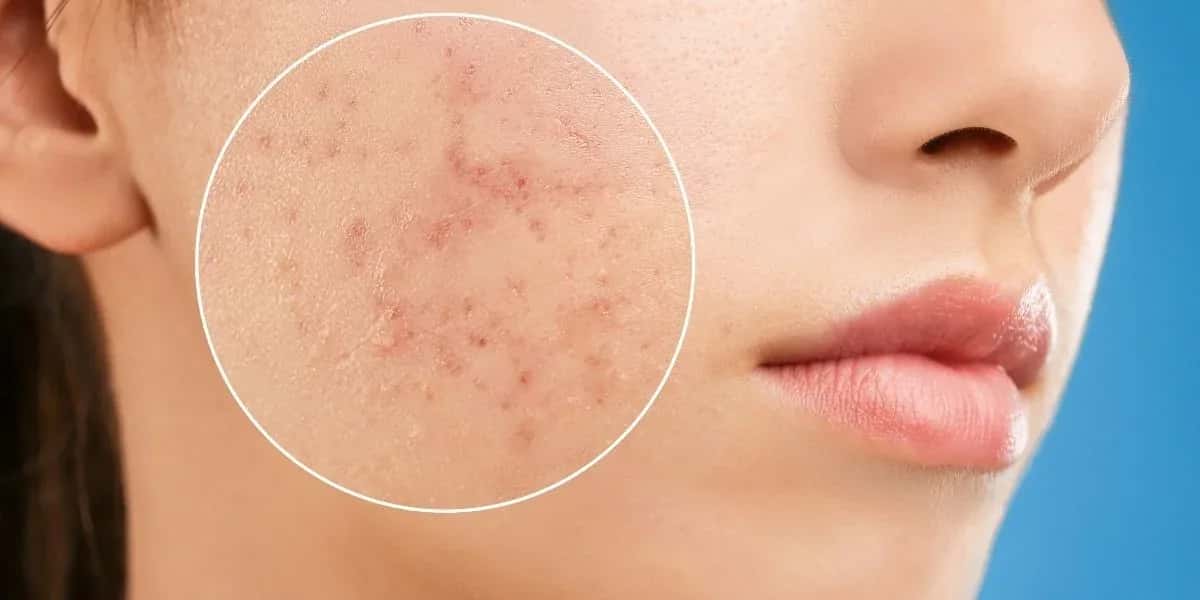


What Is Acne?
Acne is a common skin problem caused by clogged and inflamed oil glands in the skin. It is usually seen on the face, back, chest, and shoulders because the oil glands are more active in these areas. Although acne often appears during puberty, it can also be seen in adults.
The main cause of acne is excess sebum, meaning oil, production in the skin. This oil can combine with dead skin cells and clog pores. When bacteria multiply in clogged pores, redness, swelling, and inflamed pimples occur. Blackheads, whiteheads, red bumps, and inflamed lesions are among the different types of acne.
Hormonal changes, stress, genetic predisposition, incorrect skincare products, certain medications, and dietary habits may play a role in acne formation. However, acne does not occur only because of “dirty skin.” Washing the skin excessively or using harsh products may disrupt the skin barrier and worsen acne.
What Causes Acne?
Acne occurs due to excess oil production, clogged pores, bacterial overgrowth, and inflammation in the skin. Known commonly as pimples, acne is frequently seen especially on the face, back, chest, and shoulders, where oil glands are dense.
One of the most important causes of acne formation is the overproduction of skin oil called sebum. Excess oil combines with dead skin cells and clogs pores. As a result, blackheads, whiteheads, and inflamed pimples may appear. Bacterial growth inside clogged pores may lead to redness, swelling, and painful acne lesions.
Hormonal changes also play an important role among acne causes. Puberty, the menstrual cycle, pregnancy, and certain hormonal disorders may increase acne formation. In addition, genetic predisposition, stress, irregular sleep, certain medications, and cosmetic products unsuitable for the skin type may trigger acne.
Dietary habits may also affect acne in some people. Especially high glycemic index foods and some dairy products may increase acne severity in people with acne problems. However, acne does not occur only because of diet or poor hygiene.
What Are the Symptoms of Acne?
Acne symptoms can be listed as follows:
- Blackheads: Form when pores are clogged with oil and dead skin cells.
- Whiteheads: Occur due to oil and dirt accumulated in closed pores.
- Redness: Inflamed areas of the skin may appear red and sensitive.
- Inflamed pimples: Swollen and tender pimples with white or yellow tips.
- Painful bumps: Hard and painful nodules or cysts may form under the skin.
- Skin sensitivity: Pain or burning may be felt when acne prone areas are touched.
- Oily skin appearance: Excess sebum production may cause the skin to look shiny and oily.
- Acne marks: Brown, red, or purple marks may remain on the skin after pimples heal.
- Acne scars: Severe or squeezed pimples may cause permanent depressed or raised scars.
Where Is Acne Most Commonly Seen?
Acne is most commonly seen on the face, back, chest, shoulders, and neck, where oil glands are dense. Since sebum production is higher in these areas, pores may clog more easily and acne formation may increase.
- Face: The most common area where acne appears. Pimples may occur especially on the forehead, nose, chin, and cheeks.
- Forehead: An acne prone area due to oiliness, hair products, and sweating.
- Nose: Blackheads and oiliness are common in this area where pores are more visible.
- Chin and jawline: Acne related to hormonal changes may occur more frequently in this area.
- Cheeks: Phone contact, pillowcases, makeup products, and skin sensitivity may trigger acne.
- Back: Dense oil glands, sweating, and tight clothing may cause back acne.
- Chest: Pimples may occur due to sweating, friction, and clogged pores.
- Shoulders: Sports, sweating, and friction factors such as bag straps may increase acne formation.
- Neck: Shaving, perfume, hair products, or hormonal effects may cause acne in the neck area.
What Are the Types of Acne?
Types of acne are classified according to the inflammation status, depth, age, and hormonal relationship of the lesion.
The basic distinction is made between comedonal, inflammatory, nodular, and cystic acne. In comedonal acne, blackheads and closed comedones are prominent. In inflammatory acne, red papules and pus filled pustules are seen. In deeper lesions, nodules or cysts may form, and the risk of scarring may increase. Hormonal, adolescent, and adult acne are defined according to the period when acne appears and the triggering mechanism.
Comedonal Acne
Comedonal acne occurs with blackheads and closed comedones caused by pores becoming clogged with sebum and keratin. In this type of acne, significant redness or pus filled lesions are usually not prominent. Open comedones appear as blackheads, while closed comedones form small skin colored bumps. The black color is not caused by dirt, but by oxidation when the pore contents come into contact with air. Comedonal acne is mostly seen on the forehead, nose, chin, and cheeks. The treatment plan is designed to reduce clogging and limit new comedone formation.
Inflammatory Acne
Inflammatory acne occurs when redness, tenderness, papules, and pustules develop around clogged pores. Papules appear as red, raised, and tender lesions. Pustules have a similar structure but may contain pus in the center. In this type of acne, the immune response and inflammation around the hair follicle are more prominent. When lesions are squeezed, inflammation may increase and the risk of marks or scars may rise. Inflammatory acne is a more active condition than comedonal acne and has a more obvious need for treatment.
Cystic Acne
Cystic acne is a severe form of acne that is deep seated, painful, and has a high risk of scarring. In this type of acne, large, tender, and long lasting nodule or cyst like lesions form under the skin. Lesions may be seen in areas where oil glands are dense, such as the face, back, chest, and shoulders. Since cystic acne affects deeper tissues than superficial pimples, it carries a risk of scar development. Therefore, squeezing or harsh mechanical intervention is not recommended. The appropriate treatment approach is determined through dermatological evaluation according to lesion severity and scarring risk.
Hormonal Acne
Hormonal acne is acne that develops due to increased sebum production caused by androgen effects and hormonal fluctuations. In this type of acne, the jawline, lower face, neck, and sometimes the back may be affected more frequently. In women, the menstrual cycle, polycystic ovary syndrome, or hormonal changes may increase flare ups. Lesions may appear as comedones, papules, pustules, or deep nodules. Hormonal acne may continue not only during puberty but also in adulthood. Evaluation considers acne distribution, cyclical worsening, and accompanying hormonal symptoms together.
Adolescent Acne
Adolescent acne is acne that develops during puberty as sebum production increases under the effect of hormones. During this period, oil glands work more actively and pore clogging becomes easier. Comedones, papules, and pustules may be seen especially on the face, back, and chest. Acne severity varies from person to person, and genetic predisposition may affect the process. While mild cases remain superficial, nodules and scars may develop in more severe cases. Therefore, adolescent acne should be regularly evaluated in terms of spread and scarring risk.
Adult Acne
Adult acne is acne that continues after adolescence or begins for the first time in adulthood. This type of acne may be more prominent especially around the chin, lower face, and neck in women. Hormonal fluctuations, stress, certain cosmetic products, and genetic predisposition may affect the condition. Lesions may not only appear as blackheads; inflamed and deep structures may also be seen. In adult acne, skin sensitivity and tendency to develop marks may affect treatment selection.
Who Is More Likely to Have Acne?
Acne is most commonly seen in adolescents; however, it may also occur widely in adults, especially women.
Hormones, skin type, genetic predisposition, and lifestyle habits play an important role in acne formation. Increased hormone levels during puberty cause the oil glands to produce more sebum. This excess oil can combine with dead skin cells, clog pores, and trigger pimple formation. Therefore, acne is quite common among young people.
People with oily skin types have a higher risk of acne. This is because excess oil production causes pores to clog more easily. People with a family history of acne may also be more likely to develop acne. Genetic factors may affect the skin’s oil production and inflammatory response.
In adult women, acne may often be related to the menstrual cycle, pregnancy, polycystic ovary syndrome, or hormonal changes. Stress, using incorrect cosmetic products, heavy makeup, irregular sleep, and certain medications may also increase acne.
In brief, acne is more common in adolescents, people with oily skin, those experiencing hormonal changes, and individuals with genetic predisposition. For acne treatment, it is important to use skincare suitable for the skin type and consult a dermatologist for persistent or severe acne problems.
What Are the Factors That Cause Acne?
Factors that cause acne are conditions that increase oil production in the skin, clog pores, or trigger inflammation. Pimple formation is usually not due to a single cause; hormonal changes, genetic structure, skincare, and lifestyle may act together.
- Excess sebum production: Excessive oil production in the skin may cause pores to clog.
- Dead skin cells: Dead cells accumulating on the skin surface may combine with oil and form blackheads, whiteheads, and pimples.
- Bacterial growth: Bacteria may increase in clogged pores and lead to inflammatory acne.
- Hormonal changes: Puberty, the menstrual period, pregnancy, and hormonal imbalances may increase acne formation.
- Genetic predisposition: If there is a family history of acne, the risk of developing pimples may be higher.
- Stress: Stress may affect hormones, increase oil production, and worsen existing acne.
- Incorrect skincare products: Comedogenic, heavy, or oily products may clog pores.
- Makeup products: Foundation, concealer, and powder unsuitable for the skin may trigger acne.
- Dietary habits: High sugar foods, processed foods, and some dairy products may increase acne in some people.
- Sweating and friction: Tight clothing, masks, helmets, bag straps, and sweating after sports may create conditions for acne formation.
- Certain medications: Cortisone, some hormone medications, and certain medical treatments may cause acne.
- Irregular sleep: Insufficient sleep may negatively affect skin renewal and hormonal balance.
How Is Hormonal Acne Recognized?
Hormonal acne may be recognized by recurring acne along the jawline and lower face that shows periodic worsening.
Lesions often become more noticeable before the menstrual period and may be deeper and painful. Distribution around the chin, neck, and lower cheek area may support a hormonal pattern. If irregular menstruation, increased hair growth, or hair loss is present, hormonal evaluation may be needed. However, a definite diagnosis cannot be made by looking only at the location. The cause is determined more accurately through clinical examination, history, and hormonal tests when necessary.
What Causes Acne in the Chin Area?
Acne in the chin area may occur due to clogged oil glands, hormonal fluctuations, and inflammation. Recurring acne in this area may be associated with hormonal effects, especially in adult women. When androgen sensitivity increases, sebum production rises and pore clogging becomes easier. Masks, phone contact, cosmetic products, and friction may also increase chin acne. Deep, painful, and cyclical lesions more strongly suggest a hormonal pattern. The treatment plan should be determined according to the type of acne and accompanying findings.
Increase in Acne During the Menstrual Period
An increase in acne during the menstrual period may develop when hormonal fluctuations affect sebum production and skin inflammation. Flare ups usually become more prominent in the days before menstruation and may concentrate along the jawline. During this period, oil glands may become more sensitive to androgen effects.
As a result, clogged pores, redness, and deep pimples may increase. Acne recurring in similar areas during each cycle is meaningful in terms of hormonal acne. If irregular menstruation or excessive hair growth accompanies it, further evaluation may be required.
The Relationship Between Polycystic Ovary Syndrome and Acne
Polycystic ovary syndrome may increase acne formation and recurrence through excess androgen activity.
In this condition, oil glands may produce more sebum and pore clogging may become easier. Acne may usually become more prominent on the chin, lower face, neck, and sometimes the back. Irregular menstruation, increased hair growth, weight gain, or hair loss may accompany the condition. Resistant, deep, or cyclical acne may strengthen the hormonal relationship. Therefore, acne should be evaluated not only as a skin problem but within the overall clinical picture.
What Is Adolescent Acne?
Adolescent acne is a common type of acne that develops when oil glands become active during puberty.
During this period, sebum production increases under the effect of hormones, and hair follicles become clogged more easily. Blackheads, closed comedones, red pimples, or pus filled lesions may be seen. The face, back, chest, and shoulders are frequently affected areas. Severity varies from person to person, and genetic predisposition may affect the condition. Adolescent acne may be mild, but the risk of scarring increases with deep lesions.
Why Does Acne Increase During Puberty?
Acne increases during puberty because hormones stimulate the oil glands and increase pore clogging. With puberty, androgen effects rise and sebum production becomes more prominent. Excess sebum may combine with dead skin cells and clog the hair follicle. This blockage creates a basis for comedone formation and then inflammation.
Bacterial overgrowth and immune response may increase red and painful pimples. Therefore, adolescent acne is related more to biological and hormonal processes than to poor hygiene.
When Does Adolescent Acne Go Away?
Adolescent acne decreases in most people as hormonal balance settles, but it may continue into adulthood in some individuals. The duration of acne varies according to genetic predisposition, skin type, hormonal sensitivity, and lesion severity. Mild acne may regress within a few years, while inflammatory or cystic acne may last longer. In some people, acne may continue into the twenties or restart in adulthood. Severe acne left untreated may increase the risk of marks and scars. Therefore, instead of waiting, early evaluation should be performed according to acne severity.
Does Acne Leave Scars During Puberty?
Yes, acne during puberty may leave scars, especially in deep, inflamed, or squeezed lesions. Cystic and nodular acne may affect the deeper layers of the skin and cause scar development. Squeezing pimples may increase inflammation and raise the risk of both scars and marks. Dark or light colored marks may persist for some time after active acne resolves. Permanent depressed scars may occur due to tissue loss or abnormal healing. Early, appropriate, and regular treatment is important to reduce the risk of scarring.
What Causes Acne in Adults?
Acne in adults may be related to hormonal fluctuations, genetic predisposition, stress, cosmetic products, and certain medications.
Adult acne may continue from adolescence or begin for the first time after the age of 25. In women, the menstrual cycle, pregnancy, menopause, or changes in birth control may affect acne. Recurrent inflammatory lesions along the jawline and lower face may suggest hormonal effects. Comedogenic products, friction, intense stress, and certain medications may worsen the condition.
- Last updated
- Language
- English
How did you find this article?
Subscribe to the Medifinder newsletter and never miss our latest content.