










5 TikTok Influencers Who Have Had Rhinoplasty
Meet five TikTok creators who publicly shared their rhinoplasty journeys, recovery experiences and the lessons viewers can take from confirmed personal stories.

- Last updated
- 21 reads
- 6 min read
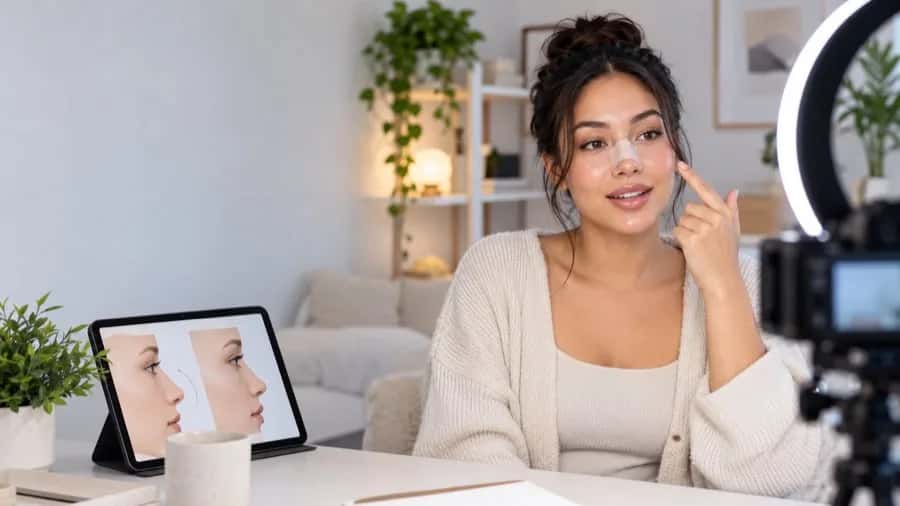


5 TikTok Influencers Who Have Publicly Shared Their Rhinoplasty Journeys
Rhinoplasty is a personal medical decision, yet some TikTok creators have chosen to document their experiences openly. Their videos often show the consultation, the first days with a splint, changes in swelling and the emotional side of waiting for a final result. The five creators discussed below are included because they have publicly described or shown their own procedures. The purpose is not to promote surgery or to judge anyone’s appearance, but to distinguish confirmed personal disclosures from online speculation.
Every nose heals differently, and a creator’s experience cannot predict another patient’s result. Social media can make recovery look quick because a short video compresses weeks of change into a few seconds. These stories are most useful when they are viewed as personal accounts rather than as medical instructions.
1. Indy Clinton
Australian creator Indy Clinton has openly discussed her rhinoplasty journey on TikTok. In her public videos, she described being unhappy with the outcome of an earlier procedure and later shared the process of a second operation. She also spoke about breathing difficulties and the need for reconstruction after the first result did not meet her expectations.
Her story highlights an important point: rhinoplasty is not finished when the cast comes off. Swelling, internal healing and structural support can continue to change for months. Indy’s updates also show why a patient should understand the planned correction, the possible need for revision and the follow-up schedule before surgery. A dramatic reveal video cannot show how the nose will look once all swelling has settled.
2. Violet
The creator known publicly as Violet shared a rhinoplasty journey that extended over several years. She described having an initial operation followed by additional procedures after she was unhappy with the result. Her account received attention because she spoke candidly about the emotional and practical burden of revision surgery.
Violet’s experience is a reminder that revision rhinoplasty is more complex than a first operation. Scar tissue can alter the shape of the nose, cartilage may be limited and the surgeon may need to rebuild support rather than simply remove a bump. Her openness also shows why a patient should avoid rushing into another procedure while the nose is still changing. Time, careful assessment and realistic planning are important parts of revision care.
3. Michelle Regazzoli Stone
Irish beauty creator Michelle Regazzoli Stone, known online as MrsMakeup_ie, publicly shared that she had undergone rhinoplasty. She explained that a visible area of cartilage had bothered her for years and that previous injuries may have affected her septum and breathing on one side. She posted about the early recovery period and described it as physically and emotionally demanding.
Her account is useful because it includes the reason behind the decision rather than focusing only on the final appearance. A nose operation may address a long-standing cosmetic concern, a breathing issue or both. The first week can involve congestion, swelling and bruising, so patients should plan for rest and follow the written care instructions. Michelle’s candid approach also reinforces that sharing a recovery online does not make the recovery easy.
4. Devyn Aiken
Devyn Aiken has documented her rhinoplasty journey on TikTok and discussed saving for the procedure for many years. She explained that she had felt uncomfortable about the size of her nose since adolescence and later described the operation as a personal decision. Her posts follow the change from the first consultation through the recovery period.
Devyn’s story demonstrates how motivation can be connected to self-image without meaning that a person lacks confidence in every part of life. A patient may be comfortable with most of their appearance while still wanting to change one feature. The most responsible approach is to separate personal preference from pressure created by filters, comments or comparison with other people online. A consultation should explore expectations before any decision is finalized.
5. Olivia Dayton
Olivia Dayton has publicly discussed undergoing rhinoplasty and later posted about changes in nasal drainage while recovering and dealing with illness. Her videos prompted many viewers to ask questions about whether a runny nose can happen after surgery. The experience became a reminder that normal secretions, swelling and internal healing can feel different during the recovery period.
Persistent one-sided drainage, pain, fever, bleeding or an unusual taste should not be diagnosed through comments. These symptoms require direct contact with the surgical team. Olivia’s public account also shows how quickly a personal health update can spread online. Viewers should avoid turning a creator’s symptom into a self-diagnosis, especially when the timing, medical history and examination findings are unknown.
What These Public Stories Have In Common
Although the five journeys are different, several themes appear repeatedly. Rhinoplasty is a structural operation, not a quick beauty treatment. The first visible result is affected by swelling, bruising, skin thickness and the way the nose heals. A profile may look different before the front view settles, and the tip may remain firm or swollen for an extended period.
Another shared lesson is the value of communication. Patients need to explain what bothers them, whether breathing is difficult and what kind of change feels natural. Surgeons need to describe the limits of the procedure, the risks and the recovery process. Social media reveals only selected moments, while a private consultation allows a complete medical assessment.
How To Read Influencer Surgery Content Responsibly
Before treating a TikTok video as evidence, check whether the creator clearly stated that they had rhinoplasty or simply posted a changed appearance. Filters, lighting, makeup, camera angles and temporary swelling can alter how a nose looks. A confirmed disclosure is stronger than a before-and-after comparison made by another account.
It is also important to remember that a creator may have a different skin type, nasal structure, budget and postoperative plan. The same technique can produce different recovery patterns in different people. Influencer content can help someone prepare questions, but it cannot replace an examination or establish that a specific surgeon, country or method is right for everyone.
Questions To Ask Before Rhinoplasty
- What change is the patient hoping to achieve?
- Is breathing affected by the nasal structure?
- Will the plan address the bridge, tip, septum or more than one area?
- How long should swelling and congestion be expected?
- When can exercise, glasses, travel and normal sleep resume?
- Who will answer questions after returning home?
Recovery Lessons Seen In Public Videos
Creators often show that the first days are less glamorous than the final reveal. Sleeping with the head elevated, protecting the splint, avoiding pressure on the nose and attending early checks are common parts of recovery. Bruising around the eyes may change color as it fades, while congestion can make breathing through the nose uncomfortable for a period of time.
Returning to exercise too soon can increase swelling or bleeding. Contact sports and situations where the nose could be hit require particular caution. Sun exposure can make discoloration more noticeable, and glasses may place pressure on healing structures. Written instructions should always take priority over a general tip seen in a short video.
Why A Confirmed Story Matters
Publicly confirmed stories provide a more respectful way to discuss cosmetic surgery. They allow the person involved to describe their reasons and their recovery in their own words. This is different from guessing about a stranger’s face or treating a photograph as proof of an operation. Using only clear disclosures helps prevent unnecessary rumors and keeps the discussion focused on informed decisions.
The five creators included here have shared their rhinoplasty experiences publicly, but their choices should not be treated as recommendations. The most useful lesson is the importance of preparation: understand the objective, review the risks, plan the recovery and keep a realistic view of what healing looks like. A social media reveal may last a few seconds, while the decision and recovery deserve much more time.
Medical Context Behind The Conversation
Rhinoplasty can involve bone, cartilage, the nasal tip, the septum or the internal airway. Even when a creator describes an uncomplicated recovery, viewers cannot see the examination findings that shaped the surgical plan. That is why an online story should be used to understand the patient experience rather than to copy a particular nose. Personal goals, anatomy and healing response remain individual.
Anyone considering surgery should take time to compare information, write down questions and think about the recovery period before choosing a date. A calm decision made without pressure is more valuable than a fast decision based on a viral reveal.
- Last updated
- Language
- English
How did you find this article?

Discover five leading destinations for rhinoplasty, the main techniques, travel preparation and the criteria to review before choosing a country.
Liposuction has become part of a more open conversation about cosmetic surgery, with celebrities discussing everything from subtle body contouring to difficult recoveries and results they later regretted. These 20 public figures have personally acknowledged undergoing liposuction, offering different perspectives.
Many actors, models, musicians and television personalities have spoken openly about having rhinoplasty, some for cosmetic reasons and others to repair an injury or improve their breathing. This guide looks at what 20 of these celebrities said about their own nose surgery and what their experiences can teach anyone.
Subscribe to the Medifinder newsletter and never miss our latest content.