
Stanford Health Care
 Palo Alto, United States
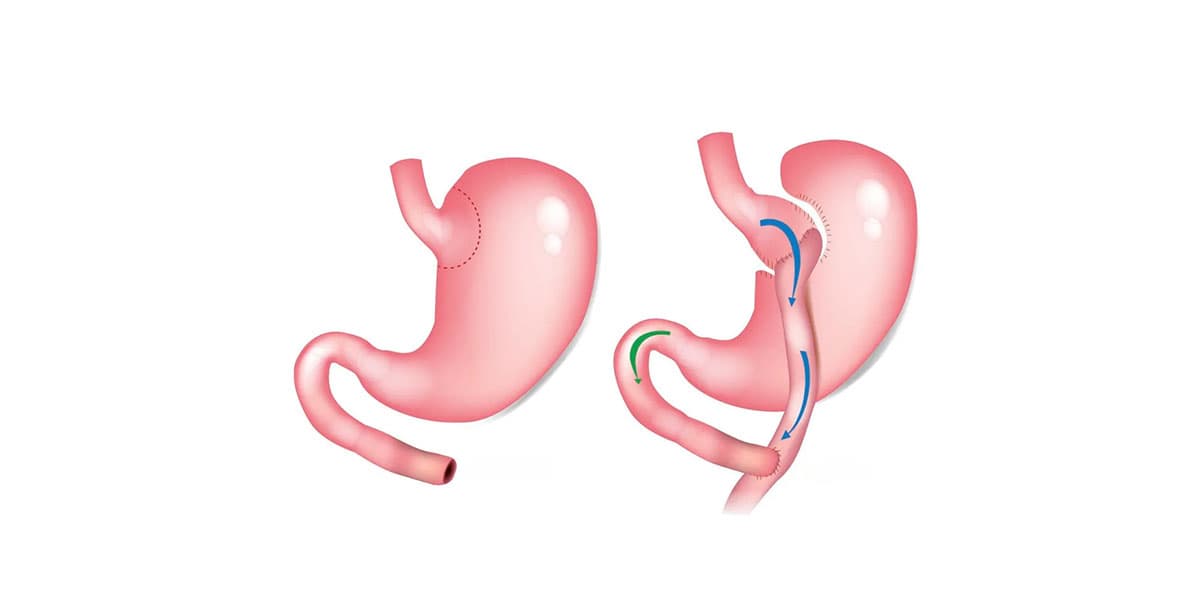
Stanford Health Care takes first place with one of the most comprehensive bariatric-care structures in this comparison. Its Weight Management Program combines bariatric surgery with lifestyle medicine, nutrition, medical weight management, and access to specialists across the Stanford system. Gastric bypass is offered as Roux-en-Y surgery, with the programme placing considerable emphasis on preparation and long-term behavioural change rather than viewing the operation as a stand-alone solution. The depth of the wider medical system is particularly relevant for patients with obesity-related conditions. Diabetes, cardiovascular disease, sleep problems, gastrointestinal disorders, and other medical issues can influence both candidacy and perioperative planning. Having those specialties within the same academic healthcare network gives Stanford a clear advantage in more medically complex cases. Facility quality is another major strength. Stanford publicly identifies its bariatric programme as MBSAQIP accredited and also carries Blue Distinction Center recognition for bariatric surgery and Optum Center of Excellence status. These are meaningful quality credentials because they relate to programme infrastructure, patient safety, and bariatric care standards rather than simply being professional memberships held by individual surgeons. The programme also makes the long-term responsibilities of gastric bypass relatively clear. Nutritional changes, supplements, exercise, and continuing clinical review are treated as integral parts of treatment.
Why it ranks #1
Stanford Health Care ranks #1 in our comparison because it achieved the highest overall score across bariatric surgeon qualifications, facility standards, procedure expertise, patient support, multidisciplinary care, and transparency. Its strongest advantage is the combination of a high-level academic medical environment with independently documented bariatric quality credentials. Gastric bypass is supported by a broader weight-management programme rather than being treated as a single surgical event.