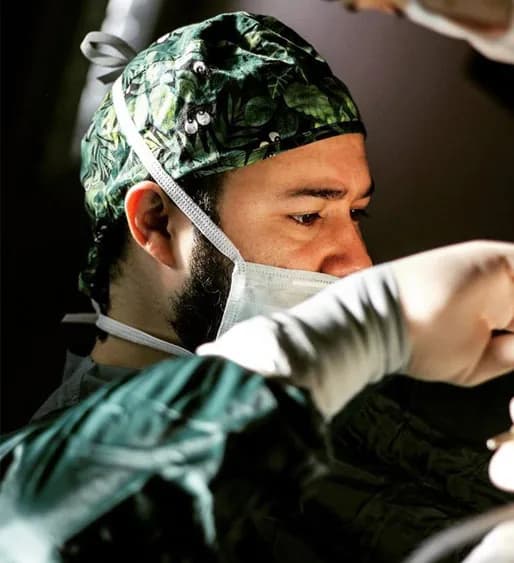







Choosing a plastic surgery clinic in Istanbul requires more than comparing prices, reviews, photographs, or package names. A reliable listing should verify the surgeon, procedure, licensed operating facility, international authorization, and aftercare structure. It should also separate medical responsibility from travel coordination and marketing. This page explains those checks before presenting clinic options. Each clinic card should show legal names, procedure-specific experience, and exact verification dates. A qualified surgeon must still assess medical suitability, risks, recovery needs, and realistic goals before recommending treatment.
What Verifiable Information Does This Page Include That Most Competitors Miss?
This page separates officially verifiable facts from information reported only by clinics. A surgeon’s registered specialty, licensed facility, operating address, and medical tourism authorization can receive separate verification. Annual procedure numbers, claimed success rates, and marketing awards may rely on clinic-provided information. They should never receive the same verification label. The page should also connect each procedure with its named surgeon and actual operating facility. One clinic may use different hospitals for different operations. Each clinic card should therefore show the source type and last verification date. A single “verified clinic” badge cannot explain these important differences.
How Can a Plastic Surgery Clinic’s Legal Identity Be Verified?
A clinic’s legal identity is verified by matching its brand with the licensed healthcare provider behind each procedure. The website name may differ from the company shown on medical documents. The consultation office may also differ from the hospital performing surgery. Compare the website footer, treatment agreement, invoice, privacy notice, and operating address. These records should clearly identify each organisation’s role. A hotel reservation or transfer confirmation does not identify the medical provider. The listing should display the commercial brand and licensed facility separately. Conflicting names require further clarification before payment. This check strengthens consent, record access, payment transparency, and legal accountability.
How Should Surgeon Credentials and Procedure Experience Be Checked?
Surgeon specialty and procedure experience should be presented as two different information types. The surgeon should provide a full registered name, specialty title, and verifiable professional documents. Türkiye’s Doctor Information Bank contains personal, educational, and certification records for registered doctors. However, the service requires authenticated access and primarily serves doctors. A public listing should therefore explain its verification method accurately. Procedure volumes and years of focused experience usually come directly from the clinic. They should appear as clinic-reported information. A surgeon’s general specialty does not prove equal experience in facelifts, breast surgery, liposuction, or complex revisions.
How Can the Actual Operating Facility Be Confirmed?
The operating facility is confirmed by matching the written surgery address with the licensed hospital or medical center. A consultation room does not automatically have permission to host major surgery. Turkish rules prevent private healthcare providers from delivering medical services outside their licensed building. Patients should request the hospital name before paying any deposit. The same facility should appear on the quotation, consent form, invoice, and discharge documents. Clinic cards should distinguish consultation addresses from operating addresses. They should also name the anesthesia provider and expected admission arrangement. Verifying the actual facility improves emergency planning, medical record access, and responsibility during complications.
Which Authorizations Should International Patients Check?
International patients should check the healthcare facility and any travel facilitator through separate authorization records. Medical tourism authorization confirms the facility’s current eligibility to serve qualifying overseas patients. Facilitator authorization covers defined coordination, transfer, accommodation, and translation services. It does not authorize surgery, diagnosis, or medical decision-making. The authorized facility must match the actual Istanbul operating address. Current rules also require international providers to publish their authorization and use the HealthTürkiye identity. Website names should align with the licensed title and ownership information. Ministry authorization lists were updated on 2 July 2026. Every clinic card should therefore include an exact verification date.
What Does the 31 December 2026 Compliance Deadline Mean?
The deadline creates an additional compliance field for facilities treating international medical tourism patients. Authorized hospitals and medical centers must complete the applicable TÜSKA accreditation process by 31 December 2026. Other facility types must obtain certification through their Provincial Health Directorate. Facilities missing the relevant requirement cannot continue serving international patients under that authorization. Current authorization and future compliance are different facts. A clinic may appear on today’s authorization list while its accreditation process remains incomplete. Listing cards should show only confirmed progress. They should never describe an application as completed accreditation. Every status should include the date and verification source.
Which Verified Fields Should Every Clinic Card Display?
Every clinic card should separate official records from commercial and clinic-reported information.
-
Commercial brand and licensed healthcare facility name.
-
Named surgeon and officially recorded specialty.
-
Consultation address and actual operating address.
-
Procedure categories linked with each surgeon.
-
International medical tourism authorization status.
-
Authorized facilitator name, when applicable.
-
Current accreditation or certification status.
-
Named postoperative contact and emergency pathway.
-
Exact date for every official verification.
-
Clinic-reported experience clearly marked as self-reported.
These fields should not create an automatic quality ranking. They create a consistent comparison framework. Prices, reviews, awards, and photographs should remain supporting information rather than primary verification evidence.
Why Should Facial, Breast, and Body Procedures Be Listed Separately?
Facial, breast, and body procedures should appear separately because they require different planning, techniques, and recovery pathways. Plastic surgery covers many anatomical areas rather than one organ system. Experience in rhinoplasty does not automatically prove equivalent experience in abdominoplasty or breast revision surgery. Each clinic card should identify the procedures performed by each named surgeon. Primary and revision operations should also appear separately. Patients should compare similar procedures rather than broad clinic claims. The listing may group services under face, breast, body, and reconstructive surgery. However, every procedure should connect to a surgeon, facility, anesthesia plan, expected stay, and follow-up schedule.
How Should Combined Plastic Surgery Procedures Be Evaluated?
Combined procedures should be evaluated through total surgical burden rather than package convenience. Adding operations can increase anesthesia time, treatment areas, blood loss, immobility, and recovery demands. The combined plan should consider age, general health, body mass index, smoking, medications, and previous surgery. Patients should ask why the combination remains appropriate for their individual risk profile. They should also discuss whether staged operations offer a safer alternative. A lower package price does not prove medical suitability. The quotation should name every planned procedure and expected operating time. It should also explain overnight care, thrombosis precautions, and postoperative assistance.
Which Personal Risk Factors Should Be Reviewed Before Surgery?
Preoperative assessment should review factors that affect anesthesia, healing, bleeding, infection, and thrombosis risks. Important information includes smoking, nicotine exposure, diabetes, previous clots, medications, allergies, and earlier operations. Body mass index and planned procedure duration may also affect the treatment strategy. Research associates smoking with delayed healing, infection, and skin complications in plastic surgery. Patients should disclose all nicotine products rather than cigarettes alone. They should not stop prescribed medication without medical guidance. The surgeon and anesthesia team should provide personalized instructions. A clinic that offers immediate booking without adequate medical assessment deserves closer examination.
What Should a Written Plastic Surgery Quotation Include?
A written quotation should separate medical treatment from travel arrangements and optional package services.
-
Named surgeon, anesthesia service, and licensed operating facility.
-
Exact procedure and planned treatment areas.
-
Preoperative tests, implants, garments, medicines, and dressings.
-
Hospital admission, overnight stay, and discharge arrangements.
-
Follow-up examinations and postoperative contact details.
-
Hotel, transfers, translation, and companion services.
-
Cancellation, rescheduling, and additional night charges.
-
Complication assessment and revision policy.
-
Legal company responsible for each invoice.
-
Services excluded from the advertised package.
“All-inclusive” does not provide enough detail. Patients should receive the complete written scope before making any payment.
How Can Before-and-After Photographs Be Evaluated Reliably?
Reliable photographs should use comparable conditions, visible dates, and images without technological correction. Current Turkish rules require matching technical and environmental conditions for before-and-after medical images. Shared visuals must show the procedure date and photography date. Misleading makeup and later digital correction are prohibited. Providers must also identify whether an image shows their real patient or another source. Patients should compare several relevant angles rather than one flattering view. Body position, lighting, clothing, posture, and camera distance should remain consistent. Photographs can support discussion, but they cannot guarantee an identical outcome. Recovery timing must also appear clearly.
How Should Istanbul Travel, Aftercare, and Complications Be Planned?
Travel and aftercare should follow the medical schedule rather than the cheapest flight or hotel package. Istanbul travel times can vary greatly between districts, airports, hospitals, and accommodation. Patients should confirm consultation, surgery, discharge, dressing changes, and review dates before booking. The clinic should provide a named medical contact, not only a sales coordinator. International patients also need a written remote follow-up plan. The agreement should explain how photographs, symptoms, and possible complications will receive assessment. Severe pain, breathing difficulty, heavy bleeding, fever, or clot symptoms require urgent medical care. Tourism activities should never delay necessary follow-up.
References
-
Republic of Türkiye Ministry of Health, Doctor Information Bank:
https://www.turkiye.gov.tr/saglik-bakanligi-doktor-bilgi-bankasi -
Republic of Türkiye Ministry of Health, Authorized Healthcare Facilities and Facilitators:
https://shgmturizmdb.saglik.gov.tr/TR-25360/yetkili-saglik-tesisleri-ve-araci-kuruluslar.html -
Republic of Türkiye Ministry of Health, Authorization Lists Updated on 2 July 2026:
https://shgmturizmdb.saglik.gov.tr/TR-118488/yetki-belgesi-listeleri-guncellenmistir.html -
Republic of Türkiye Ministry of Health, Accreditation and Certification Deadline:
https://shgmturizmdb.saglik.gov.tr/TR-117812/saglik-turizmi-yetki-belgesine-sahip-saglik-tesislerinin-dikkatine.html -
Republic of Türkiye Ministry of Health, Regulation on Healthcare Promotion and Information:
https://antalyaism.saglik.gov.tr/TR-366500/saglik-hizmetlerinde-tanitim-ve-bilgilendirme--faaliyetleri-hakkinda-yonetmelik.html -
Republic of Türkiye Ministry of Health, Regulation on Private Outpatient Healthcare Providers:
https://antalyaism.saglik.gov.tr/TR-345725/ayakta-teshis-ve-tedavi-yapilan-ozel-saglik--kuruluslari-hakkinda-yonetmelik.html -
Istanbul Provincial Health Directorate, Private Hospitals Unit:
https://istanbulism.saglik.gov.tr/TR%2C159326/ozel-hastaneler-birimi.html -
Başakşehir Çam and Sakura City Hospital, Plastic, Reconstructive, and Aesthetic Surgery Scope:
https://camsakurasehir.saglik.gov.tr/TR-1396704/plastik-rekonstruktif-ve-estetik-cerrahi-klinigi.html -
PubMed, Risk of Adverse Outcomes When Plastic Surgery Procedures Are Combined:
https://pubmed.ncbi.nlm.nih.gov/25415104/ -
PubMed, Smoking in Elective Plastic Surgery Procedures:
https://pubmed.ncbi.nlm.nih.gov/29426809/ -
PubMed, Venous Thromboembolism Assessment in Aesthetic Plastic Surgery:
https://pubmed.ncbi.nlm.nih.gov/40988401/ -
Republic of Türkiye Ministry of Health, International Health Services Call Center:
https://shgmturizmdb.saglik.gov.tr/EN-90754/international-health-services-call-center-commences-service.html