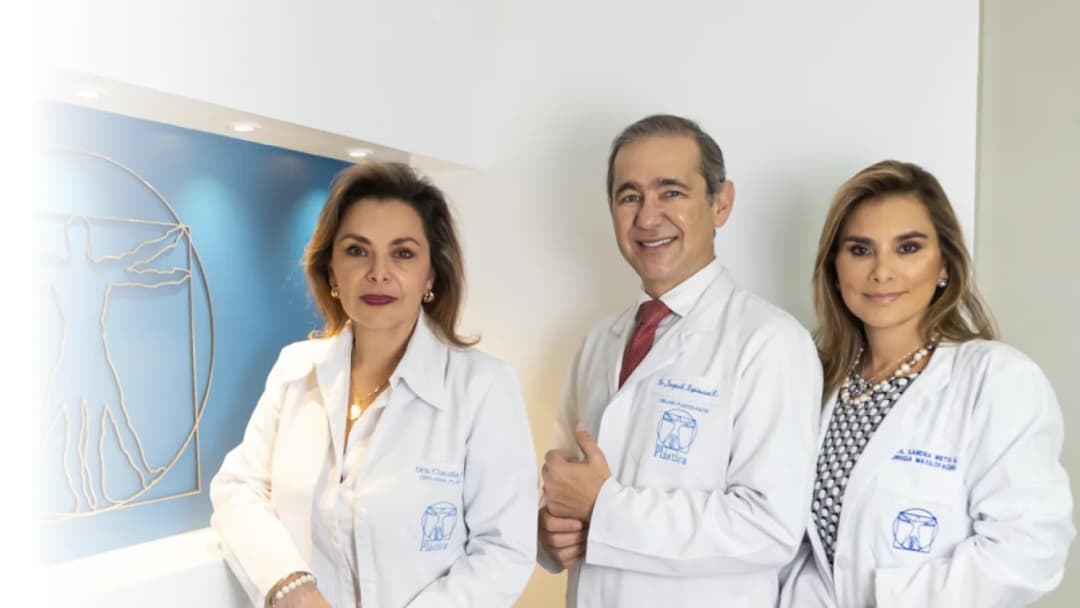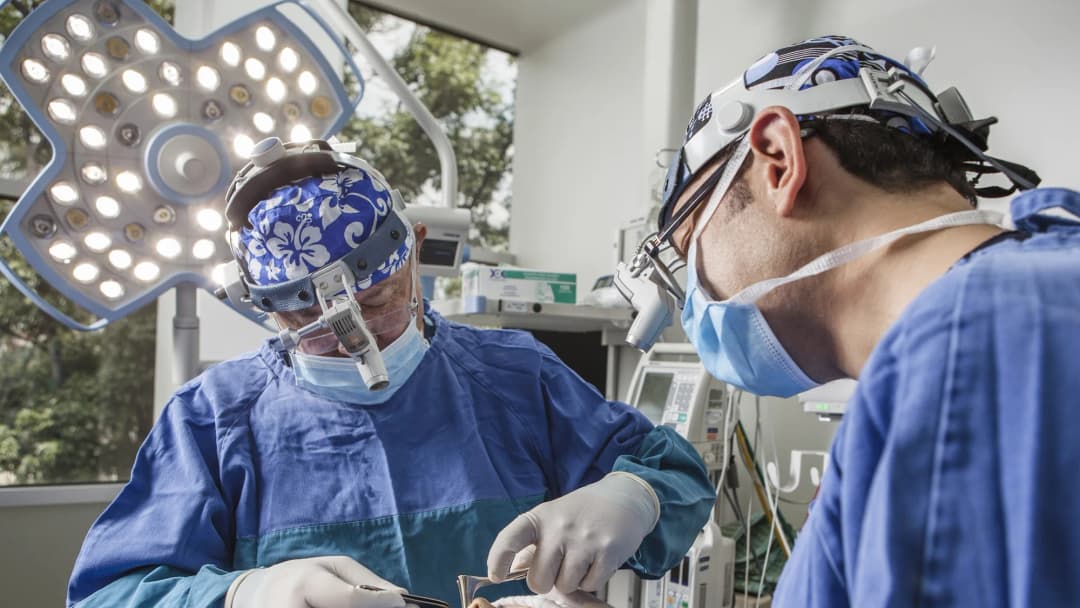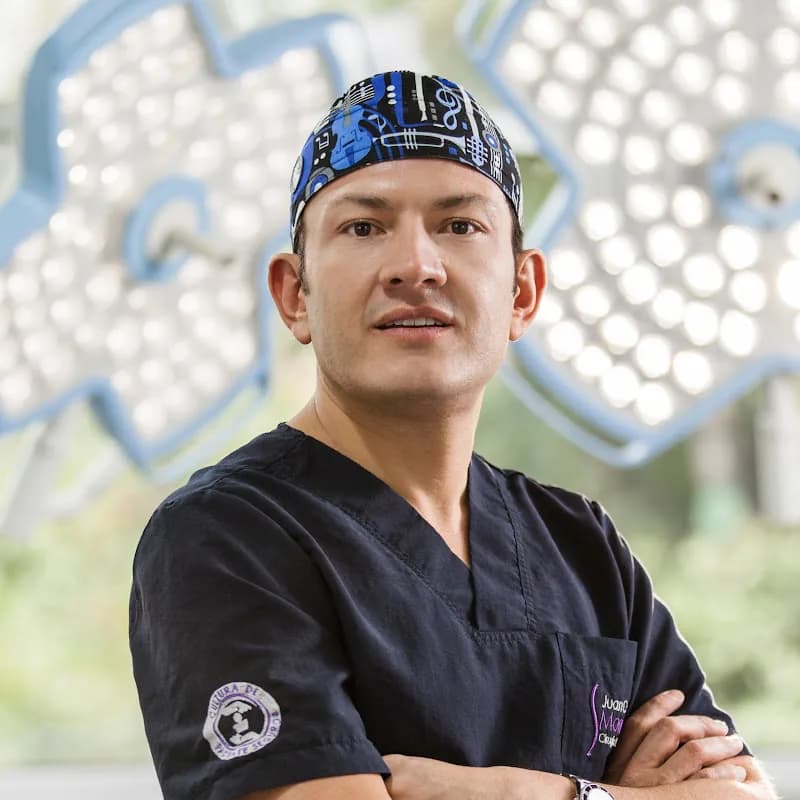










Plastic Surgery in Colombia has become a widely considered option for patients who want access to cosmetic procedures, personalized treatment plans, and experienced surgical teams. The country attracts people interested in body contouring, breast surgery, facial procedures, and combined cosmetic operations. Interest in Plastic Surgery in Colombia has also grown among international patients who prefer to explore treatment options outside their home country while carefully managing their overall budget.
A cosmetic surgery journey involves far more than choosing a procedure from a clinic's website. Patients need to consider the surgeon's experience, their own health, recovery requirements, hospital standards, communication, and long-term expectations. Careful preparation makes it easier to approach surgery with a realistic view of both the possible benefits and the challenges.
Colombia has developed a visible cosmetic surgery sector, particularly in major cities. Clinics and surgical centers may treat local and international patients, while some medical teams offer support with consultations, scheduling, and postoperative appointments. However, every clinic works differently, so patients should research each option individually before making a decision.
Why Do Patients Consider Plastic Surgery in Colombia?
Several factors encourage international patients to research cosmetic surgery in Colombia. Cost often receives the most attention, especially when people compare private surgery fees across different countries. However, a lower estimated price should never become the only reason to select a surgeon.
Procedure availability also influences patient decisions. Cosmetic clinics may offer treatments for the body, breasts, and face. Patients who want several procedures sometimes ask about combined surgery, although the surgeon must decide whether this approach suits the patient's health and treatment goals.
Colombia's location also makes it accessible to many travelers from North America, Latin America, and other regions. Major cities have international airports, hotels, and private transportation services. This infrastructure can make planning a medical trip more manageable.
Another reason involves the country's strong association with aesthetic treatments. Some surgeons focus a significant part of their practice on cosmetic procedures and regularly work with patients who have specific body contouring or facial surgery goals.
International patient experience can also improve communication. Clinics that frequently treat overseas patients may provide English-speaking coordinators or administrative teams. Clear communication remains essential because patients need to understand the operation, possible risks, expected recovery, and postoperative instructions.
What Plastic Surgery Procedures Are Available in Colombia?
Cosmetic surgery in Colombia covers a broad range of procedures. Treatment options vary between clinics and surgeons, so patients should choose a medical professional with experience in the specific operation they are considering.
Body contouring remains a major area of interest. Liposuction can remove localized fat deposits from selected areas, while abdominoplasty may address excess skin and weakened abdominal tissues. Some patients also discuss procedures designed to reshape several areas during one surgical plan.
Breast surgery includes breast augmentation, breast reduction, breast lift procedures, and implant revision. Each operation addresses different concerns. For example, augmentation focuses on adding volume, while a breast lift primarily changes breast position and addresses sagging.
Facial plastic surgery can include rhinoplasty, facelift procedures, eyelid surgery, neck contouring, and facial fat transfer. Surgeons assess facial structure carefully because even small changes can affect overall facial balance.
Patients may also ask about gluteal contouring or fat transfer procedures. These operations require detailed surgical planning and careful postoperative care. Candidates should openly discuss their health, previous surgery, lifestyle, and expectations with the surgeon.
A responsible consultation should focus on individual anatomy rather than trends. A procedure that creates an attractive result for one person may not suit another patient's body proportions or medical condition.
Body Contouring and Liposuction in Colombia
Body contouring procedures receive significant attention from international patients. Many people consider surgery after weight changes, pregnancy, or long periods of feeling uncomfortable with specific areas of the body.
Liposuction aims to remove fat from selected areas. Surgeons may treat the abdomen, waist, back, thighs, arms, or other suitable regions depending on the patient's anatomy. Liposuction does not function as a general weight-loss solution. Surgeons normally evaluate skin quality, fat distribution, and general health before recommending treatment.
Abdominoplasty, commonly called a tummy tuck, addresses different concerns. The operation can remove excess abdominal skin and may involve repair of separated abdominal muscles when appropriate. Patients who have experienced pregnancy or significant weight changes often research this procedure.
Some surgical plans combine liposuction with abdominal surgery. Although combined treatment may create broader contour changes, it can also increase surgical complexity and recovery demands. The surgeon needs to evaluate procedure length, blood loss, existing health conditions, and other risk factors.
Patients should avoid focusing only on dramatic before-and-after images. Good body contouring depends on proportion, healing, skin quality, and realistic expectations. A skilled surgeon should explain what surgery can improve and what limitations may remain.
Breast Surgery Options for International Patients
Breast procedures remain among the most commonly researched cosmetic treatments. Patients consider breast surgery for many personal reasons, including volume loss, asymmetry, discomfort, sagging, or dissatisfaction with breast shape.
Breast augmentation usually involves implants or, in selected cases, fat transfer. Implant size should not depend solely on a desired cup size. Surgeons need to consider chest width, existing breast tissue, skin quality, and overall body proportions.
A breast lift reshapes and raises the breast by addressing excess skin and repositioning breast tissue. Some patients require a lift without implants, while others may discuss combining a lift with augmentation.
Breast reduction focuses on decreasing breast size and improving proportion. Patients with very large breasts may also experience physical discomfort involving the back, neck, or shoulders. The surgeon should assess both aesthetic goals and functional concerns.
Revision surgery presents another category of treatment. Patients may seek revision because of implant changes, previous surgical results, asymmetry, or personal preferences. Revision procedures can be more complex than first-time breast surgery because scar tissue and previous anatomical changes may affect the surgical plan.
Facial Plastic Surgery in Colombia
Facial surgery requires careful attention to natural proportions. Patients often want a visible improvement without losing the features that make their face recognizable.
Rhinoplasty can change the shape, size, or proportion of the nose. Some patients also have concerns related to nasal function. The surgeon should examine facial structure and discuss whether the requested changes suit the patient's anatomy.
Facelift and neck procedures generally focus on signs of aging such as skin laxity and changes in facial tissue position. The exact surgical approach varies according to age, skin quality, facial structure, and the extent of the changes.
Eyelid surgery may address excess skin or fullness around the upper or lower eyelids. Patients should remember that the eye area plays a central role in facial expression. Conservative and anatomically appropriate planning can help support a balanced result.
Facial fat transfer is another option for selected patients. Surgeons transfer processed fat from another part of the body to specific facial areas. The amount of retained volume can vary, which makes realistic expectations important.
Patients considering facial surgery should review a surgeon's experience with similar facial characteristics. Surgical planning should respect individual features rather than apply the same aesthetic formula to every patient.
How Much Does Plastic Surgery in Colombia Cost?
The cost of surgery varies widely. The selected procedure, surgeon, hospital or surgical facility, anesthesia, medical tests, compression garments, medications, and postoperative care can all affect the final amount.
A simple price advertisement may not show the complete financial picture. Patients should request a detailed estimate and ask exactly what the quoted fee includes. Some packages may include specific services, while others charge separately for additional appointments or medical items.
Combined procedures usually have different pricing structures because they require more operating time and resources. However, patients should never assume that combining several surgeries always provides better financial value. Safety and recovery requirements should guide the final surgical plan.
Travel expenses also add to the budget. Flights, accommodation, meals, local transportation, and a possible travel companion can increase the overall cost. Patients who need a longer recovery period should calculate accommodation expenses carefully.
Unexpected changes may also occur. A surgeon could recommend additional testing or postpone surgery because of a health concern. Flexible financial planning helps patients manage these situations without feeling pressured to continue with an unsuitable procedure.
Patients should treat price as one part of the decision rather than the main measure of quality. Cosmetic surgery affects the body permanently, and correction procedures can become difficult and expensive.
How to Choose a Plastic Surgeon in Colombia
Choosing a surgeon requires more research than scrolling through social media photographs. Online content can help patients discover clinics, but it should only represent the beginning of the evaluation process.
Patients should examine the surgeon's professional background and specific experience with the procedure they want. A doctor may perform excellent facial operations but have limited experience with complex body contouring. Relevant surgical focus matters.
The consultation process also reveals valuable information. A surgeon should review medical history, previous operations, medications, allergies, smoking habits, and treatment goals. Patients should expect questions about their general health rather than a simple conversation about appearance.
Clear communication remains essential. The surgeon should explain the proposed procedure, likely scars, recovery period, possible complications, and realistic results. Patients should feel comfortable discussing concerns without receiving aggressive sales pressure.
The surgical facility deserves equal attention. Patients need to know where the operation will take place and how the medical team manages surgical care. Anesthesia planning and postoperative monitoring form important parts of the overall treatment process.
International patients should also ask who provides care after the operation. A surgeon's work does not end when the procedure finishes. Postoperative checks can identify healing concerns and guide patients through different stages of recovery.
Preparing for Plastic Surgery in Colombia
Good preparation starts before the flight. Patients should provide honest and complete health information during the consultation process. Hiding a condition, medication, or smoking habit can interfere with surgical planning.
Surgeons may request medical tests before confirming the operation. The exact tests depend on the procedure and the patient's health. Patients should complete these assessments properly rather than viewing them as an inconvenience.
Medication planning may also become necessary. Certain medicines can affect bleeding or interact with other aspects of treatment. Patients should never stop prescribed medication independently. The surgical team should provide individualized guidance.
Smoking deserves particular attention because it can influence healing. Patients should discuss nicotine use honestly, including cigarettes and other nicotine products. The surgeon can explain how this habit may affect the operation or recovery.
Travel arrangements should allow enough time before and after surgery. Arriving immediately before a major operation may create unnecessary stress. Similarly, booking a return flight too soon can make recovery uncomfortable and may conflict with planned postoperative checks.
Patients should also prepare comfortable clothing and follow the clinic's advice about compression garments or other postoperative items.
What to Expect During Recovery
Recovery looks different for every patient. Procedure type, surgical extent, personal health, and individual healing patterns all influence the experience.
Swelling, bruising, tightness, and temporary discomfort can occur after many cosmetic procedures. These symptoms often change gradually rather than disappearing in a few days. Patients should judge progress according to their surgeon's guidance.
Body surgery may temporarily affect mobility. Walking carefully and following postoperative movement instructions can form part of the recovery plan. Patients should avoid creating their own exercise schedule based on social media advice.
Compression garments may form part of care after certain procedures. The surgeon should explain when and how to use them. Wearing a garment incorrectly or changing the recommended schedule without medical advice may cause unnecessary problems.
Final results also require patience. Early swelling can hide the new contour, and tissues need time to settle. Scars continue to change as healing progresses. Patients should not evaluate a final result during the first weeks after surgery.
Emotional recovery matters as well. Some patients feel excited before surgery but become impatient during the swollen or uncomfortable early stage. Understanding that recovery happens gradually can make this period easier to manage.
Planning Plastic Surgery Travel Responsibly
Medical travel requires a different approach from an ordinary holiday. Surgery should remain the main priority throughout the trip.
Patients should choose accommodation that supports recovery. A comfortable location near the clinic can reduce stressful transportation after surgery. Easy access, elevators, and a calm environment may become especially important after body procedures.
A responsible adult may need to stay with the patient during the early recovery period. The exact level of support depends on the operation and the surgeon's instructions.
Patients should avoid planning an active sightseeing schedule immediately after surgery. Heat, long walks, crowded activities, and physical fatigue may make recovery more difficult. A quiet itinerary usually makes more sense.
Return travel also needs careful planning. Long flights can involve extended periods of sitting, so patients should discuss travel timing with their surgeon. The medical team should provide guidance based on the procedure and individual recovery.
Before returning home, patients should keep copies of medical records, surgical details, medication information, and postoperative instructions. They should also know how to contact the clinic after leaving Colombia.
Making an Informed Decision About Cosmetic Surgery in Colombia
Cosmetic surgery can create meaningful changes, but a successful treatment journey requires realistic expectations and careful decision-making. Patients should select a procedure because it suits their individual goals rather than because it currently appears popular online.
A good surgeon may recommend a different operation from the one a patient originally requested. In some cases, the surgeon may even advise against surgery. Honest medical judgment should increase confidence rather than create disappointment.
Patients also need to give themselves enough time to make a decision. Pressure, limited-time discounts, or emotional promises should not determine the timing of an elective operation.
Plastic Surgery in Colombia offers a wide range of cosmetic procedures for local and international patients. Careful surgeon selection, transparent communication, proper medical evaluation, and realistic recovery planning can help patients approach the process with greater confidence. The most important goal should always remain a well-considered treatment plan that respects personal health, anatomy, and long-term wellbeing.
Frequently Asked Questions About Plastic Surgery in Colombia
Is Colombia popular for plastic surgery?
Yes, many international patients research Colombia for cosmetic procedures, particularly body contouring, breast surgery, and facial operations. Patients should still evaluate every surgeon and clinic individually before choosing treatment.
What are the most popular plastic surgery procedures in Colombia?
Liposuction, abdominoplasty, breast augmentation, breast lift surgery, rhinoplasty, and other body contouring procedures often attract significant patient interest. The right procedure depends on individual anatomy and treatment goals.
How long should patients stay in Colombia after plastic surgery?
The recommended stay varies according to the procedure and recovery progress. Major surgery may require a longer period for postoperative checks. Patients should follow the surgeon's advice before booking their return flight.
Can international patients have multiple procedures at the same time?
Some patients may be suitable candidates for combined surgery. However, the surgeon must evaluate health, procedure length, surgical complexity, and recovery requirements before recommending multiple procedures during one operation.
How should patients choose a plastic surgeon in Colombia?
Patients should review the surgeon's professional background, relevant procedure experience, consultation approach, and postoperative care process. They should also ask clear questions about the surgical facility and anesthesia planning.
Is plastic surgery in Colombia cheaper than in other countries?
Treatment fees may differ from those in a patient's home country, but total costs vary. Patients need to calculate surgery, travel, accommodation, postoperative care, and other possible expenses before comparing prices.
What should patients bring for plastic surgery recovery?
Patients may need comfortable loose clothing, personal medical information, prescribed medications, and postoperative items recommended by the clinic. The surgical team should provide specific preparation instructions.
When can patients see the final result of plastic surgery?
Final results rarely appear immediately. Swelling and tissue changes can continue for weeks or months depending on the procedure. Patients should attend follow-up appointments and allow the body enough time to heal.
What questions should patients ask before having plastic surgery in Colombia?
Patients should ask about surgical experience, the recommended procedure, expected scars, recovery, possible complications, anesthesia, postoperative appointments, and communication after returning home. A detailed consultation should provide clear and realistic information.