









Dental Services in Mexico have become an increasingly practical option for people who want professional oral care, modern treatment choices, and a more manageable dental budget. From routine examinations to complex restorative procedures, clinics across the country provide a broad range of solutions for local and international patients. Interest in Dental Services in Mexico continues to grow because many patients can combine personalized care with access to advanced dental procedures.
Choosing dental treatment abroad, however, involves more than comparing a few prices online. Patients need to consider the dentist's experience, treatment planning, communication, materials, clinic standards, and aftercare. A well-organized dental journey starts with clear information and realistic expectations.
Mexico has developed a diverse dental sector, with clinics offering preventive, cosmetic, restorative, and surgical treatments. Major cities and popular border destinations often have practices that regularly work with international patients. This experience can make appointment coordination and treatment planning much easier for visitors.
Why Are Dental Services in Mexico So Popular?
The growing popularity of dental care in Mexico comes from several practical factors. Cost often attracts attention first, but it is rarely the only reason patients explore treatment options in the country.
Many clinics focus on comprehensive dental services and create treatment plans around each patient's oral health needs. Patients may receive several procedures during one organized treatment period, especially when they need extensive restorative work.
Location also plays an important role. Mexico remains relatively accessible for patients traveling from the United States and Canada. Some dental destinations sit close to international borders, while larger cities offer air connections and developed tourism infrastructure.
Another factor is communication. Clinics that regularly welcome international patients often have English-speaking coordinators or dental professionals. Clear communication matters when patients discuss medical history, treatment stages, expected outcomes, and recovery instructions.
Patients also appreciate choice. Mexico has general dentists and professionals who focus on areas such as implant dentistry, endodontics, periodontics, orthodontics, and cosmetic treatments. This variety allows patients to explore different approaches before making a final decision.
What Dental Treatments Are Available in Mexico?
Dental clinics in Mexico offer services for many different oral health needs. Treatment availability varies by clinic, so patients should always confirm whether a practice has experience with the procedure they require.
Preventive dentistry usually includes dental examinations, professional cleaning, X-rays, and oral health assessments. These services help dentists identify early signs of cavities, gum problems, or structural damage.
Restorative procedures focus on repairing damaged or missing teeth. Fillings, crowns, bridges, inlays, and dentures remain common options. Dentists may also create full-mouth rehabilitation plans for patients with several damaged teeth or long-term bite problems.
Cosmetic dentistry has also become a major area of interest. Teeth whitening, veneers, dental bonding, and smile design procedures can improve the appearance of teeth. A responsible cosmetic treatment plan should still protect tooth structure and support long-term oral health.
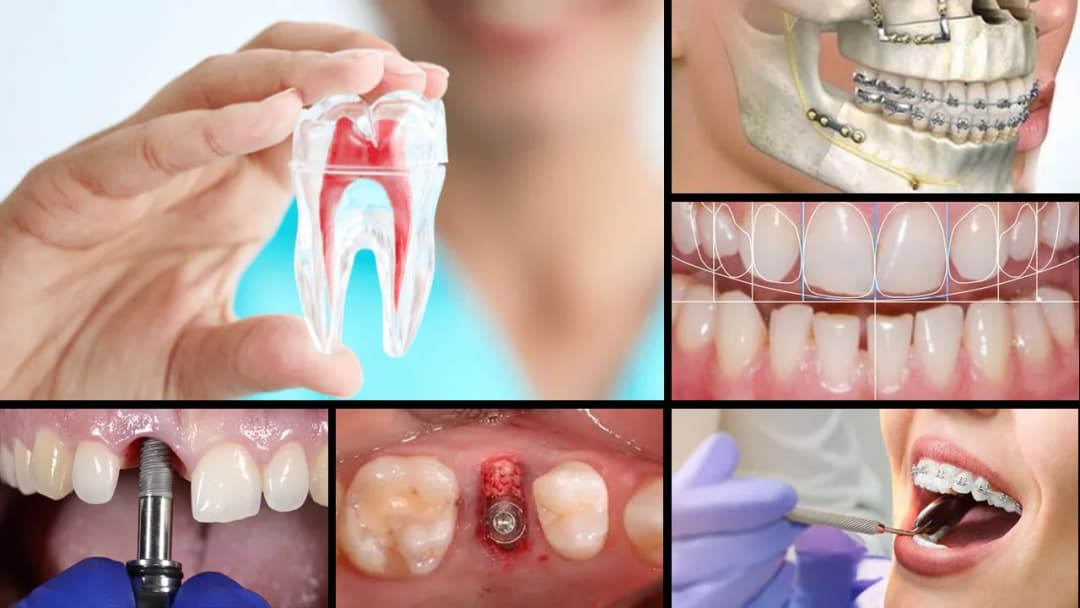
Patients with severe tooth damage or missing teeth may consider dental implants. Implant treatment can involve several stages, including evaluation, surgical placement, healing, and final restoration. Bone grafting or other supporting procedures may become necessary in some cases.
Root canal treatment, gum care, orthodontic procedures, and oral surgery are also widely available. Because every dental case differs, an accurate diagnosis should guide the treatment rather than a general online package.
Dental Implants and Restorative Dentistry in Mexico
Dental implants are among the most frequently researched treatments in Mexican dental tourism. Patients often consider implants when they have lost one or more teeth and want a fixed restoration.
An implant usually works as an artificial tooth root placed in the jawbone. After appropriate healing, the dentist restores the implant with a crown, bridge, or another prosthetic solution. Treatment timing depends on bone quality, oral health, the number of implants, and the selected clinical approach.
Patients considering implants should ask detailed questions about the implant system, treatment stages, and expected follow-up. The lowest advertised price does not always include every part of the procedure. Diagnostic imaging, temporary restorations, bone grafts, abutments, or final crowns may affect the overall cost.
Full-mouth restorative treatments can also involve implant-supported bridges or other extensive rehabilitation methods. These procedures require careful planning because bite balance, jaw position, gum condition, and existing teeth can influence the final outcome.
Patients should expect a thorough evaluation before starting complex restorative care. A strong treatment plan explains the current dental condition, available options, possible limitations, and recommended sequence of procedures.
How Much Do Dental Services in Mexico Cost?
Dental costs in Mexico vary significantly. The type of treatment, clinic location, dentist's experience, laboratory work, materials, and complexity of the case can all influence the final fee.
Simple treatments such as cleaning or fillings generally cost less than procedures involving surgery or custom-made restorations. Crowns and veneers can differ in price depending on the material selected. Implant treatment may include several separate components and appointments.
Patients should request a detailed treatment estimate whenever possible. A clear estimate should explain what the proposed fee includes. This step helps patients compare treatment plans more accurately and reduces the risk of unexpected expenses.
Travel costs also deserve attention. Flights, accommodation, local transportation, meals, and additional visits can change the total budget. Some procedures require more than one trip because the mouth needs time to heal between treatment stages.
Price remains an important consideration, but patients should avoid choosing a dentist based only on the cheapest quote. Dental work directly affects oral function, comfort, and long-term health. A properly planned procedure may offer better value than a low-cost treatment that later requires correction.
How to Choose a Dental Clinic in Mexico
Selecting the right clinic requires careful research. Attractive websites and dramatic before-and-after photographs can create a strong first impression, but patients need more detailed information before scheduling treatment.
Start by reviewing the dentist's professional background and experience with the specific procedure. A dentist who regularly performs cosmetic veneers may not necessarily have the same level of experience with complex implant surgery. The treatment should match the professional's clinical focus.
Patients should also ask about diagnostic procedures. Complex dental treatment often requires appropriate imaging, oral examination, and medical history evaluation. Clinics that recommend major procedures without adequate assessment may create unnecessary risks.
Communication offers another useful indicator. A professional clinic should answer reasonable questions clearly. Patients should understand the proposed treatment, number of appointments, expected recovery, possible alternatives, and aftercare process.
Material information also matters. Patients can ask about implant brands, crown materials, dental laboratories, and restoration options. The clinic should explain why a specific material or technique suits the individual case.
Cleanliness, sterilization procedures, and organized patient care remain essential. Patients should feel comfortable asking about clinic protocols instead of assuming that every practice follows the same approach.
What Should International Patients Expect During Treatment?
International dental patients often begin the process with remote communication. A clinic may request recent dental records, photographs, or X-rays to develop an initial idea of the patient's needs.
This early assessment can help with scheduling, but it may not replace an in-person examination. The dentist may adjust the treatment plan after evaluating the mouth directly and reviewing updated imaging.
At the first appointment, patients should discuss their health history, medications, allergies, previous dental treatments, and current symptoms. Accurate information allows the dental team to plan care more safely.
For extensive procedures, treatment may occur over several days. Dentists sometimes schedule preparation, laboratory stages, fitting, and final adjustments separately. Surgical procedures may require a recovery period before additional treatment continues.
Patients should keep travel plans flexible when possible. Dental treatment does not always follow an exact timetable, particularly when swelling, laboratory adjustments, or unexpected clinical findings occur.
Before leaving the clinic, patients should receive clear instructions about oral hygiene, diet, medication when prescribed, and follow-up. They should also know how to contact the clinic if a concern develops after returning home.
Dental Tourism in Mexico: Planning Your Trip
Dental tourism works best when patients treat the journey as a healthcare trip rather than a standard holiday with a dental appointment added at the last moment.
The first step involves creating enough time for treatment and recovery. A patient undergoing a routine dental procedure may need very little downtime, while implant surgery or extensive restoration can require a more cautious schedule.
Accommodation location can make a difference. Staying close to the clinic reduces unnecessary travel between appointments. Patients who expect multiple visits may find convenience particularly valuable.
Food planning is another small but important detail. After certain dental procedures, patients may need soft foods and should avoid hard or very hot meals. Choosing accommodation near suitable restaurants or having access to simple meal options can make recovery more comfortable.
Patients should also organize their dental documents. Treatment records, implant information, X-rays, invoices, and written care instructions can be useful for future dental appointments in their home country.
Travel insurance and standard healthcare planning deserve separate consideration. Patients should understand what their existing policies cover and prepare for unexpected travel changes.
Is Dental Treatment in Mexico Safe?
Safety depends heavily on the individual clinic, dental professional, procedure, and patient's health condition. It is not accurate to judge every dentist in a country as equally good or equally poor.
Patients can reduce avoidable risks by researching clinics carefully and choosing qualified professionals with relevant treatment experience. A comprehensive examination and honest treatment plan remain important signs of responsible care.
Medical history also affects dental safety. Conditions such as uncontrolled diabetes, certain heart problems, blood clotting disorders, or other health concerns may influence dental treatment. Patients should never hide medical information because they worry that a dentist might postpone a procedure.
Complex procedures deserve particular attention. Dental implant surgery, full-mouth restoration, and advanced oral surgery require careful diagnosis and planning. Patients should understand both the benefits and possible complications before agreeing to treatment.
Aftercare plays an equally important role. Even well-performed dental procedures can develop problems when patients ignore hygiene instructions, smoking restrictions, dietary advice, or follow-up recommendations.
Recovery and Aftercare Following Dental Procedures
Recovery varies according to the treatment. A filling may allow patients to return to their normal routine quickly, while surgical procedures can cause temporary swelling, tenderness, or dietary limitations.
Patients should follow the specific instructions provided by their dental team. General online advice cannot replace individual guidance because the dentist understands the procedure and the patient's clinical condition.
Oral hygiene remains essential, although patients may need to adjust their brushing technique around a surgical area. Dentists may recommend specific cleaning methods during the early healing period.
Smoking can negatively affect oral healing, particularly after surgical treatment. Patients should discuss smoking habits openly with the dentist before the procedure.
Long-term follow-up also matters. Crowns, bridges, veneers, and dental implants require regular care. A completed procedure does not eliminate the need for examinations and professional cleaning.
Patients returning to another country should maintain a relationship with a local dental professional whenever possible. Routine monitoring can help identify small issues before they develop into more complicated problems.
Making an Informed Decision About Dental Care in Mexico
Dental treatment abroad can offer significant advantages for suitable patients, but successful care starts with realistic expectations. Patients should focus on diagnosis, professional experience, treatment quality, and clear communication rather than dramatic promises.
Comparing several clinics can help patients understand different treatment options. However, they should compare complete treatment plans rather than single advertised prices. Two quotes may appear similar while including completely different materials, procedures, or follow-up services.
Patients should ask questions and take time to understand the proposed treatment. A good dental consultation should make the process clearer, not more confusing.
Dental Services in Mexico cover a wide range of preventive, cosmetic, and restorative needs. With careful clinic selection and proper planning, patients can approach their dental journey with greater confidence and a clearer understanding of the treatment process.
Frequently Asked Questions
Are dental services in Mexico suitable for international patients?
Yes, many dental clinics in Mexico regularly treat international patients. Some clinics provide English-speaking support and help coordinate appointments around travel schedules. Patients should still evaluate each clinic individually and confirm its experience with the required treatment.
Why do patients travel to Mexico for dental treatment?
Patients often consider Mexico because of treatment costs, geographic accessibility, and the variety of dental procedures available. Some patients also prefer the possibility of completing multiple dental procedures within an organized treatment schedule.
Can patients get dental implants in Mexico?
Yes. Many clinics offer single dental implants, multiple implants, and implant-supported restorative treatments. Implant candidates usually need a detailed evaluation of their oral health and bone condition before treatment begins.
How long should patients stay in Mexico for dental treatment?
The required stay depends on the procedure. Simple treatments may require only a short visit, while extensive restorations or surgical procedures may need several appointments. Some implant treatments also require separate trips because of healing periods.
Are dental prices the same throughout Mexico?
No. Prices vary according to the city, clinic, treatment complexity, materials, laboratory fees, and dentist's experience. Patients should request a personalized treatment estimate instead of relying only on general price lists.
What should patients ask a Mexican dentist before treatment?
Patients should ask about the diagnosis, recommended procedure, alternatives, treatment stages, materials, total estimated cost, recovery, and follow-up. For implants, patients may also want information about the implant system and restoration process.
Can dental treatment be completed in one visit?
Some treatments can be completed during one trip, but others require several stages. The dentist should determine the appropriate schedule based on the patient's oral condition and treatment needs. Patients should be cautious about unrealistic promises for complex procedures.
What happens if a dental problem develops after returning home?
Patients should contact the treating clinic and explain the problem as soon as possible. Keeping treatment records and X-rays can help another dentist evaluate the situation. Before treatment, patients should ask the clinic how it handles follow-up concerns for international patients.
How can patients prepare for dental services in Mexico?
Patients can prepare by collecting dental records, sharing accurate medical information, researching clinics, requesting a detailed treatment plan, and allowing enough time for recovery. They should also organize accommodation, transportation, and follow-up plans before traveling.