









What Are Dental Implant Clinics in Turkey?
Dental implant clinics in Turkey provide surgical and restorative care through different dentists, teams, and facilities. Providers may operate as private clinics, dental hospitals, oral health centres, or multidisciplinary medical facilities.
Their equipment, staffing structures, specialist access, and laboratory arrangements can vary. Patients should identify the registered facility and dentists responsible for each treatment stage. Price alone cannot establish whether a clinic is suitable.
Why Do International Patients Research Dental Implant Clinics in Turkey?
International patients research Turkish clinics because of provider availability, flight connections, multilingual services, and possible price differences. Many clinics also offer digital imaging, full-arch treatments, accommodation, and airport transfers.
Some providers use different implant systems and restorative materials. These practical factors do not prove superior care. Travel convenience and polished coordination cannot replace clinical quality.
Are All Dental Implant Clinics in Turkey the Same?
No, clinics differ in qualifications, diagnostics, products, laboratories, sterilization, treatment volume, and follow-up. Specialist participation and emergency arrangements can also vary.
One facility may provide comprehensive surgical and prosthodontic planning. Another may divide treatment between separate dentists or external laboratories. Similar website claims can conceal meaningful differences in clinical responsibility.
Who Can Place Dental Implants in Turkey?
Professional roles depend on current regulations, dental qualifications, and each clinician’s permitted scope. Patients should identify the dentist responsible for implant surgery.
General dentists, oral surgeons, periodontists, prosthodontists, and restorative dentists may participate in different treatment stages. Dental assistants provide clinical support within permitted duties. Dental technicians manufacture restorations but do not diagnose patients or perform implant surgery.
Credentials and current authorization should be independently verified. Turkey regulates private oral healthcare facilities through national healthcare rules and provincial health authorities.
Why Does the Implant Dentist’s Experience Matter?
Implant planning requires surgical, anatomical, biological, and restorative judgment. Experience should include diagnosis, imaging interpretation, bone assessment, implant positioning, and soft-tissue management.
Complex procedures may require bone grafting, sinus augmentation, or specialist support. Restorative planning must also consider appearance, cleaning access, and bite forces. Years in practice alone do not guarantee appropriate treatment.
Which Dentists Will Handle Each Treatment Stage?
Patients should confirm every clinician’s responsibilities before booking. Different dentists may perform examination, extraction, implant placement, bone grafting, and restoration.
The clinic should identify who reviews imaging and plans implant positions. Patients should also know who provides temporary teeth, final crowns, bite adjustments, and complication care. These details should appear in writing.
What Qualifications Should an Implant Dentist Have?
An implant dentist should have verifiable dental registration, relevant education, and suitable clinical experience. Training should reflect the planned procedure’s complexity.
Relevant competencies include oral surgery, prosthodontic planning, bone grafting, digital planning, and complication management. Continuing professional education supports current practice. However, one specialty title cannot guarantee treatment success.
How Can Patients Check Whether a Dental Clinic Is Licensed?
Patients should request the clinic’s registered name, physical address, authorization details, and responsible dentists. The commercial brand may differ from the registered healthcare provider.
Patients can ask which authority licenses the facility and where treatment will occur. Sedation arrangements, emergency procedures, and hospital referral plans should also be clear. Implant surgery should occur within an appropriate clinical environment.
International patients should also check current health-tourism authorization where applicable. Turkish authorities publish information and updated announcements concerning authorized health-tourism providers.
What Happens During a Reliable Implant Consultation?
A reliable consultation assesses oral health, bone, medical risks, treatment alternatives, and restorative goals. It should involve more than counting missing teeth.
The dentist should review medical history, medicines, smoking, gum health, infections, tooth mobility, and previous implants. Bite relationships and remaining tooth prognosis also require assessment. Treatment planning should include expected maintenance and long-term follow-up.
Photograph-based quotations may remain provisional until examination and imaging occur. A consultation should not focus only on implant quantity and price.
Which Tests and Images Are Needed Before Dental Implants?
Clinical examination and appropriate imaging help assess teeth, bone, gums, and nearby anatomical structures. Required records vary according to treatment complexity.
Dentists may use panoramic radiographs, small dental X-rays, CBCT imaging, photographs, impressions, or intraoral scans. CBCT means cone-beam computed tomography. It produces three-dimensional information using ionizing radiation.
Medical tests may be requested when clinically indicated. Every radiographic examination should have a clear diagnostic or planning purpose.
Why Is CBCT Important for Implant Planning?
CBCT can show bone dimensions, nerves, sinuses, infections, and anatomical variations. This information may support safer implant positioning.
The scan can reveal bone width, bone height, impacted teeth, and previous implant locations. It may also clarify sinus anatomy in upper-jaw cases. However, imaging does not replace clinical examination or professional judgment.
How Should a Clinic Assess Bone and Gum Health?
Implant planning should evaluate bone support, gum health, infections, and surrounding anatomical structures. Bone quantity alone cannot determine suitability.
Assessment may include bone height, width, quality, gum thickness, and keratinized tissue. Keratinized tissue is the firmer gum surrounding teeth and implants. Active periodontal disease should receive appropriate management before implant treatment.
Untreated inflammation can increase future peri-implant complications. Long-term implant health also depends on cleaning and professional maintenance.
Which Dental Implant Treatments Do Turkish Clinics Offer?
Clinics may offer single implants, implant bridges, overdentures, and full-arch restorations. Available services can also include extractions, grafting, sinus augmentation, and temporary teeth.
All-on-4 and All-on-6 describe full-arch treatment concepts rather than implant brands. Zygomatic implants are different from conventional jaw implants. Each option has distinct indications, limitations, risks, and maintenance requirements.
What Is a Single Dental Implant?
A single implant may support a crown replacing one missing tooth. The implant fixture is placed within the jawbone.
An abutment connects the implant with the crown. Neighbouring teeth, available space, bone, gums, and bite still influence planning. The implant and crown may be placed during separate stages.
What Is an Implant-Supported Bridge?
An implant-supported bridge replaces several teeth using two or more implants. Every missing tooth does not always require a separate fixture.
Planning should provide adequate strength, cleaning access, and suitable load distribution. The number and positions of implants depend on anatomy and prosthetic design. Maintenance beneath the bridge remains important.
What Is All-on-4?
All-on-4 uses four implants to support a full-arch restoration in selected patients. It does not identify one implant manufacturer.
Some patients may receive temporary teeth during the surgical stage. However, temporary restorations differ from final permanent teeth. Bone, primary stability, bite, hygiene, and restorative planning determine suitability.
What Is All-on-6?
All-on-6 generally uses six implants to support a full-arch restoration. More implants do not automatically create better treatment.
Bone availability, implant distribution, prosthesis design, and cleaning access influence the decision. Some patients may need fewer or more implants. The treatment plan should explain the clinical reasoning.
What Are Zygomatic Implants?
Zygomatic implants anchor within the cheekbone for selected severe upper-jaw bone-loss cases. They are longer and anatomically different from conventional implants.
This treatment requires advanced surgical experience and careful risk assessment. It may involve sinus and facial anatomical considerations. Zygomatic treatment should not be presented as a routine alternative to standard implants.
How Should Patients Compare All-on-4 and All-on-6 Clinics?
Patients should compare diagnosis, surgical planning, and restorative design rather than implant quantity. The responsible surgeons and prosthodontic clinicians should be identified.
Comparison should include CBCT planning, implant positioning, temporary teeth, final materials, and bite design. Patients should also examine cleaning access and complication pathways. A package name cannot demonstrate treatment quality.
What Is Bone Grafting?
Bone grafting adds or supports bone where the existing foundation may be insufficient. It may occur before or during implant placement.
Procedures include socket preservation, horizontal augmentation, vertical augmentation, and guided bone regeneration. Materials may come from the patient, human donors, animal sources, or synthetic products. Each option has different risks, limitations, and healing requirements.
Not every implant patient needs grafting. The treatment plan should explain why grafting is proposed.
What Is a Sinus Lift?
A sinus lift increases bone support beneath the upper jaw’s sinus area. It is also called sinus augmentation.
Dentists may use internal or lateral approaches, depending on anatomy and remaining bone. Possible risks include infection, membrane perforation, sinus symptoms, and graft complications. Suitability depends on imaging, sinus health, and the broader treatment plan.
Can Implants and Teeth Be Placed on the Same Day?
Selected patients may receive implants and temporary teeth during one treatment stage. This approach is called immediate loading in appropriate circumstances.
Primary stability means the implant is mechanically stable when placed. Bone quality, bite forces, infection, and patient behaviour affect immediate-loading decisions. Immediate temporary teeth are not automatically the final permanent restoration.
Immediate placement after extraction describes another concept. It means placing an implant into a recently emptied tooth socket. These terms should not be used interchangeably.
What Is Guided Implant Surgery?
Guided surgery uses digital planning and a manufactured guide to support implant positioning. The guide directs selected surgical steps.
Digital systems can improve planning consistency in suitable cases. However, guides have manufacturing, fitting, and placement limitations. Guided surgery cannot remove surgical risk or replace professional judgment.
Which Implant Brands Do Turkish Clinics Use?
Clinics may use international, regional, or domestic implant systems. No implant brand is universally appropriate for every patient.
Patients should check the manufacturer, model, surface, abutment compatibility, and product traceability. Future replacement components should remain accessible. International distribution may matter after returning home.
Regulatory status and warranty terms also require verification. An established product cannot compensate for poor diagnosis, positioning, or restoration.
How Can Patients Verify an Implant Brand?
Patients should request written documentation identifying the exact implant system. A verbal brand statement is insufficient for long-term records.
Documentation may include the manufacturer, model, batch number, dimensions, and abutment details. Product stickers and regulatory information should match the treatment record. Warranty conditions and component availability should also be explained.
What Is an Implant Passport?
An implant passport records identifying information about implanted components. It supports maintenance, repairs, and future dental treatment.
The document may include manufacturer, system, model, dimensions, batch number, placement site, and treatment date. Patients should keep this record permanently. An implant passport improves traceability but cannot guarantee biological success.
Which Crown Materials Do Dental Clinics Offer?
Implant restorations may use zirconia, ceramic, metal-ceramic, acrylic, or composite materials. Their suitability depends on location, design, space, and bite.
Options may include monolithic zirconia, layered zirconia, and porcelain-fused-to-metal crowns. Lithium disilicate may suit selected restorative situations. Acrylic or composite materials commonly appear within temporary prostheses.
Zirconia is not universally superior or unbreakable. Material choice should support function, repairability, appearance, and hygiene.
What Is the Difference Between Temporary and Final Teeth?
Temporary restorations support function and appearance while tissues or implants heal. They may also guide tissue adaptation.
Temporary and final teeth differ in material, fit, strength, appearance, and expected service period. Bite adjustments may occur throughout treatment. A temporary prosthesis should not be marketed as the permanent result.
What Clinical Standards Should a Dental Implant Clinic Follow?
A clinic should provide licensing, infection control, accurate records, and accountable clinical supervision. Patient identity, medical history, diagnosis, and consent should be documented.
Sterile instruments, single-use supplies, surface cleaning, and medicine records remain important. Implant traceability should connect each fixture with the patient’s clinical record. Emergency equipment and trained personnel should be available.
Laboratory prescriptions, discharge instructions, and follow-up arrangements should remain clear. One certificate cannot guarantee consistent clinical quality.
Why Are Sterilization and Infection Control Important?
Implant surgery passes medical devices through oral tissues into the jawbone. Proper infection control therefore remains essential.
Clinical standards include hand hygiene, instrument sterilization, environmental cleaning, and appropriate single-use materials. Patients may ask how treatment rooms and instruments are prepared. Technical claims should match observable clinic practices.
Why Does the Dental Laboratory Matter?
Restoration quality depends partly on laboratory accuracy, materials, design, and communication. Poor restorative work can affect function and maintenance.
Important factors include impression accuracy, framework fit, crown contours, contact points, and bite relationships. The restoration should permit effective cleaning. Repair and replacement options also matter.
An in-house laboratory does not automatically guarantee better results. The clinic should explain who designs and manufactures the final restoration.
How Should Clinics Plan the Bite?
Implant restorations should distribute chewing forces appropriately. Bite planning must consider opposing teeth, jaw relationships, and grinding habits.
Poor force distribution may contribute to discomfort, loosening, fracture, or mechanical overload. Long full-arch restorations require careful planning. Successful treatment involves function and maintenance, not appearance alone.
Can Online Reviews Identify a Reliable Dental Clinic?
Online reviews may reveal communication patterns but cannot confirm clinical competence. Some reviews can be incentivized, selective, or misleading.
Many patients post before final restoration or long-term follow-up. Early satisfaction cannot demonstrate osseointegration or maintenance quality. Reviews should supplement licensing, credential, and treatment-plan checks.
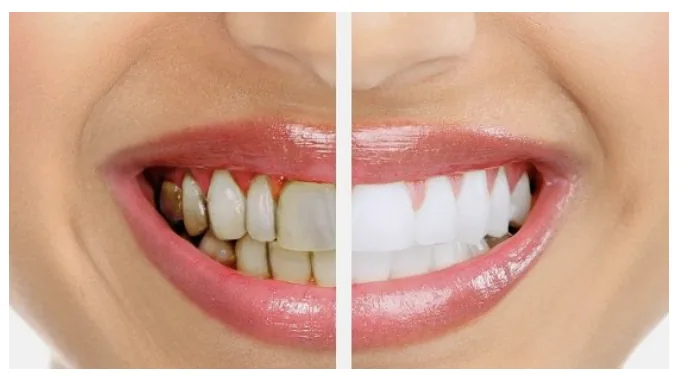
How Should Before-and-After Photographs Be Evaluated?
Photographs should use consistent lighting, angles, and clinical context. They should show the original dental condition and treatment stages.
Useful records may include temporary teeth, final restorations, gums, and bite views. Follow-up duration should be stated. Photographs cannot show bone integration or guarantee another patient’s result.
What Warning Signs Should Patients Notice?
Guaranteed lifetime success, unclear dentist identities, and missing diagnostics require caution. Immediate permanent teeth promised to every patient also deserve scrutiny.
Other warning signs include unverified implant brands and no written product documentation. Pressure to extract restorable teeth or pay immediately should prompt further questions. Missing complication policies and follow-up arrangements are also concerning.
One warning sign does not automatically establish misconduct. However, unresolved concerns may justify seeking another professional opinion.
Should Healthy Teeth Be Removed for Implant Treatment?
Restorable natural teeth should receive careful assessment before extraction. Dental implants do not automatically outperform healthy or treatable teeth.
The dentist should evaluate decay, fractures, gum support, root condition, and restorative alternatives. Extensive extractions permanently change treatment options. Another professional opinion may help before removing several teeth.
What Should a Written Treatment Plan Include?
A written plan should identify diagnoses, procedures, products, treatment stages, and clinical responsibilities. It should state which teeth may remain or require extraction.
The plan should list implant numbers, positions, brands, grafting, and sinus procedures. Temporary restorations, final materials, and responsible dentists should also appear. Healing stages, maintenance, risks, and follow-up require explanation.
Pricing should identify inclusions, exclusions, and possible additional procedures. The plan may change after surgery or healing, but changes require clear discussion.
How Much Do Dental Implant Clinics in Turkey Charge?
Prices vary according to treatment complexity, products, clinicians, laboratories, and package scope. Implant quantity alone cannot explain total cost.
Cost factors include implant systems, extractions, grafting, sinus lifting, sedation, and imaging. Temporary teeth, final materials, laboratory work, and follow-up also influence pricing. Full-arch treatment usually involves several surgical and restorative components.
International packages may include hotels, transfers, and translation. Per-implant prices may exclude abutments, crowns, grafting, or temporary teeth. Cost should be considered alongside clinical accountability.
What Can a Dental Implant Package Include?
Packages may include consultation, examination, imaging, surgery, and restorative procedures. Exact inclusions vary between providers.
Possible services include CBCT, extractions, implant placement, grafting, temporary teeth, abutments, and final crowns. Medicines and follow-up visits may be included separately. Travel packages can add translation, transfers, and accommodation.
Patients should request an itemized quotation. Travel services do not demonstrate dental quality.
How Should Patients Compare Dental Implant Quotations?
Quotations should be compared by clinical scope rather than total price alone. Two similar prices may represent different treatments.
Patients should compare diagnoses, preserved teeth, implant numbers, brands, and components. Grafting, sinus procedures, temporary restorations, and final materials should be listed. Imaging, laboratory work, clinicians, visits, and follow-up also matter.
Additional fees and warranty terms require clarification. Missing information should be resolved before payment.
What Does a Dental Implant Warranty Cover?
Warranty terms vary and rarely cover every biological, mechanical, or travel-related problem. Manufacturer and clinic warranties are separate arrangements.
Coverage may concern implants, crowns, laboratory remakes, or replacement components. Exclusions can involve smoking, missed maintenance, poor hygiene, or unapproved repairs. Travel and accommodation costs may remain the patient’s responsibility.
Written terms should explain duration, conditions, and claim procedures. A warranty cannot guarantee osseointegration or lifelong implant survival.
Should Patients Pay a Deposit Before Treatment?
Deposit policies vary, but payment terms should be clear before transferring money. Patients should verify the registered recipient and receive an invoice.
Written terms should explain refunds, cancellations, date changes, currency, and included procedures. They should also address treatment-plan changes after examination. Payments to unidentified personal accounts require caution.
What Follow-Up Should a Dental Implant Clinic Provide?
Follow-up should monitor wound healing, integration, gums, bite, hygiene, and restoration performance. Early reviews may assess sutures, swelling, infection, and temporary teeth.
Later appointments may include imaging, impressions, crown fitting, and bite adjustment. Long-term maintenance should examine peri-implant tissues and cleaning effectiveness. Patients need a clinical contact after returning home.
How Should Clinics Manage Implant Complications?
Clinics should provide clear pathways for assessing and treating complications. The responsible dentist and emergency contact should be identified.
Possible problems include infection, pain, numbness, sinus symptoms, implant mobility, and failed integration. Restorative complications include loose crowns, screw fractures, prosthesis breakage, and bite problems. Specialist or hospital referral may become necessary.
Patients should understand responsibility for unexpected treatment, revisions, and travel costs. A complication does not automatically indicate negligence.
What Are the Risks of Dental Implant Treatment?
Dental implants carry surgical, biological, mechanical, and restorative risks. Common temporary effects include pain, swelling, bleeding, and bruising.
Possible complications include infection, delayed healing, implant failure, nerve injury, and altered sensation. Sinus problems, graft failure, gum recession, and appearance concerns can occur. Crowns, screws, ceramics, or full-arch prostheses may loosen or fracture.
Peri-implantitis can damage supporting bone around an implant. Risks vary with health, smoking, anatomy, planning, surgery, restoration, and maintenance.
Can Dental Implants Fail?
Dental implants can fail during healing or after years of function. Osseointegration describes the biological connection between bone and the implant surface.
Integration is not guaranteed. Infection, smoking, uncontrolled diabetes, gum disease, positioning, bite forces, and poor hygiene may influence failure.
An implant may become mobile or lose supporting bone. Failure does not always mean another fixture can be placed immediately. Further diagnosis and healing may be required.
What Is Peri-Implantitis?
Peri-implantitis involves inflammation and progressive supporting bone loss around an implant. It differs from peri-implant mucositis, which affects soft tissues without established bone loss.
Possible signs include bleeding, swelling, discharge, gum changes, or radiographic bone loss. Untreated disease may threaten implant stability. Regular cleaning and professional maintenance remain necessary.
When Should Patients Contact the Clinic Urgently?
Severe pain, uncontrolled bleeding, persistent numbness, or spreading swelling requires prompt assessment. Fever, discharge, bad taste, or odour may suggest infection.
Implant movement, temporary bridge movement, sinus symptoms, or delayed healing also require review. Breathing or swallowing difficulties need urgent local medical care. Patients should not rely solely on remote messages during emergencies.
How Many Visits to Turkey May Be Needed?
Visit numbers depend on surgery, healing, grafting, and restorative stages. One-trip treatment is unsuitable for many patients.
The first visit may include examination, imaging, extractions, implant placement, and temporary restorations. Healing may occur before final impressions and permanent teeth. Further visits may include fitting, bite adjustments, and follow-up.
Bone grafting or sinus treatment can extend the timeline. Clinics should not promise final permanent teeth during every short visit.
How Should International Patients Plan Dental Implant Travel?
International patients should plan around treatment stages, recovery, diet changes, and follow-up access. Online assessments cannot replace clinical examination and imaging.
Patients should collect dental records and confirm treatment dates, accommodation, transport, translation, and payment methods. Multiple visits and temporary restorations may be necessary. Travel insurance may exclude elective dental treatment or related complications.
Local emergency options and remote follow-up should be arranged before treatment. Implant surgery should not be treated as an ordinary holiday activity.
Can Patients Fly After Dental Implant Surgery?
Flight timing depends on surgical complexity, swelling, bleeding, and additional procedures. Bone grafting or sinus lifting may affect travel recommendations.
Limited follow-up access can complicate unexpected symptoms during travel. Cabin conditions may also increase discomfort. No universal waiting period suits every patient.
Individual advice should come from the treating dentist. The clinic should provide written warning signs and contact details.
What Questions Should Patients Ask Dental Implant Clinics?
Patients should confirm credentials, products, procedures, costs, treatment stages, and follow-up before booking.
- What is the clinic’s registered medical name?
- Where will treatment take place?
- Who will perform the implant surgery?
- What are the dentist’s qualifications?
- Who will design the final restoration?
- Which implant brand and model will be used?
- Will I receive an implant passport?
- Which imaging is required?
- Do I need bone grafting or sinus lifting?
- Which teeth can be preserved?
- Which teeth are proposed for extraction?
- Will temporary teeth be provided?
- When will final teeth be fitted?
- Which crown material is included?
- What complications are most relevant?
- How are implant failures managed?
- What follow-up is included?
- What does the warranty cover?
- Who will help after I return home?
- What does the quotation exclude?
How Can MediFinder Support Dental Clinic Research?
MediFinder can support structured research into dentists, clinics, hospitals, locations, and treatment categories. Users may compare listed profiles, services, and communication options.
These details can help patients prepare consultation questions and create a shortlist. Licensing, qualifications, products, prices, and treatment suitability require independent verification. MediFinder does not diagnose dental conditions, rank clinics, or guarantee outcomes.
Frequently Asked Questions About Dental Implant Clinics in Turkey
Are dental implant clinics in Turkey safe?
Some Turkish dental clinics provide appropriate implant care, but safety varies between facilities. Patients should verify licensing, dentist credentials, imaging, sterilization, implant traceability, and emergency planning. They should also review restorative planning and follow-up. Country location alone cannot establish treatment safety.
Why do international patients choose dental clinics in Turkey?
International patients research Turkey because of provider availability, travel connections, multilingual services, and varied treatment packages. Some clinics also offer digital imaging and full-arch procedures. Possible cost differences may influence decisions. These factors do not prove superior clinical care.
How can I verify a dental implant clinic in Turkey?
Request the clinic’s registered name, physical address, authorization details, and responsible dentists. Verify professional credentials and health-tourism authorization where applicable. Confirm the treatment location, implant documentation, emergency procedures, and hospital referral plan. Marketing names alone are insufficient.
Who should place dental implants?
A properly qualified dentist with relevant implant experience should place dental implants. Complex cases may require an oral surgeon, periodontist, or multidisciplinary team. The clinician should understand surgical and restorative planning. Patients should identify who manages complications and follow-up.
What qualifications should an implant dentist have?
An implant dentist should hold verifiable dental registration and relevant education or clinical training. Experience should include imaging, anatomy, placement, restoration, and complication management. Complex grafting or sinus procedures require suitable competence. One qualification title cannot guarantee successful treatment.
How can I verify the implant brand?
Ask for the manufacturer, system, model, batch number, dimensions, and regulatory information. Request product stickers and an implant passport after placement. Warranty terms and future component availability should also be confirmed. A verbal brand claim provides inadequate long-term documentation.
What is an implant passport?
An implant passport records identifying details about implanted fixtures and components. It may include the manufacturer, model, dimensions, batch number, site, and treatment date. Patients should retain it for future maintenance or repairs. The document supports traceability but cannot guarantee success.
Is All-on-4 suitable for everyone?
No, All-on-4 is not suitable for every patient. Bone, gums, bite, health, smoking, and cleaning ability influence candidacy. Some patients need grafting or another implant distribution. A full clinical and radiographic assessment should guide treatment.
Is All-on-6 better than All-on-4?
No, All-on-6 is not automatically better than All-on-4. Implant number should reflect anatomy, bone, prosthetic design, and force distribution. Additional implants may provide options in selected cases. However, they also require adequate space and suitable positioning.
Can implants and temporary teeth be placed on the same day?
Selected patients may receive implants and temporary teeth during one treatment stage. This requires suitable primary stability, bone, bite, and infection control. The temporary teeth are not necessarily final restorations. Immediate loading remains inappropriate for some patients.
Do all implant patients need bone grafting?
No, bone grafting is not required for every implant patient. Need depends on bone volume, implant positioning, anatomy, and restorative planning. Some patients have adequate existing bone. Others may need grafting before or during implant placement.
How can I compare dental implant quotations?
Compare diagnoses, preserved teeth, implant numbers, brands, grafting, temporary teeth, and final materials. Review the responsible clinicians, laboratory work, imaging, visits, follow-up, and warranty conditions. Check every exclusion and additional fee. Similar totals may represent different treatments.
Why do clinic prices differ?
Prices differ because treatment plans, products, clinicians, laboratories, and service packages vary. Grafting, sinus procedures, extractions, imaging, temporary teeth, and crown materials affect cost. Accommodation and transfers may also appear within packages. Price alone cannot establish clinical value.
Should I choose the cheapest dental clinic?
No, the cheapest clinic should not be selected solely because of price. A low quotation may be appropriate or may exclude essential components. Compare diagnosis, credentials, implant traceability, restoration quality, and follow-up. Request an itemized treatment plan.
How many visits to Turkey are needed?
The required visits depend on implant placement, healing, grafting, and final restoration. Some patients need at least separate surgical and restorative stages. Complex treatments may require additional appointments. One short visit cannot suit every implant case.
Can patients fly after dental implant surgery?
Flying may be possible, but timing depends on the operation and recovery. Grafting, sinus lifting, bleeding, swelling, or pain may affect travel. Limited access to follow-up also matters. The treating dentist should provide individualized travel advice.
What happens if an implant fails after returning home?
Contact the treating clinic and seek local dental assessment when necessary. Remote photographs cannot always establish the cause. Patients should review warranty, revision, and travel-cost terms before treatment. Emergency symptoms require immediate local care.
How can MediFinder help compare dental clinics?
MediFinder can help users research listed dentists, dental clinics, hospitals, locations, and services. Profiles can support shortlist creation and consultation planning. Patients should independently verify credentials, licences, products, costs, and suitability. MediFinder does not rank clinics or guarantee results.