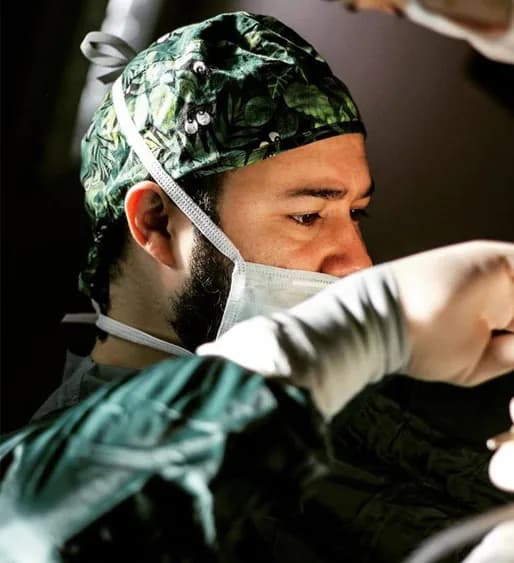










What Are Breast Surgery Clinics in Turkey?
Breast surgery clinics provide cosmetic or reconstructive procedures through different surgeons, teams, and medical facilities. Providers may operate within hospitals, medical centres, or private plastic surgery clinics.
Some marketing clinics arrange operations inside separate hospitals. Patients should identify both the commercial provider and operating facility. Price alone cannot establish clinical suitability.
Why Do International Patients Research Breast Surgery Clinics in Turkey?
Patients research Turkey because of provider availability, international flights, multilingual support, and varied treatment packages. Clinics may offer augmentation, lifting, reduction, implant removal, or revision procedures.
Some providers work with several implant systems and international patients. Possible price differences may also influence comparisons. Accommodation and transfers do not establish surgical quality.
Are All Breast Surgery Clinics in Turkey the Same?
No, clinics differ in surgeons, facilities, protocols, patient volume, and postoperative care. Anaesthesia teams, implant systems, and overnight monitoring can also vary.
Providers may follow different infection-control, emergency, revision, and complication-management policies. Similar marketing claims can conceal important clinical differences. Every provider needs independent assessment.
Who Can Perform Breast Surgery in Turkey?
Breast surgery should be performed by an appropriately qualified and currently authorized surgeon. Patients should confirm the responsible surgeon’s specialty and professional registration.
Coordinators, nurses, and assistants have different clinical roles. Their involvement should not replace surgical assessment. Current credentials should be independently verified where possible.
Why Does Plastic Surgeon Experience Matter?
Breast surgery requires anatomical, surgical, and aesthetic judgment. Relevant experience includes augmentation, lifting, reduction, asymmetry management, and revision surgery.
The surgeon should understand scarring, tissue quality, implant complications, and long-term follow-up. Years in practice alone cannot guarantee appropriate treatment.
Which Parts of the Treatment Will the Surgeon Manage?
Patients should confirm the surgeon’s responsibilities before paying a deposit. These responsibilities may include examination, procedure selection, surgical markings, operation, and postoperative review.
The surgeon should also manage complications and revision decisions. Implant selection and drain decisions require clear clinical responsibility. Patients should obtain these details in writing.
What Qualifications Should a Breast Surgeon Have?
A breast surgeon should have verifiable surgical credentials and relevant breast surgery experience. Recognized plastic surgery training is an important consideration.
Experience should include implants, breast lifts, reductions, revisions, and complication management. Hospital operating privileges and professional accountability also matter. One certificate cannot guarantee successful results.
How Can Patients Check Whether a Clinic Is Licensed?
Patients should verify the marketing clinic and operating facility separately. They should request registered names, addresses, authorizations, and responsible clinicians.
Checks should cover the surgeon, anaesthetist, operating room, overnight care, and emergency access. A sales office may differ from the surgical location. Major breast surgery requires an appropriate operating environment.
Turkey maintains official information about healthcare providers authorized for international health tourism. Patients should verify current authorization directly through official channels.
What Breast Procedures Do Turkish Clinics Offer?
Clinics may offer augmentation, lifting, reduction, implant removal, replacement, and revision procedures. Some providers also offer fat transfer or combined surgery.
Each operation has different indications, scars, risks, and recovery requirements. Breast reconstruction follows a separate pathway from routine cosmetic surgery. Procedure names should not be treated as interchangeable.
What Is Breast Augmentation?
Breast augmentation increases breast volume using implants or selected fat-transfer techniques. Implants are medical devices placed to change breast shape or volume.
Implants vary by material, size, profile, surface, and shape. Augmentation cannot correct every degree of breast sagging. Future ageing and weight changes still affect results.
What Is a Breast Lift?
A breast lift reshapes and elevates breast tissue and skin. The medical term for this procedure is mastopexy.
The surgeon may reposition the nipple and areola. The areola is the pigmented skin surrounding the nipple. A lift creates scars and does not automatically add substantial volume.
What Is Breast Reduction?
Breast reduction removes selected breast tissue, fat, and skin. The procedure aims to reduce breast size, weight, or associated discomfort.
Reduction may also reshape the breast and reposition the nipple. It creates permanent scars and may affect sensation or breastfeeding. Surgical risks should receive detailed discussion.
What Is Breast Augmentation With a Lift?
Combined augmentation and lifting add volume while reshaping sagging tissue. This operation is more complex than either procedure alone.
A surgeon must balance implant volume, skin removal, nipple position, and tissue blood supply. Some patients may benefit from staged surgery. One-stage treatment is not appropriate for everyone.
What Is Breast Implant Removal?
Implant removal takes existing implants from their surgical pockets. An implant pocket is the space created for the device.
Removal may follow rupture, capsular contracture, symptoms, preference, or changing goals. Surgery can leave volume loss, looseness, or shape changes. Some patients consider removal with lifting.
What Is Fat-Transfer Breast Augmentation?
Fat-transfer augmentation uses processed fat collected from another body area. The surgeon transfers selected fat into the breasts.
Some transferred fat may not survive permanently. The procedure usually provides a smaller volume increase than implants. Fat transfer also carries harvesting and graft-related risks.
Who May Be Suitable for Breast Surgery?
Suitable candidates generally have stable health, realistic expectations, and appropriate anatomy. Breast development should usually be complete before elective surgery.
Patients should understand scars, recovery, and possible revision needs. Stable weight and postoperative support are important. Online photographs cannot replace physical examination.
Who May Need to Postpone Breast Surgery?
Pregnancy, breastfeeding, active infection, or untreated breast symptoms may require postponement. Recent major weight changes can also affect planning.
Unexplained lumps, discharge, or abnormal imaging require assessment before elective surgery. Poor healing, uncontrolled illness, or significant bleeding risk may prevent treatment. Final suitability requires clinical evaluation.
What Happens During a Reliable Breast Surgery Consultation?
A proper consultation evaluates medical history, breast anatomy, goals, and surgical alternatives. Medicines, allergies, smoking, pregnancy history, and previous surgery should receive review.
The surgeon should examine skin quality, sagging, asymmetry, nipple position, and chest-wall differences. Family history and breast symptoms also matter. Breastfeeding goals and future pregnancy plans should receive discussion.
The consultation should explain scars, implants, risks, recovery, and follow-up. Photograph-based quotations remain provisional until examination. Price and implant size should not dominate the consultation.
Is Breast Imaging Needed Before Surgery?
Breast imaging depends on age, symptoms, history, and examination findings. Mammography or ultrasound may be appropriate in selected patients.
Cosmetic surgery does not replace routine breast screening. Suspicious symptoms require investigation before surgery. No single imaging test suits every patient.
How Should a Surgeon Select Breast Implants?
Implant selection should reflect chest anatomy, tissue quality, and patient goals. Cup size alone cannot determine an appropriate implant.
The surgeon should consider breast width, skin elasticity, tissue coverage, desired volume, and lifestyle. Implant manufacturer, profile, surface, shape, and future monitoring also matter. Social media photographs are unsuitable selection tools.
What Is the Difference Between Silicone and Saline Implants?
Silicone implants contain silicone gel, while saline implants contain sterile saltwater. Their feel, rupture patterns, and availability differ.
Silicone rupture may remain less obvious than saline deflation. Incision requirements and monitoring considerations may also differ. Regulatory availability varies between countries.
Neither type is universally safer or better. The surgeon should explain relevant benefits and limitations.
Does Implant Shape Matter?
Implant shape influences breast contour but cannot determine the result alone. Common options include round and anatomically shaped implants.
Tissue coverage, chest anatomy, rotation risk, and desired contour affect selection. Anatomically shaped implants may change appearance if rotation occurs. Measurements should guide the decision.
Does Implant Placement Matter?
Implant placement affects tissue coverage, movement, appearance, and recovery. Possible positions include subglandular, subfascial, submuscular, and dual-plane placement.
Subglandular placement sits beneath breast tissue. Submuscular placement places the implant partly or fully beneath chest muscle. Dual-plane placement combines different tissue relationships.
Each position has advantages, limitations, and specific risks. No placement is universally superior.
Which Incisions Can Be Used for Breast Augmentation?
Incision choice depends on anatomy, implant characteristics, and surgical planning. Common approaches include inframammary, periareolar, and transaxillary incisions.
An inframammary incision lies beneath the breast crease. A periareolar incision follows part of the areola border. A transaxillary incision sits within the armpit.
Each approach affects access, scars, sensation, and revision options. No incision produces an invisible scar.
Can Breast Surgery Create Perfect Symmetry?
No, perfect breast symmetry cannot be guaranteed. Natural differences may involve ribs, chest muscles, breasts, nipples, and shoulders.
Surgery may improve asymmetry without eliminating every difference. Swelling can also create temporary imbalance during recovery. Guaranteed symmetry claims require caution.
What Clinical Standards Should a Breast Surgery Clinic Follow?
A clinic should use licensed facilities, qualified teams, and documented safety procedures. Medical history, identity, consent, and preoperative assessment require proper documentation.
Standards should include infection control, implant traceability, anaesthetic assessment, and vital-sign monitoring. Emergency equipment and recovery-room care should remain available. Discharge criteria and follow-up pathways should be clear.
One accreditation or certificate cannot guarantee consistent safety.
Why Is the Anaesthesia Team Important?
General anaesthesia requires independent assessment and continuous monitoring. The anaesthetist evaluates medical risks, airway factors, and medicine requirements.
Responsibilities include vital-sign monitoring, pain management, nausea control, and emergency response. Recovery must also receive assessment before discharge. Patients should know who provides anaesthesia and where.
Should Patients Stay Overnight After Breast Surgery?
Overnight monitoring depends on health, procedure complexity, anaesthesia, and surgeon policy. Combined procedures may require closer observation.
Pain, nausea, bleeding risk, operating time, and travel distance can influence the decision. Same-day discharge is not automatically safer or less safe. Discharge should follow clinical criteria.
What Warning Signs Should Patients Notice Before Booking?
Guaranteed symmetry, scarless surgery, and lifetime implant promises require caution. Missing physical examination or breast-health assessment also raises concern.
Patients should question unclear surgeons, hospitals, anaesthetists, or implant documentation. Pressure to choose implants quickly is inappropriate. Surgery immediately after arrival may allow inadequate assessment.
Missing treatment plans, complication policies, and follow-up arrangements are important warning signs. One concern does not automatically prove misconduct.
Can Online Reviews Identify a Reliable Clinic?
Online reviews may reveal communication patterns but cannot verify surgical competence. Some reviews may be selective, incentivized, false, or written prematurely.
Early reviews cannot show mature scars, implant position, or long-term complications. Patients should compare several independent platforms. Reviews should support credential and facility checks.
How Should Before-and-After Photographs Be Evaluated?
Photographs should use comparable lighting, angles, posture, and follow-up periods. They should show preoperative asymmetry and expected scar locations.
Side views can help assess projection and implant position. Bras, tape, posture, lighting, and editing may alter perceived results. Photographs cannot guarantee another patient’s outcome.
What Should a Written Treatment Plan Include?
A written plan should identify the procedure, surgeon, hospital, products, risks, and follow-up. It should describe reasonable alternatives.
Implant plans should include manufacturer, possible size range, profile, surface, placement, and incision. Lift or reduction plans should explain likely scars. The anaesthetist and overnight arrangements should also appear.
The quotation should list medicines, garments, follow-up, and revision policies. Final details may change after examination or surgical findings.
How Much Do Breast Surgery Clinics in Turkey Charge?
Prices vary by operation, surgeon, hospital, products, and package scope. Procedure complexity and combined surgery can significantly affect costs.
Other factors include implants, anaesthesia, tests, operating-room fees, overnight care, medicines, and garments. Translation, accommodation, and transfers may increase package prices. Currency changes may also affect international patients.
Advertised prices may exclude implants, hospital costs, tests, or revisions. Cost should be considered alongside surgical accountability.
What Can a Breast Surgery Package Include?
Packages may include consultations, tests, surgeon fees, hospital care, anaesthesia, implants, and postoperative medicines. Some include an overnight stay and compression garment.
International packages may add translation, airport transfers, and accommodation. Patients should request an itemized quotation. Travel services do not demonstrate surgical quality.
What Does an Implant Warranty Cover?
Implant warranties vary and do not cover every complication or expense. Manufacturer coverage differs from clinic revision policies.
Some programmes may cover device replacement after rupture. Others may include limited capsular contracture support. Surgeon, hospital, anaesthesia, and travel costs may remain excluded.
Patients should request written conditions. A warranty cannot guarantee complication-free surgery.
Should Patients Pay a Deposit Before Consultation?
Deposit policies vary, but terms should remain transparent before payment. Patients should verify the registered recipient and request an invoice.
Written policies should explain refunds, cancellations, date changes, implant costs, and additional charges. Treatment-plan changes should also receive coverage. Payments to unidentified personal accounts require caution.
What Is Recovery Like After Breast Surgery?
Recovery varies by operation, implant placement, health, and healing response. Temporary effects may include pain, tightness, swelling, bruising, and fatigue.
Arm movement can feel limited during early recovery. Breast firmness, numbness, and nipple sensitivity changes may occur. Swelling can temporarily affect position and symmetry.
Scars often appear red or raised during early healing. Final results require time to settle.
When Can Patients Return to Work and Exercise?
Return timing depends on surgery, healing, occupation, and activity demands. Desk work differs from lifting, childcare, or physical employment.
Driving requires comfortable movement and safe reaction ability. Upper-body exercise may require additional restriction. No universal return date suits every patient.
The treating surgeon’s instructions should take priority.
Will Breast Surgery Affect Breastfeeding?
Some patients can breastfeed after surgery, but this ability cannot be guaranteed. Procedure type, incision, tissue removal, and nerve changes can affect function.
Breast reduction may influence breastfeeding more than selected augmentation procedures. Existing breast function also matters. Future pregnancy and feeding goals should receive discussion before surgery.
Can Breast Surgery Change Nipple Sensation?
Nipple sensation can increase, decrease, or disappear after breast surgery. Changes may be temporary or permanent.
Incisions, tissue movement, swelling, nerve anatomy, and procedure type influence sensation. One breast may respond differently from the other. Sensation outcomes cannot be guaranteed.
What Are the Risks of Breast Surgery?
Breast surgery carries surgical, anaesthetic, implant-related, and cosmetic risks. Temporary effects include pain, swelling, bruising, tightness, and numbness.
Possible complications include bleeding, haematoma, infection, seroma, poor healing, and wound separation. Haematoma means a collection of blood. Seroma means a collection of clear fluid.
More serious risks include skin loss, nipple necrosis, blood clots, and anaesthetic complications. Permanent sensation changes, asymmetry, and unfavourable scars may occur.
Implant risks include rupture, contracture, malposition, rotation, rippling, bottoming out, and symmastia. Symmastia describes implants moving toward the chest centre. Revision surgery may become necessary.
What Is Capsular Contracture?
Capsular contracture occurs when scar tissue around an implant tightens abnormally. The body naturally forms a capsule around every implant.
Abnormal tightening may cause firmness, discomfort, displacement, or shape changes. Severity varies between patients. Treatment may require monitoring or further surgery.
Can Breast Implants Rupture?
Both saline and silicone implants can rupture. Saline rupture usually causes visible deflation as fluid leaves the shell.
Silicone rupture may produce few immediate changes. Imaging may be considered according to implant type, symptoms, and clinical guidance. Rupture can require implant removal or replacement.
What Is Breast Implant Malposition?
Implant malposition means an implant has shifted from its intended position. It may move downward, sideways, upward, or toward the chest centre.
Bottoming out describes excessive downward movement. Tissue quality, pocket changes, trauma, or implant characteristics can contribute. Correction may require revision surgery.
Do Breast Implants Last Forever?
No, breast implants should not be considered lifetime devices. They may require monitoring, removal, replacement, or revision.
Replacement is not required after one fixed number of years. Decisions depend on symptoms, findings, preferences, and clinical assessment. Ageing, pregnancy, and weight changes still affect breast shape.
What Is BIA-ALCL?
BIA-ALCL is an uncommon lymphoma associated particularly with certain textured breast implants. It is not breast cancer.
The condition usually affects the capsule or fluid surrounding an implant. Persistent swelling, fluid, a mass, or breast changes require assessment. Early evaluation remains important.
What Is Breast Implant-Associated Squamous Cell Carcinoma?
Breast implant-associated squamous cell carcinoma is a rare reported capsule-related condition. It differs from BIA-ALCL and ordinary breast cancer.
Persistent swelling, pain, masses, or implant changes require medical assessment. Its rarity should not prevent appropriate symptom investigation.
What Is Breast Implant Illness?
Breast implant illness describes systemic symptoms some patients associate with their implants. Reported symptoms may include fatigue, concentration problems, pain, or mood changes.
These symptoms can have several possible causes. Medical evaluation should consider implant and non-implant explanations. Patients’ concerns should not be dismissed.
When Should Patients Contact Their Clinic Urgently?
Severe pain, rapid swelling, breathing problems, or wound changes require prompt assessment. Sudden one-sided enlargement may indicate bleeding or fluid collection.
Fever, spreading redness, discharge, wound opening, or darkening skin also needs review. Nipple colour changes can signal impaired blood supply. Persistent vomiting or allergic symptoms require medical attention.
Chest pain, breathlessness, calf swelling, or uncontrolled bleeding requires urgent local care.
What Follow-Up Should a Breast Surgery Clinic Provide?
Follow-up should monitor wounds, scars, implants, pain, swelling, and complications. Early reviews may assess dressings, drains, infection, and breast position.
Later visits may cover scars, activity, garments, screening, and implant monitoring. Patients should know who answers medical questions after leaving Turkey. Remote communication cannot replace urgent local examination.
How Should Clinics Manage Complications?
Clinics should provide clear pathways for postoperative complications. Patients need the responsible surgeon’s contact and hospital-assessment instructions.
Management may require imaging, wound care, antibiotics, drainage, or reoperation. Implant complications can require removal, replacement, or revision. Local medical coordination may become necessary after travel.
Patients should understand responsibility for treatment, hospital, implant, and travel costs. A complication does not automatically indicate negligence.
How Should International Patients Plan Breast Surgery Travel?
International patients should allow time for consultation, surgery, recovery, and postoperative checks. Online assessment cannot replace physical examination.
Plans should include testing, hospital stay, recovery accommodation, and an adult companion. Luggage limits and compression garments may affect travel. Travel insurance may exclude elective surgery complications.
Patients should arrange local emergency access and remote follow-up. Breast surgery should not be treated as an ordinary holiday activity.
Can Patients Fly After Breast Surgery?
Flight timing depends on surgery, clot risk, healing, and medical review. Long journeys may increase discomfort and complicate postoperative monitoring.
Patients should discuss clot prevention, swelling, pain, luggage lifting, and emergency access. No universal waiting period suits everyone. Individual advice should come from the surgeon and anaesthesia team.
What Questions Should Patients Ask Breast Surgery Clinics?
Patients should confirm credentials, facility standards, implant details, costs, risks, and follow-up before booking.
-
What is the clinic’s registered medical name?
-
Where will the operation take place?
-
Who is the responsible surgeon?
-
What is the surgeon’s specialty?
-
Is the surgeon currently registered?
-
Who will provide anaesthesia?
-
Which hospital will be used?
-
Is overnight care available?
-
Which procedure is recommended?
-
What alternatives should be considered?
-
Which implant manufacturer may be used?
-
Will implant documentation be provided?
-
Which implant surface is proposed?
-
What scars should be expected?
-
Can surgery affect sensation or breastfeeding?
-
Which risks apply to this case?
-
How are complications managed?
-
What happens if revision becomes necessary?
-
Which follow-up visits are included?
-
Who provides support after returning home?
-
What does the quotation exclude?
How Should Patients Compare Clinic Quotations?
Quotations should be compared by clinical scope rather than total price alone. Patients should compare the surgeon, hospital, anaesthesia, and proposed operation.
Implant manufacturer, hospital fees, tests, overnight care, medicines, and garments may differ. Follow-up, complication, and revision policies also require comparison. Accommodation and transfers can influence package totals.
Similar prices may represent very different safety and treatment arrangements.
How Can MediFinder Support Clinic Research?
MediFinder can support structured research into plastic surgeons, clinics, hospitals, locations, and procedures. Users may compare listed profiles, services, and communication options.
These details may help patients prepare questions and create a shortlist. Licences, qualifications, products, prices, and suitability require independent verification. MediFinder does not diagnose conditions, rank clinics, or guarantee outcomes.
Frequently Asked Questions About Breast Surgery Clinics in Turkey
Are breast surgery clinics in Turkey safe?
Some Turkish clinics may provide appropriate surgical care, but safety varies between providers. Patients should verify surgeons, facilities, anaesthesia, emergency arrangements, and follow-up. Implant traceability and complication policies also matter. Turkey alone cannot establish treatment safety.
Why do international patients research breast surgery clinics in Turkey?
Patients research Turkey because of provider availability, international flights, multilingual support, and varied treatment packages. Possible price differences may influence comparisons. Some providers have experience with international patients. These factors do not prove superior surgical care.
How can I verify a breast surgery clinic?
Request the registered clinic, operating hospital, surgeon, anaesthetist, and authorization details. Verify professional credentials independently where possible. Confirm emergency access, overnight care, and postoperative support. A marketing brand alone provides insufficient verification.
Who should perform breast surgery?
An appropriately qualified plastic surgeon should perform elective cosmetic breast surgery. The surgeon should assess anatomy, health, alternatives, and risks. Nurses and coordinators may provide support but cannot replace surgical judgment. The responsible surgeon must remain identifiable.
What qualifications should a breast surgeon have?
The surgeon should have verifiable registration, recognized plastic surgery training, and relevant breast surgery experience. Revision and complication-management experience also matter. Hospital operating privileges support accountability. No certificate guarantees a successful outcome.
Which breast surgery procedure may be suitable?
Suitability depends on anatomy, tissue quality, sagging, volume goals, health, and expectations. Augmentation, lifting, reduction, removal, and fat transfer serve different purposes. Some patients need combined or staged treatment. Physical examination is necessary.
What is the difference between augmentation and a breast lift?
Augmentation increases volume, while a breast lift reshapes and elevates existing tissue. A lift does not automatically add significant volume. Augmentation cannot correct every degree of sagging. Some patients may need both procedures.
Can breast augmentation and lifting be combined?
Yes, augmentation and lifting can be combined for selected patients. The operation adds volume while reshaping sagging tissue. Combined surgery increases planning complexity and risk. Some patients may benefit from staged procedures.
Do breast implants last forever?
No, breast implants are not lifetime devices. They may require monitoring, removal, replacement, or revision. There is no fixed replacement date for every patient. Decisions depend on symptoms, findings, and preferences.
How can I verify the breast implant brand?
Request the manufacturer, model, size, profile, surface, serial details, and placement records. Patients should receive an implant card or device documentation. Keep these records permanently. A verbal brand statement is insufficient.
Can breast surgery create perfect symmetry?
No, perfect symmetry cannot be guaranteed. Natural differences in ribs, muscles, breasts, nipples, and shoulders may remain. Surgery can improve balance without creating mirror-image breasts. Swelling may also cause temporary asymmetry.
Will breast surgery leave scars?
Yes, breast surgery creates permanent scars. Their positions depend on the procedure and incision pattern. Scars usually change during healing but may remain visible. Individual scarring cannot be predicted perfectly.
Can breast surgery affect breastfeeding?
Yes, breast surgery can affect breastfeeding ability. Risk depends on the operation, incision, tissue removal, nerves, and existing function. Reduction may have a greater impact than some augmentations. Future feeding goals require discussion.
Can breast surgery change nipple sensation?
Yes, nipple sensation can increase, decrease, or disappear after surgery. Changes may be temporary or permanent. Incisions, swelling, tissue movement, and nerve anatomy affect outcomes. Sensation cannot be guaranteed.
What is capsular contracture?
Capsular contracture occurs when scar tissue around an implant tightens abnormally. It may cause firmness, pain, displacement, or shape changes. Severity varies between patients. Some cases require additional surgery.
Can breast implants rupture?
Yes, saline and silicone implants can rupture. Saline implants usually deflate visibly. Silicone rupture may be less noticeable and require imaging. Treatment can involve monitoring, removal, or replacement.
How should clinic prices be compared?
Compare the surgeon, hospital, procedure, implants, anaesthesia, tests, medicines, and follow-up. Review complication and revision policies carefully. Accommodation and transfers should remain separate considerations. Total price alone cannot show clinical value.
What follow-up should a clinic provide?
Follow-up should assess wounds, pain, swelling, scars, implants, and complications. Patients need clear instructions and a medical contact after departure. Long-term implant monitoring should receive discussion. Remote support cannot replace emergency local care.
Can patients fly after breast surgery?
Flying may be possible, but timing depends on surgery, clot risk, healing, and medical review. Long flights may increase discomfort. Luggage lifting can also affect recovery. Individual advice should come from the surgical team.
How can MediFinder help compare clinics?
MediFinder can help users research listed surgeons, breast surgery clinics, hospitals, locations, and procedures. Profiles may support shortlist creation. Patients should independently verify credentials, licensing, prices, and suitability. MediFinder does not rank clinics or guarantee outcomes.
Conclusion
Comparing breast surgery clinics in Turkey requires structured medical and practical research. Surgeon qualifications, hospital standards, procedure selection, and implant traceability should guide decisions.
Realistic expectations, transparent pricing, complication planning, and dependable follow-up remain equally important. Implant size, package prices, and travel services should never replace clinical evaluation.